In today’s competitive industrial world, efficiency really is king. Spray Valves are a crucial part of getting things done right, whether it’s painting, coating, or cleaning. Their design makes a big difference in how well liquids get distributed and atomized, which is super important for ensuring a smooth process.
Big players like Tecspray and Graco have rolled out some pretty advanced spray valves that help improve precision while cutting down on waste. Their focus on quality and innovation has really helped boost their reputation. But hey, not all spray valves are equal—some folks run into problems like clogging or uneven spray patterns, which can totally mess with production schedules.
Choosing the right spray valve is more than just picking the most popular one. You’ve gotta think about what you’re spraying—things like the fluid type, how viscous it is, and how you’re applying it. In this guide, we’ll cover the top spray valves out there right now, so you can make smarter choices and get better results in your industrial projects.
Overview of Spray Valves in Industrial Applications
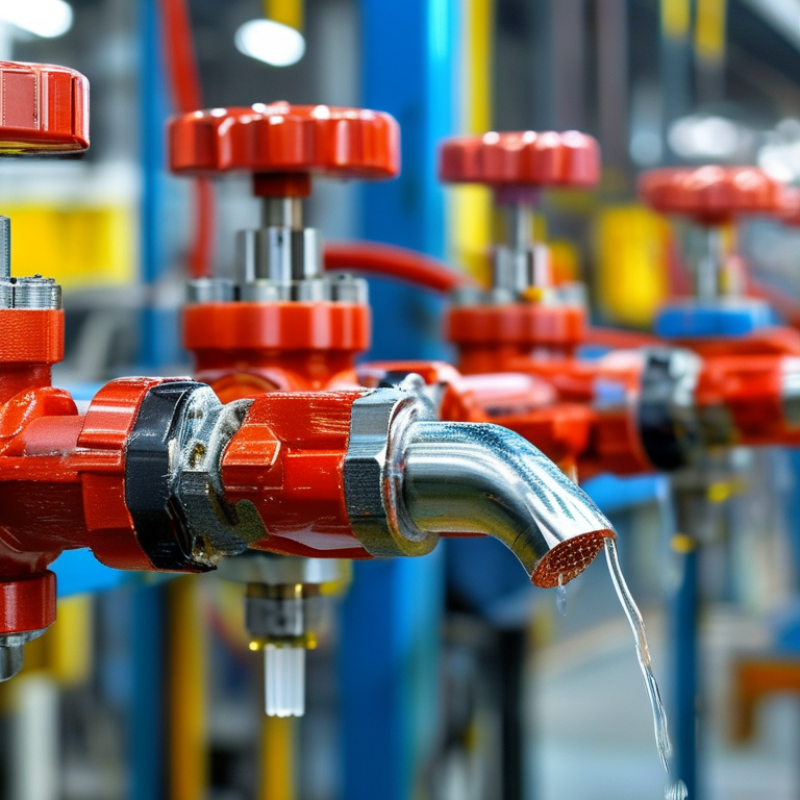
Spray valves are essential components in various industrial applications. They enable efficient fluid dispensing, making processes smoother and more reliable. Common uses of spray valves include coating, cooling, and cleaning. Each application demands specific characteristics from the valves. Understanding these requirements can enhance efficiency and outcomes.
Choosing the right spray valve involves considering factors like material compatibility and flow rates. Some materials resist corrosion better, while others ensure precise flows. Mistakes in selection can lead to inefficiencies or equipment damage. Regular maintenance and checks help in managing these issues, but they are often overlooked.
In industries, the importance of consistent performance cannot be stressed enough. Uneven spray patterns may not only waste materials but also compromise product quality. It is crucial to review the spray patterns regularly and adjust settings accordingly. Innovations in spray technology continue to emerge, presenting new avenues for improvement. However, reliance on new solutions alone may overlook simple, effective practices already in use.
Top 10 Spray Valves for Efficient Industrial Applications
| Valve Type | Application | Flow Rate (GPM) | Material | Pressure Range (PSI) | Spray Pattern |
| Air Atomizing Valve | Coating | 0.5 - 5.0 | Stainless Steel | 30 - 90 | Conical |
| Hydraulic Spray Valve | Cooling | 1.0 - 10.0 | Aluminum | 50 - 150 | Flat Fan |
| Electric Spray Valve | Cleaning | 0.3 - 8.0 | Plastic | 20 - 80 | Mist |
| Pneumatic Spray Valve | Adhesive Application | 1.5 - 6.0 | Brass | 40 - 120 | Full Cone |
| Standard Spray Valve | Painting | 0.8 - 7.0 | Stainless Steel | 30 - 100 | Hollow Cone |
| Nozzle Spray Valve | Dust Control | 2.0 - 15.0 | Polypropylene | 60 - 160 | Fine Mist |
| High-Pressure Spray Valve | Surface Treatment | 4.0 - 20.0 | Titanium | 80 - 200 | Stream |
| Atomizing Nozzle Valve | Cooling | 0.4 - 4.5 | Stainless Steel | 10 - 70 | Flat Fan |
| Precision Spray Valve | Chemical Application | 1.2 - 12.0 | Glass Fiber Reinforced | 60 - 150 | Cone |
Criteria for Selecting the Right Spray Valve
Selecting the right spray valve for industrial applications requires careful consideration. It is essential to evaluate factors like flow rate, droplet size, and spray pattern. Matching these characteristics to your specific needs will enhance efficiency and effectiveness. Efficiency directly impacts operational costs and production quality.
Here are some tips for making the right choice. First, analyze the fluid characteristics. The viscosity and chemistry of the liquid can affect spray performance. Next, consider the application environment. Temperature and pressure may influence valve operation. Also, examine the maintenance requirements of the spray valve. Easy maintenance reduces downtime and costs over time.
Additionally, test the valves before a full-scale implementation. Pilot tests can reveal inefficiencies or unsuitability for your application. Keep an open mind to experiment with alternatives. Sometimes, the initial choice may not yield the best results. Iteration often leads to improvements in the selection process.
Top 10 Spray Valves for Efficient Industrial Applications
Top 10 Spray Valves for Various Industrial Needs
Choosing the right spray valve is crucial for various industrial applications. Each application has unique requirements, and understanding these can lead to significant efficiency gains. Different industries, such as food processing, pharmaceuticals, and chemical manufacturing, have specific needs regarding fluid dynamics, spray patterns, and materials used.
When selecting a spray valve, consider the fluid's viscosity and temperature. This affects the spray pattern and coverage. A valve that performs well in one situation might not suit another. Always assess the system's compatibility. This ensures optimal performance and reduces downtime.
Testing multiple options can reveal unexpected results. Sometimes, the best solution isn’t apparent at first. Validate your choices through trials in real applications. Seek expert advice when necessary. This can save time and resources. Make decisions based on data and experience, rather than assumptions. Efficient industrial applications rely heavily on the right equipment, so take the time to reflect on the actual performance of your spray valves.
Comparative Analysis of Features and Benefits
When selecting spray valves for industrial applications, several aspects are essential. Efficiency stands out as a critical factor. It directly impacts productivity and resource consumption. Some spray valves excel in dispersion patterns, offering uniform coverage. Others focus on pressure control for optimal flow rates. Evaluating these features helps identify valves suited for specific tasks.
Durability is another crucial consideration. High-quality materials withstand harsh environments and frequent use. For instance, valves made from corrosion-resistant alloys extend service life. Maintenance requirements vary widely. Some designs are user-friendly, allowing for quick repairs or adjustments. However, others may require specialized tools, leading to downtime.
Operating conditions can influence performance. Variations in temperature, viscosity, and chemical compatibility affect efficiency. Matching the spray valve to your operational environment is essential. This can be challenging. Adjustments may be necessary after implementation. Gathering feedback from users aids in refining choices, leading to enhanced decision-making. Recognizing imperfections in products can guide future improvements.
Maintenance Tips for Optimal Spray Valve Performance
Proper maintenance of spray valves is crucial for their optimal performance in industrial settings. Regularly check the nozzles for wear and tear. Clogged nozzles can lead to uneven coverage and inefficient spraying. Clean them regularly to ensure a consistent spray pattern. Use appropriate cleaning agents that are safe for your valve material. This prevents damage and prolongs the life of the components.
Monitoring the pressure settings can also enhance efficiency. High pressure can cause excessive wear and lead to leaks. Adjust the pressure according to the manufacturer's guidelines. Also, inspect seals and gaskets frequently. Deterioration can lead to product loss and affect the quality of your application. Replacement of these parts is often overlooked but is essential for maintaining the system's integrity.
Be mindful of ambient conditions as well. Humidity and temperature can impact performance. When operating in extreme conditions, more frequent checks might be necessary. Keep a maintenance log to track any irregularities. This allows for timely interventions and avoids unexpected downtimes. Reflecting on these practices can lead to improved operational efficiency and reliability in your industry.
Future Trends in Spray Valve Technology
The landscape of spray valve technology is evolving rapidly. Future trends focus on precision, efficiency, and sustainability. As industries push for greener solutions, manufacturers are integrating eco-friendly materials into designs. Moreover, smart technology is making its way into spray valves, enabling real-time monitoring and adjustments. This ensures optimal performance and minimizes waste. Increasing automation will enhance the adaptability of these valves. They will respond to changing conditions, adjusting in real time for maximum efficiency. This shift could lead to significant cost savings for businesses. Keeping an eye on these advancements is essential. It ensures that you remain competitive and environmentally conscious. When selecting spray valves, consider the overall impact on your operations. Look for models that balance performance and sustainability. Regular maintenance checks are also vital. Over time, wear can affect efficiency. Staying proactive in monitoring can lead to better results and reduced downtime.
Case Studies of Successful Spray Valve Implementations
Efficient spray valve implementations can significantly enhance industrial processes. Various case studies reveal the potential of optimized Spray Systems in different sectors. For instance, in a food processing plant, improved spray valves helped achieve uniform coating in product lines. This change resulted in reduced wastage and consistent quality.
Another notable case involved a chemical manufacturing facility. By replacing traditional nozzles with advanced spray valves, the company minimized solvent use. This transition not only improved safety but also enhanced product output. These real-world examples illustrate the transformative impact of effective spray technology.
Crafting a successful spray valve strategy requires careful planning. Evaluate the specific needs of your operation. Identify the type of fluids and required spray patterns. Testing different configurations can yield surprising insights. Adjusting settings may reveal unforeseen efficiencies. Listening to team feedback is crucial. They often provide hands-on perspectives that can lead to thoughtful refinements. Investing time upfront can lead to significant long-term gains.
FAQS
: Spray valves are used for efficient fluid dispensing. They are common in coating, cooling, and cleaning processes.
Consider factors like material compatibility and flow rates. Each application has unique requirements that must be met.
Mistakes can lead to inefficiencies or even equipment damage. Reflect on your choices before finalizing.
Regular maintenance is crucial. Check nozzles, seals, and gaskets frequently for wear and tear.
High pressure can lead to leaks and excessive wear. Always adjust it according to guidelines provided.
Yes, humidity and temperature can impact operations. Frequent checks in extreme conditions are necessary.
Clean clogged nozzles regularly to ensure consistent spray patterns. Use safe cleaning agents for your valve material.
Test multiple options in real applications. Data and experience are essential for informed decisions.
Uneven spray patterns can waste materials and affect product quality. Regular reviews and adjustments are crucial.
Track any irregularities and maintenance activities. This helps avoid unexpected downtimes and improves efficiency.
Conclusion
Spray valves play a crucial role in various industrial applications by enabling efficient fluid delivery and precise control. This article provides a comprehensive overview of spray valves, outlining the key criteria for selecting the right valve based on the specific needs of different industries. The top 10 spray valves are examined, highlighting their unique features and benefits, which cater to diverse operational requirements.
Additionally, the article emphasizes the importance of maintenance for optimal performance and explores future trends in spray valve technology that promise to enhance efficiency further. Through case studies of successful implementations, readers gain insight into the practical applications and advantages of these innovative tools, solidifying their significance in industrial settings.