When it comes to finding better ways to mix fluids efficiently, you can't overlook how important innovative tech really is. One pretty cool advancement in this area is the Static Mixing Tube. These little devices pack a punch—they bring a bunch of benefits that seriously improve how mixing happens in all sorts of industries, like chemical processing, water treatment, and even food production. The best part? They use the natural turbulence of flowing liquids to do the job — no moving parts or complicated machinery needed. It’s kind of impressive how they do that.
Using Static Mixing Tubes not only makes the mixing super effective but also helps save energy, which is a big win for keeping costs down. Plus, their simple design makes them super easy to add into what you’re already working with, so they’re a favorite for many applications. In this article, I’ll walk you through some of the main advantages of Static Mixing Tubes—like how they can optimize fluid handling, boost product quality, and even support more sustainable practices. As industries aim for better performance and a smaller environmental footprint, knowing about these tubes and what they can do really becomes pretty important.

Benefits of Static Mixing Tubes: Understanding Efficient Fluid Dynamics
Static mixing tubes offer a unique advantage in the realm of fluid dynamics, primarily through their ability to create a homogenous mixture without the need for moving parts. These tubes utilize a series of stationary elements to induce turbulence and promote efficient mixing of different fluids as they pass through. This design minimizes the energy required for mixing, making it a cost-effective solution for various industrial applications. Additionally, the absence of mechanical components reduces maintenance needs, further enhancing operational efficiency.
Moreover, static mixing tubes are highly adaptable to different flow rates and fluid properties, allowing for a range of applications from chemical processing to food production. The predictable mixing performance of these tubes ensures consistent product quality, which is vital in industries where precision is key. By promoting effective fluid dynamics, static mixing tubes facilitate better reactions and processing times, ultimately leading to a more streamlined operation.
Mechanisms of Fluid Mixing: How Static Mixing Tubes Work Effectively
Static mixing tubes are designed to enhance the efficiency of fluid mixing through a series of fixed elements that promote turbulence within the flow. The fundamental principle behind their operation is to create a chaotic flow pattern, which is essential for achieving uniform blending of different fluids. As the fluids pass through the tube, they encounter a series of baffles that disrupt their flow, forcing them to intermix thoroughly. This process relies on laminar flow characteristics, where layers of fluid are divided and then recombined, leading to a homogeneous mixture without the need for external energy sources typically required in dynamic mixing systems.
The geometry of static mixing tubes plays a pivotal role in their effectiveness. The design often includes a series of mixing elements that vary in shape and size, optimizing the interaction between the fluids being combined. This design allows for scalability, making static mixers suitable for various applications, from small laboratory setups to large industrial processes. Moreover, the simplicity of the system contributes to lower maintenance costs, as there are no moving parts that require frequent repair or replacement. By leveraging the principles of fluid dynamics within a confined space, static mixing tubes provide a reliable and efficient solution for achieving consistent mixing outcomes across a wide range of applications.
Comparative Analysis: Static Mixers vs. Dynamic Mixers in Industry Applications
When comparing static mixers and dynamic mixers, it's essential to consider their distinct operational mechanisms and suitability for various industry applications. Static mixers, known for their simplicity, rely on fixed elements within a tube to mix fluids as they flow through. This design eliminates the need for moving parts, making static mixers maintenance-free and highly reliable. In contrast, dynamic mixers utilize mechanical components to actively blend substances, which can offer more vigorous mixing but often comes at the cost of greater wear and tear.
Static mixing tubes excel in applications where consistent and uniform mixing of fluids is critical. They are particularly beneficial in processes involving low-viscosity fluids or when the mixing is required in a continuous flow setting. Due to their low energy consumption, they create less turbulence, which is advantageous for preserving sensitive components within the mixture.
On the other hand, dynamic mixers can efficiently handle higher viscosity fluids and are better suited for batch processes requiring intense mixing.
Tip: When selecting a mixer type, evaluate the viscosity of your fluids and the required mixing intensity. Static mixers are ideal for simpler, continuous processes, while dynamic mixers shine in complex, high-shear requirements. Always conduct a pilot test to ensure optimal performance for your specific application.
Cost Efficiency: Reducing Operational Expenses with Static Mixing Tubes
Static mixing tubes offer a remarkable solution for achieving efficient fluid mixing while simultaneously lowering operational costs. The design of these tubes eliminates the need for moving parts, which not only reduces maintenance requirements but also leads to a longer lifespan compared to traditional mixing methods. By utilizing the flow of the fluid itself to create turbulence, static mixing tubes enhance mixing efficiency without consuming additional energy. This energy-saving feature can translate into significant cost reductions over time, allowing companies to allocate their resources more effectively.
In addition to energy efficiency, static mixing tubes also streamline the mixing process, resulting in less downtime during operations. As these tubes can be easily integrated into existing systems, companies can avoid costly and time-consuming retrofitting. Moreover, with their ability to maintain consistent mixing quality, businesses can reduce waste and improve product yield, further enhancing their cost-effectiveness. Overall, static mixing tubes provide an innovative approach to fluid mixing that not only boosts performance but also significantly lowers operational expenses, making them an attractive option for a variety of industries.
Performance Metrics: Measuring the Effectiveness of Fluid Mixing Solutions
The effectiveness of fluid mixing solutions can be determined through various performance metrics, which provide insights into the efficiency and quality of the mixing process. One critical metric is the mixing time, which measures how quickly different components can be blended to achieve a homogeneous mixture. In applications where rapid processing is crucial, minimizing mixing time can significantly enhance productivity. Additionally, the consistency of the resulting mixture plays a vital role; it can be evaluated through parameters like viscosity and concentration uniformity. High-quality mixing solutions will ensure that these parameters remain within desired thresholds, leading to better performance in downstream processes.
Another important aspect to consider is the energy efficiency of the mixing solution. Evaluating energy consumption relative to the volume of fluid mixed can help organizations identify solutions that optimize resource usage without compromising quality. Static mixing tubes, for instance, offer a mechanical solution that minimizes energy losses while achieving thorough mixing. Furthermore, the ease of cleaning and maintenance is also a performance metric that can impact overall operational efficiency. Solutions that facilitate quick and effective cleaning can reduce downtime and improve continuous operations, making them preferable for industries that require stringent hygiene standards.
Industry Applications: Where Static Mixing Tubes Are Most Beneficial
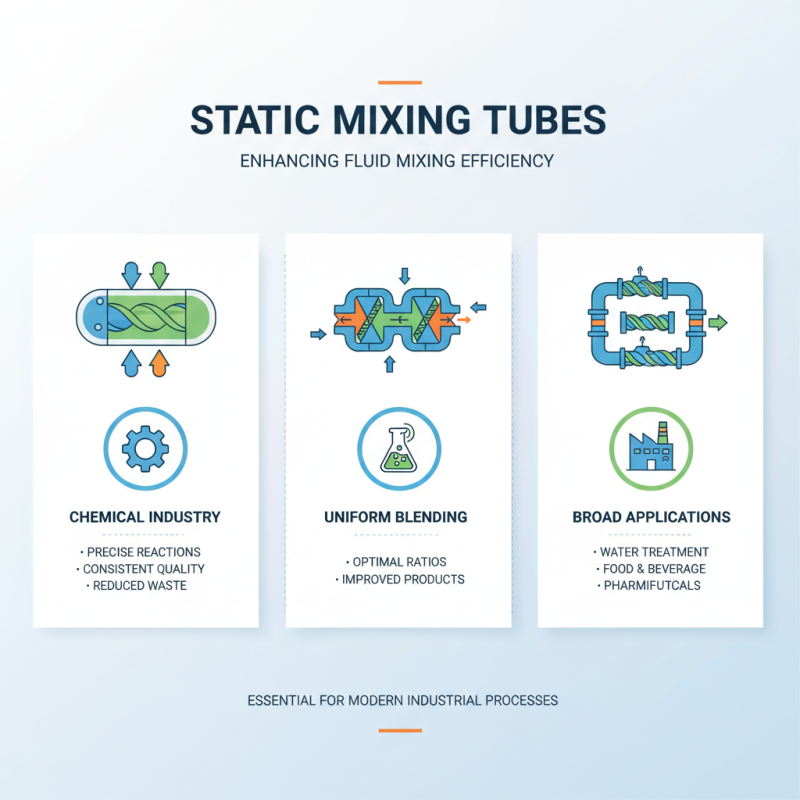
Static mixing tubes are increasingly becoming essential tools across various industries due to their ability to enhance fluid mixing efficiency. In the chemical industry, for instance, they are utilized in processes requiring precise chemical reactions. The design of static mixing tubes facilitates uniform mixing of components, resulting in more consistent product quality and reduced waste. This is particularly crucial in applications where exact ratios of chemicals need to be maintained to achieve desired reactions or end products.
In the food and beverage sector, static mixing tubes play a vital role in blending ingredients, ensuring that mixtures are homogenous before reaching the packaging stage. The tubes' ability to mix without moving parts minimizes the risk of contamination, which is paramount in food safety. Additionally, the pharmaceutical industry benefits from static mixing tubes during the preparation of solutions and suspensions where the integrity of the formulation is critical. By providing efficient and consistent mixing, these tubes help improve overall production efficiency and product safety across various applications.
Case Studies: Success Stories of Static Mixing Tubes in Real-World Scenarios
Static mixing tubes have gained traction in various industries due to their efficiency in fluid mixing and process optimization. A significant case study from the chemical processing sector highlighted the use of static mixing tubes in the production of polymers. By implementing these tubes in their mixing processes, the facility was able to enhance the uniformity of the mixture, resulting in a 20% increase in the quality of the final product while simultaneously reducing energy consumption by 15%. This efficiency not only improved production rates but also contributed to more sustainable operations, aligning with industry-wide goals to minimize energy use.
Another compelling example comes from the food and beverage industry, where static mixing tubes have been employed for blending ingredients. A dairy manufacturer reported that by incorporating static mixing technology, they achieved a seamless integration of flavors in their product lines, which led to a 30% reduction in mixing time compared to traditional methods. Additionally, this improved mixing efficiency decreased waste and promoted consistency in the final output, which is crucial for maintaining quality standards in food production. Such success stories underscore the transformative impact of static mixing tubes across diverse applications, highlighting their role in driving innovation and operational excellence in real-world scenarios.
Exploring the Market Trends and Innovations in Industrial Dispensing Static Mixing Tubes: Insights from Recent Industry Reports
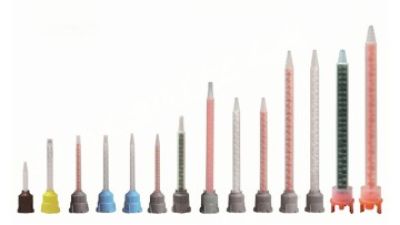
In recent years, the industrial dispensing market has seen significant advancements and innovations, particularly in the realm of static mixing tubes. The versatility of materials used in these tubes plays a crucial role in their effectiveness and suitability for various applications. Polypropylene (PP) is a popular choice due to its disposable nature and impressive chemical resistance, making it ideal for processes operating within the temperature range of 0-80°C. This affordability and convenience make PP an attractive option for industries that require single-use applications without compromising on quality.
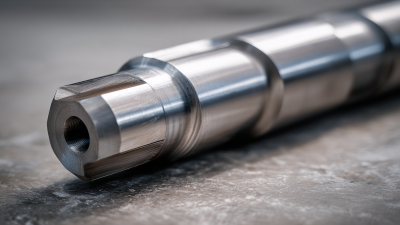
On the other hand, stainless steel tubes, particularly those made from 316L alloy, offer enhanced durability and reusability. Their capability to withstand higher temperatures, up to 250°C, along with their autoclave-safe properties, make them suitable for more demanding environments. This results in lower long-term costs and a reduced environmental footprint, as these tubes can be sterilized and reused multiple times.
Additionally, PTFE-lined static mixing tubes have emerged as a noteworthy innovation. The non-stick properties of PTFE make these tubes especially beneficial for dispensing high-viscosity materials such as silicone or urethane adhesives. Their specialized design ensures efficient mixing while minimizing residue, thus enhancing production efficiency and product quality. Collectively, these material options reflect the ongoing evolution within the industrial dispensing landscape, catering to the diverse needs of manufacturers seeking efficiency and precision in fluid mixing processes.
FAQS
: The main advantages of static mixing tubes include their ability to create a homogeneous mixture without moving parts, reduced energy requirements for mixing, lower maintenance needs, and adaptability to different flow rates and fluid properties.
Static mixing tubes use a series of stationary elements to induce turbulence and promote the efficient mixing of different fluids as they flow through the tube.
Static mixing tubes can be applied in various industries, including chemical processing and food production, where consistent product quality and efficient mixing are essential.
Important performance metrics include mixing time, consistency of the mixture (evaluated through viscosity and concentration uniformity), energy efficiency, and ease of cleaning and maintenance.
Mixing time is crucial because it measures how quickly different components can blend, which can significantly enhance productivity in applications requiring rapid processing.
Evaluating energy efficiency—specifically energy consumption relative to the volume of fluid mixed—helps organizations choose solutions that minimize resource usage while maintaining quality standards.
The ease of cleaning and maintenance influences operational efficiency; solutions that allow for quick and effective cleaning can reduce downtime and improve continuous operations.
The predictable mixing performance of static mixing tubes ensures consistent product quality, which is vital for industries that rely on precision in their processes.
Conclusion
Static Mixing Tubes offer substantial benefits in the field of fluid mixing, enhancing efficiency and effectiveness through their unique design and operation. By utilizing the principles of fluid dynamics, these tubes facilitate thorough mixing without the need for moving parts, which leads to reduced maintenance and operational costs. The mechanisms of static mixing tubes ensure a consistent blend of materials by promoting turbulence and minimizing dead zones within the flow.
A comparative analysis highlights the advantages of static mixers over dynamic mixers, particularly in various industry applications where continuous mixing is required. Case studies demonstrate their effectiveness in real-world scenarios, showcasing how businesses can achieve significant operational cost reductions and improved performance metrics. Overall, the adoption of Static Mixing Tubes stands out as a strategic choice for industries seeking reliable and cost-effective fluid mixing solutions.