In the fast-changing world of precision dispensing, picking the right Piezo-Electric Dispensing Valve really matters if you want things to run smoothly and efficiently. I came across a recent report from Grand View Research that said the global market for piezoelectric actuators might hit over $5 billion by 2027. That’s mostly because industries like pharma and electronics are really pushing demand. Industry folks like Dr. Sarah Thompson from Dispensing Innovations often point out how crucial it is to choose the correct valve. She says, 'Getting the right Piezo-Electric Dispensing Valve can make a big difference in both accuracy and efficiency during manufacturing.'
Understanding Piezo Electric Dispensing Valves and Their Applications
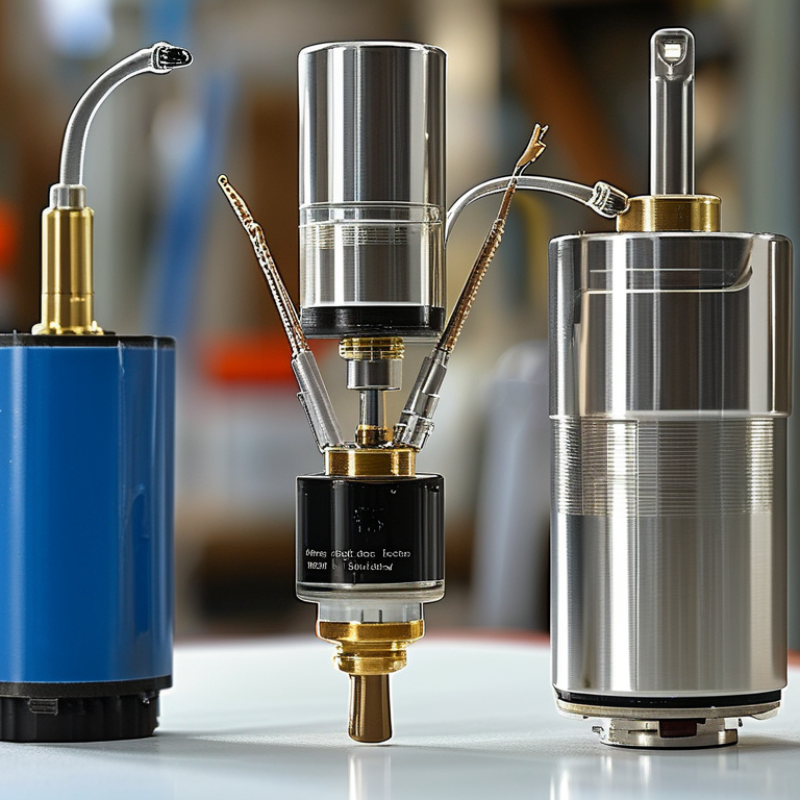
Piezo electric Dispensing Valves are crucial in many industrial applications. These valves utilize piezoelectric technology for precise fluid control. They excel in dispensing small amounts of substances, such as adhesives, coatings, and inks. The ability to control the flow with high accuracy makes them popular among manufacturers. Understanding the specifics of these valves can significantly benefit production quality.
In applications like electronics and medical devices, precise material delivery is vital. The Apj2000 Piezo Valve is known for its reliability and durability in these settings. It offers adjustable speed and volume, which enhances manufacturing efficiency. However, selecting the right valve requires an evaluation of material compatibility, pressure ratings, and flow rates. Too often, organizations overlook these details, leading to suboptimal performance.
Consideration of environmental conditions is also essential. Factors such as temperature and humidity can affect valve operation. Some might find it challenging to adapt the valves to different substances. This reflection can lead to revisions in design and usage. A thorough understanding of your specific needs can guide you in choosing the best piezoelectric dispensing valve.
Key Factors to Consider When Choosing a Piezo Electric Dispensing Valve
When selecting a piezo electric dispensing valve, consider key factors that will influence performance. The valve’s response time is crucial. Faster valves deliver more precise control of fluids, especially in high-speed applications. A valve like the Apj1500 Piezo Valve offers quick actuation, enabling tighter tolerances in dispensing tasks. Look for models designed to handle your specific viscosity and flow rate requirements.
Material compatibility should also be a priority. Ensure the valve’s construction can withstand the chemicals it will dispense. Corrosion-resistant materials are essential for longevity. Additionally, pay attention to the size and footprint of the valve. Compact designs fit better in tight spaces, while larger options may offer more robust performance under heavy conditions.
Understanding the control mechanism affects usability. Options range from simple manual controls to advanced electronic setups. Easy integration with existing systems can save time and reduce setup complexity. Users often find themselves navigating through a plethora of choices, leading to possible decision fatigue. Reflecting on real-world applications and user experiences can provide valuable insights. Always weigh the pros and cons of different models, including the Apj1500 Piezo Valve, before making a final decision.
Different Types of Piezo Electric Dispensing Valves Available in the Market
When selecting a piezo electric dispensing valve, understanding the different types available is crucial. These valves can be broadly categorized into direct drive and servo-driven models. Direct drive valves offer simplicity and tend to have a faster response time, which can be advantageous in high-speed applications. Conversely, servo-driven valves provide enhanced control and precision, ideal for intricate tasks requiring high accuracy.
Another important distinction is between normally closed and normally open valves. Normally Closed Valves stop the flow of fluid when not actuated, making them suitable for applications where leakage must be minimized. Normally open valves, on the other hand, allow fluid to flow continuously and require activation to obstruct it. This fundamental difference impacts the choice of valve based on operational needs.
When evaluating options, consider the material compatibility with your fluids. Some materials may degrade over time, affecting valve performance. Additionally, pay attention to flow rates and dispense volumes. Misalignments in these specifications can lead to inefficiencies. A thorough understanding of these aspects will guide your selection process, ensuring that you choose a valve that meets your specific requirements and enhances your production efficiency.
Types of Piezo Electric Dispensing Valves
Evaluating the Performance Requirements for Your Specific Dispensing Needs
When selecting a piezoelectric dispensing valve, performance requirements are crucial. Understanding the specific needs of your application is the first step. For instance, if you are dispensing adhesives or other viscous materials, you'd need a valve that can handle high pressures without compromising accuracy. Research indicates that precision in dispensing can reduce material waste by up to 30%, thus improving efficiency and cost-effectiveness.
Analyzing factors like the required flow rate and drop size is essential. A study by the Adhesive and Sealant Council found that a mismatch between valve capability and application needs could lead to increased downtime and defective products. Additionally, details such as temperature and viscosity of the materials used will affect valve performance. Inconsistent temperatures can lead to discrepancies in material flow, which directly impacts the quality of the final product.
Valves that offer adjustable settings may also provide more flexibility for varying production requirements. However, these adjustments can introduce complexity. It’s vital to balance features with the practicalities of your production process. The right valve should not only meet current demands but also adapt as your needs evolve. Being aware of these factors can guide you in making informed decisions while avoiding potential pitfalls in production.
How to Choose the Best Piezo Electric Dispensing Valve for Your Needs?
| Parameter | Value | Notes |
| Dispensing Volume | 0.1 - 10 ml | Flexible volume options for different applications |
| Fluid Type | Low to medium viscosity, shear-sensitive | Suitable for a variety of fluids |
| Response Time | | Quick response for high-speed applications |
| Operating Pressure | 0 - 80 psi | Versatile pressure settings for various tasks |
| Temperature Range | 0°C to 70°C | Ability to handle different environmental conditions |
| Nozzle Types | Various sizes (0.3 mm - 1.5 mm) | Provides choice for different bead widths |
| Electrical Interface | Digital/Analog Control | Compatible with most systems |
Assessing Compatibility with Your Fluid Types and Viscosity Levels
Choosing the right piezoelectric dispensing valve requires a thorough understanding of fluid compatibility. The viscosity of your fluids plays a crucial role in this decision. According to industry reports, fluids with higher viscosity require valves that can generate sufficient force for accurate dispensing. This means not all valves can handle every fluid type. For example, a valve designed for low-viscosity liquids like water may struggle with thicker oils or adhesives.
When assessing compatibility, consider the shear sensitivity of your materials. Sensitive fluids may degrade if subjected to excessive shear. In a study by the Fluid Dynamics Association, approximately 25% of manufacturing defects are related to improper fluid and valve pairing. This statistic emphasizes the importance of testing fluid dynamics in real-world scenarios.
Moreover, it is essential to think about the downstream applications of your dispensed materials. Different applications may impose unique requirements on fluid delivery. Variations in temperature and pressure can also affect viscosity and flow characteristics. Use trial and error to gather practical data, as theoretical assessments may fall short in real applications. Understanding these factors is vital for ensuring reliable performance and achieving desired results in your dispensing process.
Cost Analysis: Budgeting for Your Piezo Electric Dispensing Valve
When budgeting for a piezo electric dispensing valve, consider the total cost of ownership. The initial purchase price is just one part of the equation. Maintenance, operational efficiency, and even energy consumption can impact your long-term expenses. For instance, a high-quality valve like the Apj3000 Piezo Valve might have a higher upfront cost but could save money through lower maintenance needs.
Understanding the role of application-specific features is essential. Some valves offer specialized capabilities that justify a higher investment. It’s crucial to assess your production requirements. Sometimes, a less expensive option can lead to increased costs later because of inefficiencies. In this way, analysis of both performance and costs plays a key role in your decision-making.
Tips for effective budgeting include setting a clear budget tier. This ensures you look at all options within a defined range. Factor in potential cost savings from energy-efficient models. Evaluate the return on investment over time. The Apj3000 Piezo Valve, while possibly pricier, can deliver higher accuracy in dispensing. This can ultimately reduce waste and improve product quality. Thoughtful spending will pay off, but reflection on your choices is necessary for optimal results.
Maintenance and Support Considerations for Long-Term Use
When selecting a piezoelectric dispensing valve, maintenance and support are crucial considerations. Regular upkeep can dramatically extend the life of the valve. According to industry reports, neglected valves can experience a failure rate of up to 30% within the first year of use. This highlights the importance of routine inspections and timely servicing. Simple checks, such as ensuring proper calibration and cleaning, can prevent costly downtime.
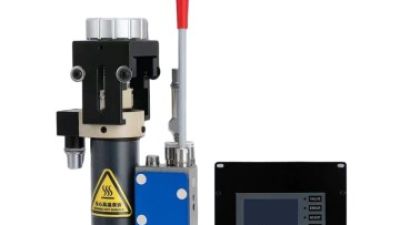
Additionally, manufacturers often provide their clients with a Piezo Valve Controller to streamline operations. However, the effectiveness of this controller relies on user understanding and proper implementation. Many users struggle with settings, leading to suboptimal performance. Continuous training and support from experts can enhance user capabilities. Data shows that organizations with regular training programs see a 40% reduction in user errors.
Investing in long-term support structures is wise. As systems evolve, keeping pace with technological advancements is vital. Regular updates and maintenance can adapt piezoelectric systems to new requirements. This ongoing commitment can transform potential frustrations into smooth operations. Reliable support systems ensure your piezoelectric valves function at peak performance for years to come.
Market Analysis and Application Trends of 1800S Piezo-electric Valves in UV Adhesive Dispensing Systems
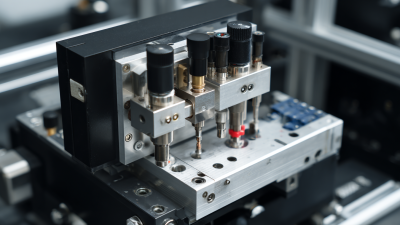
The market analysis of 1800S piezo-electric valves in UV adhesive dispensing systems highlights significant trends driving the adoption of these advanced components in industrial applications. With their compact size of 116 mm in length, 72 mm in width, and 32 mm in height, these valves are designed to optimize space while offering impressive performance characteristics. Weighing just 580 grams for the valve body without the cartridge heater, they are easy to integrate into various dispensing setups, making them a preferred choice in industries that utilize UV adhesives.
The versatility of 1800S piezo-electric valves is evident in their capability to handle a wide range of liquid viscosities, from 0 to 500,000 cps, which is essential for applications requiring precise material flow control. These valves can operate at a maximum frequency of 1200 Hz, enabling rapid and accurate dispensing, essential in high-speed production environments. Moreover, the capability to achieve a minimum single point diameter of just 0.2 mm allows for detailed and intricate applications, ensuring that even the most demanding tasks can be completed with precision.
In addition, the operational temperature range extends up to 150°C, which provides the flexibility needed for various applications that require heating of adhesives before dispensing. This feature is crucial for optimizing the curing process of UV adhesives, contributing to improved adhesion quality and efficiency. As manufacturers continue to seek innovative solutions to enhance production efficiency and performance, the adoption of 1800S piezo-electric valves is poised to expand, reflecting a broader trend towards automation and precision in adhesive dispensing technologies.
FAQS
: Response time greatly affects fluid control. Faster valves allow for more precise dispensing in high-speed tasks.
Choose valves made from corrosion-resistant materials. This ensures they withstand the chemicals used in your application.
Compact valves fit into tight spaces. Larger valves may perform better under heavy conditions. Consider your specific needs.
Control mechanisms range from manual to advanced electronic options. Easier integration can save time and reduce complexity.
Knowing your application’s needs helps in choosing the right valve. This reduces waste and improves efficiency.
Adjustable settings provide flexibility for different production requirements. However, they can also complicate the process.
Key factors include flow rate, drop size, temperature, and viscosity of materials to ensure proper valve performance.
Mismatches can lead to downtime and defective products. It's vital to assess needs carefully to avoid this.
Reflect on real-world applications and user experiences. This can help in understanding potential limitations and advantages.
Take time to weigh the pros and cons of different models. Reflecting on experiences might help clarify your decision.
Conclusion
When choosing the best Piezo-Electric Dispensing Valve for your needs, it's essential to understand their applications and how they operate. Key factors to consider include the type of fluid you will be dispensing, the required viscosity levels, and the specific performance criteria needed for optimal operation. Various types of Piezo-Electric Dispensing Valves are available in the market, each tailored for different applications and fluid types.
Additionally, evaluating compatibility with your specific fluids is crucial, as it can affect performance significantly. A thorough cost analysis, including budgeting for purchase and maintenance, ensures long-term use is sustainable. Lastly, ongoing maintenance and support play a vital role in keeping the Piezo-Electric Dispensing Valve operating efficiently over time, thereby maximizing its utility in various applications.