
Leave Your Message
- Phone
- E-mail
- Whatsapp

- Whatsapp

You know, the way automation tech has been moving forward really kicks industries into a new gear. One of the coolest things happening right now is the rise of precise fluid control systems. Take the Piezoelectric Jet Valve, for example — it’s pretty much a game-changer, allowing really fast, accurate fluid dispensing in all sorts of fields like electronics and pharma. I read somewhere that the global market for piezoelectric actuators is expected to grow around 7.5% each year from 2021 to 2026. That just shows how much folks are craving innovative stuff like these valves. Since launching back in 2013, Shenzhen Anyco Automation Equipment Co., Ltd. has been right there at the forefront of this stuff, focusing on R&D to keep up with the ever-changing needs of modern industries. In this blog, I want to dive into how Piezoelectric Jet Valves work and the many ways they're being used — honestly, they’re really boosting efficiency and precision across the board, and it's pretty exciting to see how they’re shaping the future of automation.
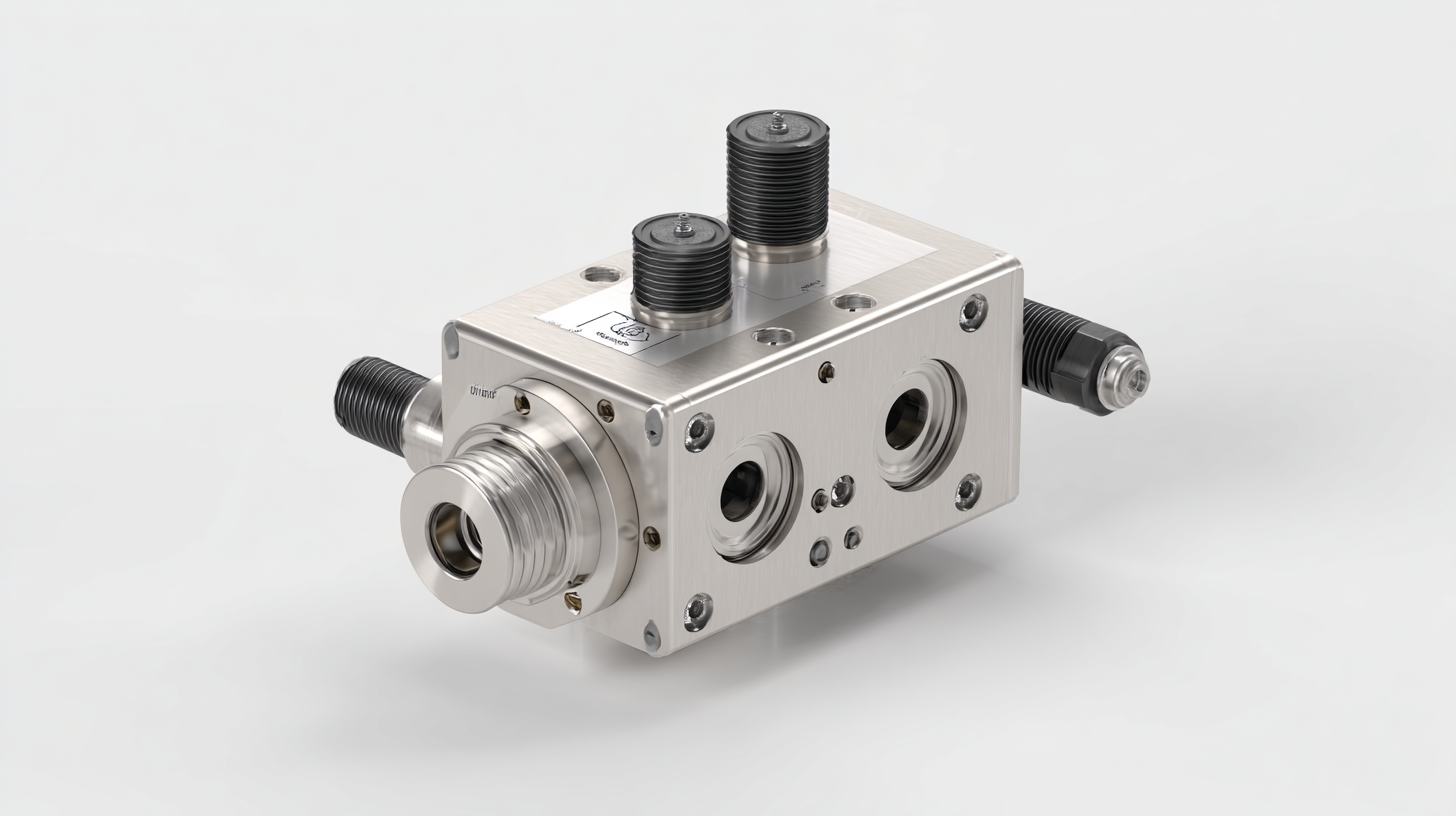
Piezoelectric jet valves are pretty fascinating gadgets that use the principles of piezoelectricity to control fluids with really precise timing. Basically, these valves have special materials inside them that produce an electric charge when you squeeze or bend them a little—that’s the piezoelectric effect. Thanks to that, they can turn electrical signals into super quick and accurate movements. This makes them perfect for situations where you need tight control over gases or liquids. When you send a voltage through, the piezo material slightly deforms, pushing a tiny piston that opens the valve. As a result, fluid or gas flows out rapidly—that’s why they’re so efficient for things like dispensing tiny amounts, atomization, or other industrial processes.
One really cool thing about these valves is that they can work at high speeds without taking up much space. That’s a huge plus in industries like electronics, automotive, and medical tech, where speed and precision are king. For example, in inkjet printers, piezoelectric jet valves help deliver really tiny ink drops, letting you produce sharp images and detailed patterns. Plus, they’re pretty reliable and don’t need a lot of maintenance, which makes them a favorite for automated production lines. As industries keep pushing for better, more accurate fluid control solutions, these piezoelectric valves are only getting more important, changing the game in a bunch of different fields and boosting overall efficiency.
: Piezoelectric jet valves are devices that use piezoelectricity principles to control fluid dynamics with precision, generating an electric charge when subjected to mechanical stress.
They work by applying an electric voltage to piezoelectric materials, causing them to deform and move a small piston that opens the valve, resulting in a quick release of fluid or gas.
Their advantages include high-frequency operation, compact design, precision, speed, reliability, and minimal maintenance requirements, making them ideal for various industrial applications.
They are commonly used in inkjet printing for precise ink delivery, as well as in industries like electronics manufacturing, automotive, and medical devices.
Maintenance is crucial for optimizing performance, as regular checks for clogs and malfunctions can prevent output loss and product contamination.
Tips include incorporating periodic maintenance checks, monitoring for clogs, and ensuring the valves are functioning correctly to extend their lifespan.
Upgrading to the latest enhancements can improve process control, performance, and provide real-time diagnostics for proactive adjustments, minimizing downtime.
Properly maintained piezoelectric jet valves can significantly enhance operational efficiency and improve product quality in various industrial processes.
Their compact design enables high-frequency operation, which is beneficial in applications requiring precise and rapid control of fluid or gas flow.
They are favored for automation due to their reliability, efficiency, and reduced need for maintenance, which enhances productivity.
Lately, piezoelectric jet valves have really become a key player in automated fluid control systems. You’ll notice how important they’ve become across a bunch of modern industries. These clever valves work using piezoelectric materials, which allow for super precise control of fluid flow. That makes them perfect for fields like pharma, electronics, and even automotive stuff. What’s really cool about Piezoelectric Jet Valves is that they respond quickly, use less energy, and deliver better accuracy—all of which help keep production running smoothly and efficiently.
Getting these valves up and running isn’t too complicated, but it’s important to understand how they work and what each industry actually needs. And of course, regular maintenance is a must if you want them to perform at their best and last a long time. Here at Shenzhen Anyco Automation Equipment Co., Ltd., we’re proud to be a high-tech company leading the way in this tech. We offer solid solutions that help improve fluid control for all kinds of applications, making manufacturing more efficient and driving innovation forward.


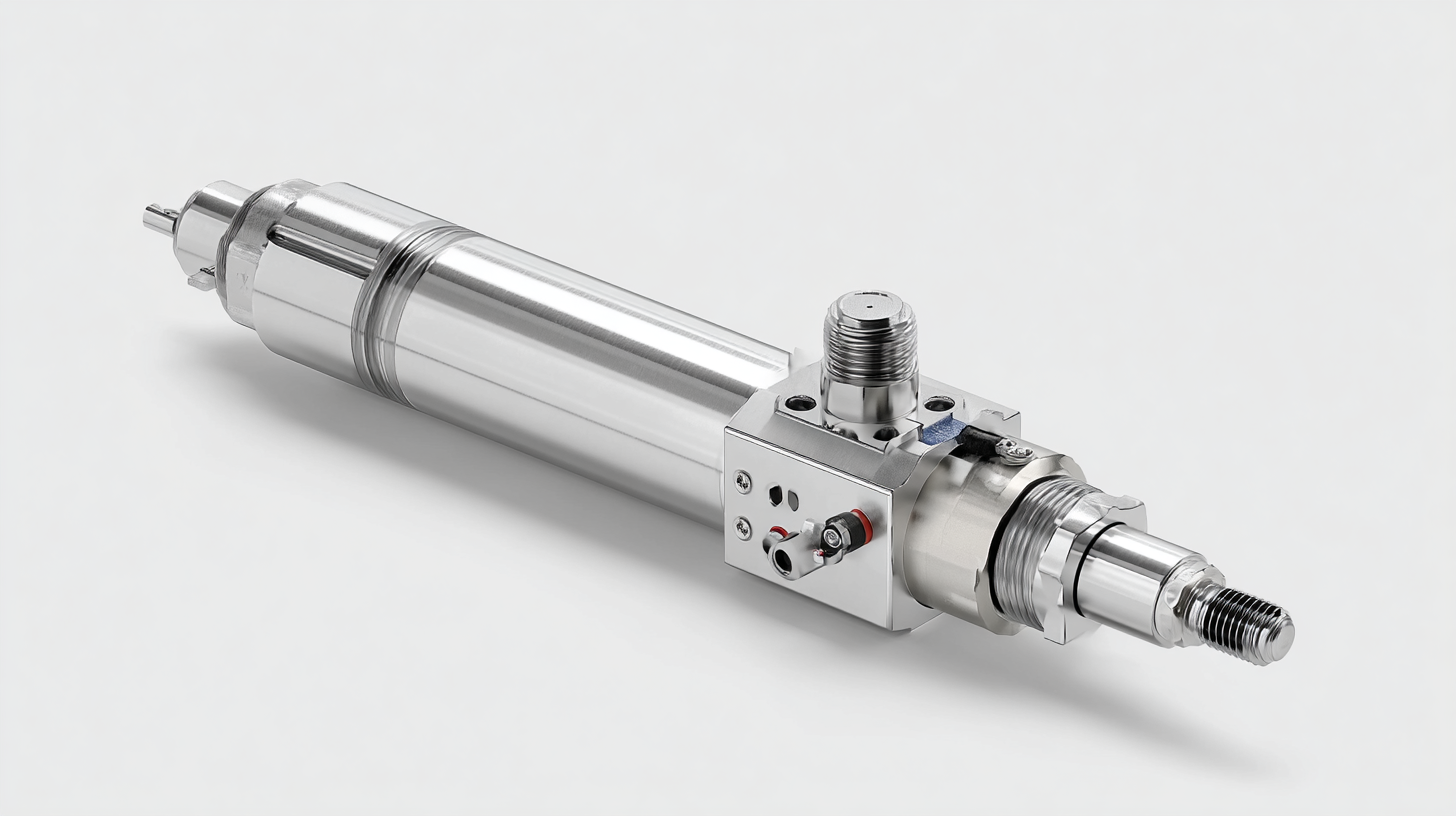
 Taking good care of piezoelectric jet valves is pretty important if you want them to perform well across different industrial projects. Since they're key players in controlling fluids, keeping them in top shape can really make a difference in how smoothly operations run and the quality of the final product. It’s a good idea to regularly check for clogs and make sure everything’s functioning correctly — because if a valve goes haywire, you could lose output or even risk contaminating what you're working on. Doing routine maintenance checks can help nip these problems in the bud and also help the valves last longer.