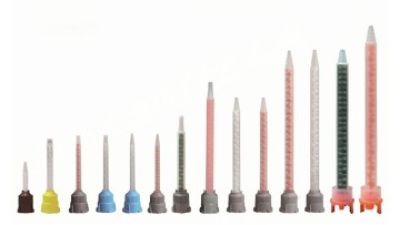
Picking the right Inline Mixing Tube can actually make a big difference in how smoothly your production runs. These inline mixers pop up in tons of industries — from food and drinks to pharma and chemicals. If you’ve read any reports lately, like the one from MarketsandMarkets, they’re saying the market for mixing equipment could hit over $10 billion by 2025, mostly because everyone’s chasing after more efficient mixers.
Figuring out which Inline Mixing Tube to go with really depends on what you actually need it for. Things like how viscous your materials are, the flow rates involved, and what materials are compatible come into play big time. Messing this up — like choosing a mixer that doesn’t match your needs — can lead to poor mixing and spike your costs in the long run. Companies like SPX FLOW often highlight these issues and stress that expert advice is key to picking the right gear.
When you look at all the options out there, it’s pretty clear— not all Inline Mixing Tubes are the same. Some might boast high efficiency on paper but then underperform in real-life situations. That’s why it’s a good idea to look beyond just the specs and see what actual users are saying about their experiences. Doing a bit of homework this way can make sure you pick a solution that really fits your specific setup and helps you get the best bang for your buck.
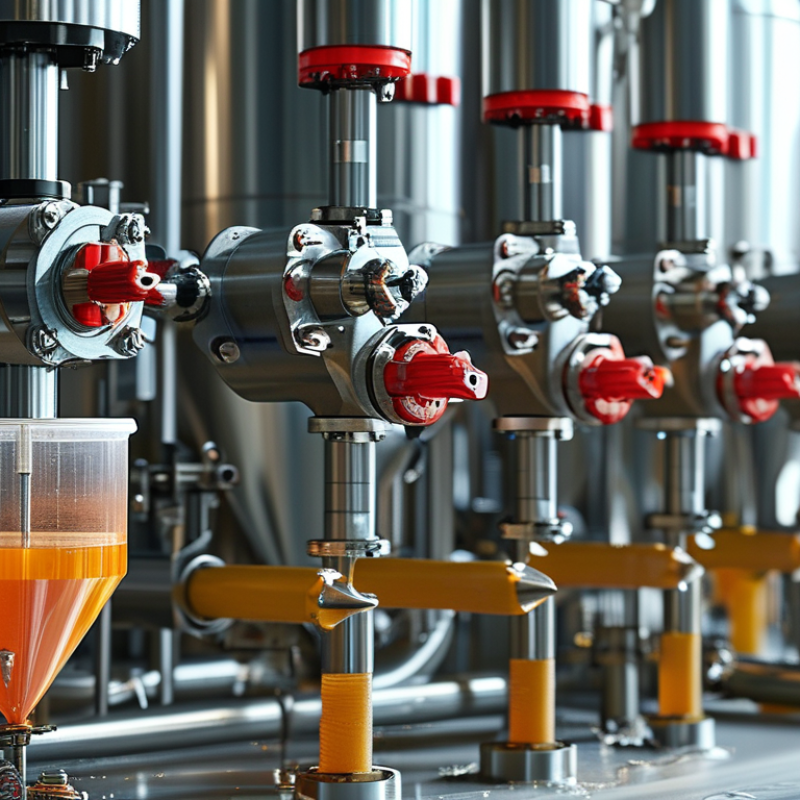
Understanding Inline Mixing Tubes: Definition and Purpose
Inline mixing tubes are essential tools in various industries, including pharmaceuticals and food production. These tubes combine multiple fluids into a homogenous mixture. Understanding their function can help you select the right type for your needs.
An inline mixing tube works by directing fluids through a specifically designed channel. As fluids flow, they mix due to turbulence and shear forces. This process ensures consistency in the final product. Opting for a high-quality Epoxy Mixing Tube can enhance efficiency, particularly in complex mixing processes.
However, not every project requires the same type of tube. Factors such as viscosity, flow rate, and the chemicals involved must be carefully considered. It’s common to overlook these aspects, leading to suboptimal mixing results. Evaluating each variable can prevent costly mistakes. Many users learn the hard way that inadequate mixing impacts product quality and production efficiency. Consider your requirements thoroughly before making a selection.
Types of Inline Mixing Tubes and Their Applications
When selecting an inline mixing tube, it’s essential to understand the various types and their applications. One common type is the Static Mixing Tube, which utilizes a series of fixed elements to achieve uniform blending without moving parts. This design ensures lower maintenance costs and improves reliability in continuous processes. Industries such as food and beverage, pharmaceuticals, and chemical manufacturing often leverage these tubes. According to market research, the global static mixing systems market is projected to reach over $1.5 billion by 2025, highlighting their growing importance.
Another type of inline mixing tube is the dynamic mixing tube, which employs mechanical stirring or pumping mechanisms. While these tubes can offer rapid mixing, they often require more maintenance. The dynamic option is prevalent in applications needing high shear mixing, like emulsifying oils in creams or producing adhesives. Reports indicate that around 60% of manufacturers prefer Static Mixing Tubes for their longevity and efficiency. However, not every application suits static options perfectly, and some users encounter challenges with achieving the desired blend in complex formulations.
Choosing the right inline mixing tube requires a careful evaluation of specific application needs. Each tube type has its pros and cons. Understanding your process requirements is critical. Investing time in this evaluation can lead to significant improvements in production efficiency and product quality. It remains crucial to continually assess the mixing solution for potential enhancements.
Types of Inline Mixing Tubes and Their Applications
Factors to Consider When Choosing an Inline Mixing Tube
When selecting the right inline mixing tube, several factors come into play. The size and capacity of the tube are important. Consider the flow rate required for your application. A tube that is too large may slow down your process. Conversely, a too-small tube can cause blockages and inefficiencies. It's crucial to match the tube's dimensions to your specific needs.
The material of the inline mixing tube also matters. Different materials can handle varying temperatures and chemical compositions. This can affect durability and performance. Make sure the material is compatible with the substances you plan to mix. Testing different materials may help determine the best fit for your process.
Tips: Pay attention to the installation requirements. Some tubes may need special mounting or alignment. This can complicate setup and maintenance. Regularly check the mixing efficiency as well. It's essential to ensure optimum performance over time. If you notice inconsistencies, it might be time to reassess your inline mixing tube choice. Evaluating your needs periodically can lead to better outcomes.
Material Selection for Inline Mixing Tubes: A Key Consideration
Material selection is crucial when choosing inline mixing tubes. Different applications require different materials, depending on temperature, pressure, and chemical compatibility. For instance, stainless steel is often ideal for high-pressure applications. However, it can be too rigid for some processes. In contrast, plastics might be suitable for lower pressure but lack durability under extreme conditions.
Precision Glue Mixing Nozzles serve as a great example of how material affects performance. If the wrong material is chosen, it could result in breakdown or contamination. This could compromise the quality of the mixed product. Users often overlook this detail, leading to significant production losses. It's essential to evaluate the durability, chemical resistance, and ease of cleaning for the selected material.
Moreover, the assembly and maintenance of the inline mixing tube matter as well. Some materials can be harder to clean, increasing downtime. While a more expensive material may seem unappealing upfront, it may save costs in maintenance and longevity. Reflecting on these aspects can lead to better outcomes in production processes.
How to Choose the Right Inline Mixing Tube for Your Needs?
| Material | Applications | Temperature Resistance (°C) | Chemical Resistance | Cost (per meter) |
| Stainless Steel | Food Processing, Chemical Production | -40 to 600 | Good | $50 |
| PVC | Water Treatment, Non-Acidic Chemical Applications | -10 to 60 | Fair | $30 |
| Polypropylene | Chemical Processing, Bulk Material Handling | -20 to 80 | Good | $25 |
| Teflon | High-temperature and Chemical applications | -200 to 260 | Excellent | $100 |
| Carbon Steel | General Industrial Use, Oil & Gas | -30 to 400 | Fair | $40 |
Sizing and Flow Rate: Finding the Right Match
Choosing the right inline mixing tube is crucial for operational efficiency. Sizing and flow rate directly impact performance. The dimensions of your mixing tube must match your system’s flow rate. According to the North American Mixing Technology Association, proper sizing can enhance mixing efficiency by over 30%.
Flow rate influences how well materials blend. A tube that is too large can lead to inadequate mixing, while one that is too small may cause blockages. For optimal performance, calculate your required flow rate. You can often achieve the best results with a flow rate between 1 and 5 gallons per minute per inch of diameter.
When selecting a mixing tube, consider the viscosity of the materials involved. Higher viscosity fluids need slower flow rates for proper mixing. Ignoring this can lead to inconsistent product quality. Assess your process regularly. Monitor how changes in flow rates affect output. Review your mixing solutions periodically to ensure they still meet your operational needs.
Maintenance and Lifespan of Inline Mixing Tubes
The maintenance and lifespan of inline mixing tubes are crucial for optimal performance. Studies indicate that improper maintenance can reduce a mixing tube's efficiency by up to 30%. Regular inspections should be conducted to identify wear and tear. Look for signs of corrosion or blockage, which can significantly impact fluid dynamics.
Cleaning is a significant factor in extending the lifespan of inline mixing tubes. Depending on the application, residue buildup can occur quickly. A routine cleaning schedule can prevent sedimentation, ensuring consistent operation. An Efficient cleaning process should not disrupt production. Some facilities report a 20% increase in lifespan when effective cleaning protocols are implemented.
Replacement planning is also essential. Many manufacturers suggest replacing mixing tubes every five years on average. However, some tubes may fail earlier due to overheating or excessive pressure. Regular data analysis helps in predicting potential failures based on historical performance. Institutions investing in preventive measures often regret delaying such actions. Past experiences show that proactive maintenance minimizes downtime and enhances operational efficiency.
Evaluating Performance: Testing and Feedback Methods
When selecting an inline mixing tube, evaluating performance is crucial. Testing methods can vary significantly based on the application and materials involved. Common techniques include flow rate measurement and viscosity testing. These methods help gauge how efficiently the mixing tube performs under different conditions.
Gathering feedback from users is equally important. Real-world experience can reveal potential shortcomings not evident during initial testing. Many find that certain designs may not meet their specific needs. Listening to user insights can lead to better decisions. It might highlight issues like wear resistance or temperature tolerance that are often overlooked.
Documentation of testing outcomes is essential. Reliable data helps in comparing various mixing tube options. However, sometimes, data collection can be inconsistent. Designed experiments may not reflect practical situations accurately. Continuous reflection on the testing process can lead to improvements in future assessments and enhance the selection process. Balancing objective measurements with user feedback creates a more comprehensive view of the inline mixing tube's performance.
Choosing the Right Industrial Dispensing Static Mixing Tube for Optimal Performance and Efficiency
When selecting the right industrial dispensing static mixing tube, understanding the material options available can greatly influence both performance and efficiency. Each material comes with unique characteristics tailored to specific applications. For instance, polypropylene (PP) is a popular choice for disposable applications due to its chemical resistance and ability to perform under moderate temperatures (0-80°C). This makes it ideal for short-run projects where cleanliness and cost-effectiveness are paramount.
On the other hand, stainless steel 316L offers a robust and reusable solution, capable of withstanding high temperatures up to 250°C. This autoclave-safe option is perfect for environments that require rigorous sterilization processes and durability, making it suitable for industries such as pharmaceuticals and food processing. Moreover, PTFE-lined tubes provide a non-stick surface ideal for handling silicone and urethane adhesives, reducing the risk of material wastage and ensuring a smoother dispensing experience. Each of these materials brings distinct advantages, enhancing the overall effectiveness of static mixing solutions across various industrial applications.
FAQS
: Inline mixing tubes blend multiple fluids into a homogenous mixture, improving consistency in various industries.
They direct fluids through a channel where turbulence and shear forces mix them effectively.
Consider viscosity, flow rate, and the chemicals involved. These factors can impact mixing efficiency.
A static mixing tube uses fixed elements for blending without moving parts, leading to lower maintenance costs.
Choose a dynamic tube for high shear mixing needs, like emulsifying. They generally require more maintenance.
Many prefer static tubes for their longevity and efficiency in continuous processes.
Yes, inadequate mixing can significantly impact the quality and efficiency of the final product.
Regularly assess your mixing solution based on application needs. Improvements can enhance production efficiency.
Static mixing tubes are frequently used in food, beverage, pharmaceutical, and chemical industries.
No, not every type of tube is suitable. Evaluate your needs to choose the best option for your application.
Conclusion
Choosing the right Inline Mixing Tube is essential for achieving optimal mixing and processing in various applications. Inline mixing tubes are designed to blend fluids efficiently, and understanding their definition and purpose is the first step in the selection process. There are several types of inline mixing tubes available, each suited for specific applications, which makes it crucial to consider factors such as material selection, sizing, and flow rate.
When selecting an inline mixing tube, one must also evaluate its maintenance and lifespan to ensure long-term performance. Conducting thorough testing and gathering feedback are important methods for assessing the effectiveness of the chosen mixing tube. By carefully considering these aspects, one can successfully choose the right inline mixing tube that meets their operational needs.