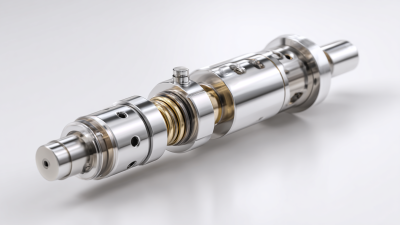
As the world keeps pushing for more automation, it’s no surprise that the Solenoid Valve market is booming. These tiny but mighty components are everywhere—key players in lots of industries—helping control fluid flow with impressive precision and efficiency. Come 2026, buyers are going to be spoiled for choice, which can make picking the right one a bit overwhelming. Every manufacturer throws in their own set of features and specs, so figuring out what's best isn’t always straightforward.
Trusted names like Parker, ASCO, and SMC are known for their quality products, but not every valve from these brands will be perfect for your specific needs. Some might not hold up well over time or might not be compatible with your system. So, it’s really important to think about what your setup actually needs. Getting a reliable Solenoid Valve isn’t just about ticking a box—it really can make a difference in how smoothly your operations run.
Experts also point out that choosing the right valve means understanding some of the technical details—stuff like how it’s designed, what materials are used, and the conditions it’ll face in operation. Ignoring these little details could lead to failure down the line. So, doing your homework before making a purchase is super crucial to making sure you get the most bang for your buck. In the end, future buyers should be prepared to dig through this pretty complex marketplace, but if they do their research, they’ll be well on their way to making the right choice.

Overview of Solenoid Valves and Their Applications in 2026
Solenoid valves play a crucial role in various industries. In 2026, they are expected to remain vital for automation and fluid control processes. These valves use electromagnetic coils to control the flow of liquids or gases. Their applications range from manufacturing to automotive systems, and even to household appliances.
The versatility of solenoid valves is impressive. They can operate in diverse conditions, from high-pressure environments to low-temperature settings. However, users often overlook the challenges that come with this technology. Some valves may fail due to improper installation or incorrect specifications. Regular maintenance is essential to ensure reliability.
In 2026, the demand for efficient solenoid valves continues to grow. However, buyers must navigate a market filled with options. It’s vital to consider the specific needs of each application. Understanding the environment and fluid characteristics can prevent future issues. Making informed choices is key to optimizing performance and longevity.
Key Factors Influencing the Selection of Solenoid Valves
Choosing the right solenoid valve involves understanding several critical factors. The material of the valve is essential. Corrosion resistance is needed in harsh environments. Size and fitting type must match your system requirements.
Fluid compatibility directly impacts performance. Ensure the valve can handle the specific fluids. A mismatched valve can lead to failures or leaks. Pressure ratings are also crucial; they should exceed system requirements to ensure safe operation.
Tips: When considering an Nc Solenoid Valve, check the manufacturer’s specifications thoroughly. Look for certifications that guarantee quality and safety.
Another aspect is the actuator type. Electromagnetic and pneumatic options exist, each with distinct advantages. Think about energy consumption too. A more efficient valve saves costs in the long run.
Tips: Regular maintenance is vital for reliability. Establishing a routine can help identify wear or performance issues early. Choosing wisely today can avoid problems tomorrow.
Top 10 Solenoid Valve Manufacturers to Consider Globally
As we approach 2026, the demand for high-quality solenoid valves continues to grow. This essential component is critical across various industries, including automotive, manufacturing, and HVAC. According to a recent market analysis, the global solenoid valve market is projected to reach 5 billion dollars by 2026, indicating a significant opportunity for buyers. However, selecting the right manufacturers is vital for maintaining performance and reliability.
Top manufacturers in this sector consistently demonstrate their expertise through innovation and quality control. Many of them invest heavily in research and development, ensuring that their product lines meet the latest regulatory standards and customer needs. Data from industry reports indicate that approximately 60% of solenoid valve failures are related to poor quality design or manufacturing processes. This highlights the importance of working with reputable manufacturers that prioritize quality and reliability.
While there are many options available, not all manufacturers offer the same level of support or expertise. It’s essential for buyers to conduct thorough research, perhaps seeking feedback from previous customers or industry peers. Understanding each manufacturer’s production capacities, customer service, and after-sales support can significantly impact a project’s success. Buyers must reflect on their choices and ensure they partner with manufacturers that align with their operational requirements.
Top 10 Solenoid Valve Choices for Global Buyers in 2026
Comparative Analysis of Solenoid Valve Types and Features
When selecting solenoid valves, buyers must understand the differences among various types. Each type serves unique applications, impacting efficiency and reliability. For instance, Ac Solenoid Valves are popular in industries where high-frequency operations are required. Their design allows rapid switching, making them ideal for automation systems.
Material choices also influence performance. Brass options are durable and resist corrosion, while plastic variants provide lightweight solutions. Aluminum offers a balance between strength and weight. Decisions on body material affect not only function but also the lifespan of the valve. Different sealing materials can lead to varying degrees of leakage, which is crucial for system integrity.
Buyers should weigh features such as voltage compatibility and response time. The right specifications ensure that a solenoid valve performs efficiently in its environment. Temperature ratings must align with operational conditions. However, overlooking these technical details could lead to failures. It’s essential to assess not just the immediate needs but also potential future demands.
Emerging Technologies Impacting Solenoid Valve Design and Efficiency
Emerging technologies are transforming the solenoid valve market in surprising ways. Advances in materials science are leading to lighter, more durable designs. For instance, improved plastics are reducing overall costs while maintaining performance. This shift benefits industries aiming for efficient operations.
Automation is another key factor. Smart Solenoid Valves equipped with sensors allow for real-time monitoring. These innovations enhance operational efficiency and reduce downtime. Buyers are now prioritizing these features, seeking valves that adapt dynamically to system demands. The Ypc Solenoid Valve exemplifies how smart functionality can integrate with traditional designs.
Sustainability is also influencing valve design. Manufacturers are exploring eco-friendly materials, aiming for reduced environmental impact. However, challenges remain in balancing performance with sustainability. Many manufacturers still question how far they can push this envelope without sacrificing quality. The path forward may not be straightforward, but the quest for innovative solutions continues to drive the industry.
Market Trends and Forecast for Solenoid Valves in 2026
The solenoid valve market is evolving rapidly. According to a report by MarketsandMarkets, the global solenoid valve market is expected to reach $6.5 billion by 2026. This represents a significant growth rate. Demand is driven by industries such as oil and gas, water management, and automotive.
Technological advancements are shaping market trends. Manufacturers are focusing on developing energy-efficient models. This aligns with the global push for sustainability. Many industries are adopting smarter automation technologies. These new solutions often involve remote monitoring. As a result, solenoid valves are becoming integral to these systems.
However, some challenges exist. The supply chain can be unpredictable, affecting availability. Also, not all solenoid valve technologies are user-friendly. Organizations must train staff properly for effective operation. Market dynamics will continue to change, requiring adaptation and innovation from all players involved.
Top 10 Solenoid Valve Choices for Global Buyers in 2026
| Rank | Valve Type | Size (inches) | Media Type | Operating Voltage (V) | Estimated Price Range (USD) |
| 1 | Direct-Acting | 1/4" | Water | 12 | $25 - $40 |
| 2 | Pilot-Operated | 1/2" | Gas | 24 | $30 - $50 |
| 3 | Bistable | 3/4" | Oil | 48 | $45 - $70 |
| 4 | 2-Way | 1" | Air | 12 | $40 - $60 |
| 5 | 3-Way | 1/2" | Steam | 24 | $50 - $80 |
| 6 | Namur Solenoid | 3/4" | Water | 12 | $60 - $90 |
| 7 | Integrated | 1" | Oil | 48 | $70 - $100 |
| 8 | Low-Pressure | 1/2" | Air | 12 | $20 - $35 |
| 9 | High-Flow | 2" | Gas | 24 | $80 - $120 |
| 10 | Universal | 1" | Steam | 12 | $90 - $130 |
Guidelines for Maintenance and Troubleshooting of Solenoid Valves
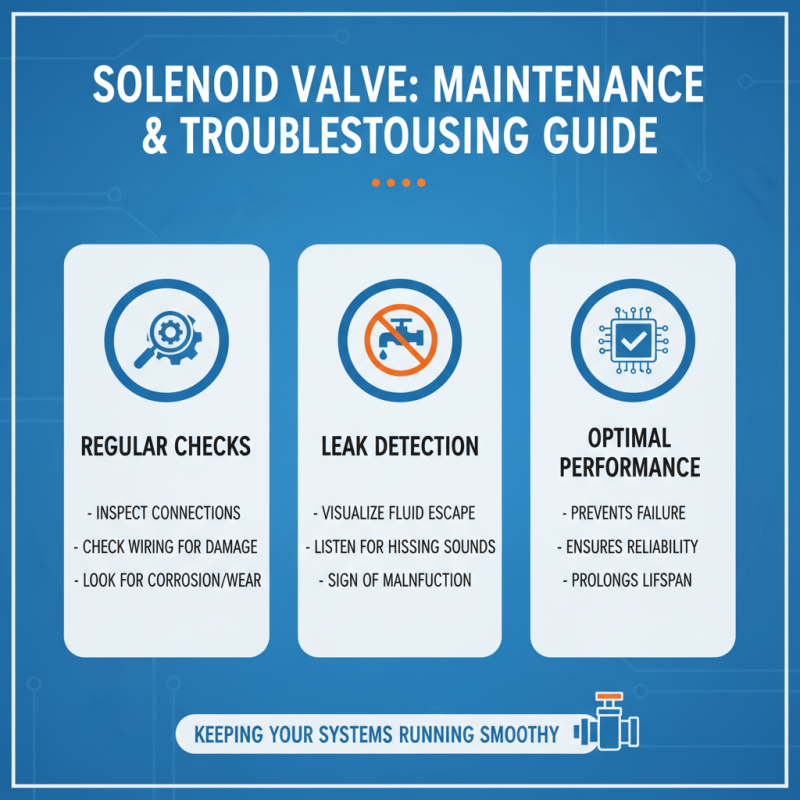
Maintaining solenoid valves is crucial for optimal performance. Regular checks can help identify wear or potential failure. Inspect connections and wiring often. Look for signs of corrosion or damage. Consider checking for leaks; any fluid escape can indicate a malfunction.
When troubleshooting, start with basic checks. Ensure that the power supply is stable. Voltage drops can cause inconsistent operation. If you notice erratic behavior, examine the Solenoid Coil. A damaged coil may require replacement.
For a specific type of solenoid, like a Dump Valve Solenoid, proper maintenance is essential. Ensure that it is free from blockages. Debris can obstruct operation and lead to premature failure. Regular cleaning and testing can prolong its life. Document any issues and resolutions. This creates a reliable reference for future maintenance. Always prioritize safety while handling these components.
Optimizing Automated Glue Application: The Role of Low-Volume Fluid AG-700 Screw Valve in Precision Dispensing Systems
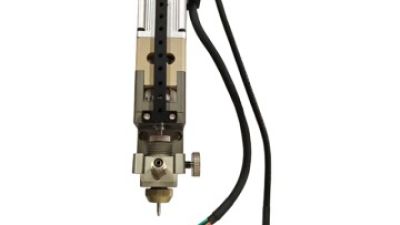
In precision dispensing systems, achieving optimal application of glue is critical for ensuring product quality and performance. The AG-700 Screw Valve, with its compact dimensions of L225*W45*H52mm and weight of 800g, is designed to facilitate efficient and accurate fluid dispensing. This valve is particularly beneficial in low-volume applications where precise delivery is required, making it an essential component for various industrial processes.
The innovative design of the AG-700 Screw Valve allows for smooth operation and adaptability, ensuring consistent performance in automated glue applications. Its robust construction ensures durability while maintaining the necessary precision for delicate dispensing tasks. In environments where even the smallest inconsistencies can lead to significant defects, the AG-700 provides a reliable solution that enhances automation efficiency and minimizes waste.
Employing such a valve in dispensing systems not only optimizes the glue application process but also contributes to overall operational efficiency. By utilizing advanced technology like the AG-700 Screw Valve, manufacturers can achieve higher levels of precision, ultimately leading to improved product quality and reduced costs associated with rework and material waste. Thus, the role of the AG-700 in precision dispensing systems cannot be overstated, as it accommodates the growing need for accuracy in automated processes.
FAQS
: Solenoid valves are critical in automotive, manufacturing, and HVAC industries. Their importance continues to grow.
Reputable manufacturers prioritize quality, reducing failures linked to poor design. Quality ensures reliability and performance.
Buyers should research manufacturers, seeking previous customer feedback. Evaluate production capacities and customer service for better choices.
The market growth is driven by the oil and gas, water management, and automotive sectors' increasing demand.
Yes, supply chain issues may disrupt availability. Not all technologies are user-friendly, requiring proper staff training.
Regular inspections and checks for wear or leaks are vital. These practices help identify potential failures before they occur.
Start by ensuring a stable power supply. Also, inspect the solenoid coil for damage. These checks are essential.
For types like the Dump Valve Solenoid, ensure it's free of blockages. Regular cleaning can prevent operational issues.
Advancements lead to energy-efficient models and integration into smart automation, enhancing functionality and sustainability.
Documenting issues and solutions helps create a reliable reference for future maintenance. It ensures continuity and efficiency.
Conclusion
The article provides a comprehensive overview of solenoid valves, highlighting their significance and diverse applications expected in 2026. Key factors influencing the selection process of solenoid valves include their performance, durability, and suitability for specific industrial needs. A comparative analysis of various Solenoid Valve Types and features allows buyers to make informed decisions, while emerging technologies are set to enhance valve design and efficiency significantly.
Furthermore, the article discusses the latest market trends and forecasts for solenoid valves in 2026, emphasizing the importance of staying updated with industry developments. It also offers practical guidelines for the maintenance and troubleshooting of solenoid valves, ensuring optimal performance in operational settings. Overall, understanding these elements will empower global buyers to choose the right solenoid valve for their applications.