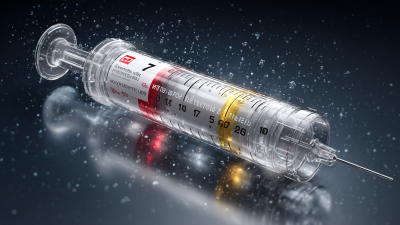
As more and more industries and medical fields require super precise handling, the spotlight on high viscosity syringe tech has really picked up. Dr. Emily Carter, who’s well-known in the world of medical gadgets at MedTech Innovations, mentioned, “The future of syringe tech is all about better managing thicker, more viscous materials with precision.” That honestly highlights how important innovative designs and new materials are becoming in this rapidly evolving area.
Looking ahead, we’re bound to see some interesting trends emerge. Manufacturers are likely going to experiment with advanced materials that make syringes tougher and more reliable. You’ll also notice a push toward making these syringes more user-friendly—think ergonomic shapes and simple mechanisms that just make the whole process smoother. Plus, there’s ongoing work to improve how efficiently these devices can inject really thick substances, which has been a real challenge with the traditional models.
Of course, it’s not all smooth sailing. There are still hurdles — like maintaining consistent quality across the board and making sure people know the right techniques to use these high viscosity syringes correctly. Striking that balance between cutting-edge innovation and practical usability is key. As industry leaders tackle these challenges and explore new directions, the market for High-Viscosity Adhesive Dispensers—check out this link [High-Viscosity Adhesive Dispenser](https://www.anyco-auto.com/high-viscosity-adhesive-dispenser)—will likely see similar growth. It all hints at a bigger wave of smarter, more sophisticated dispensing tools on the horizon.
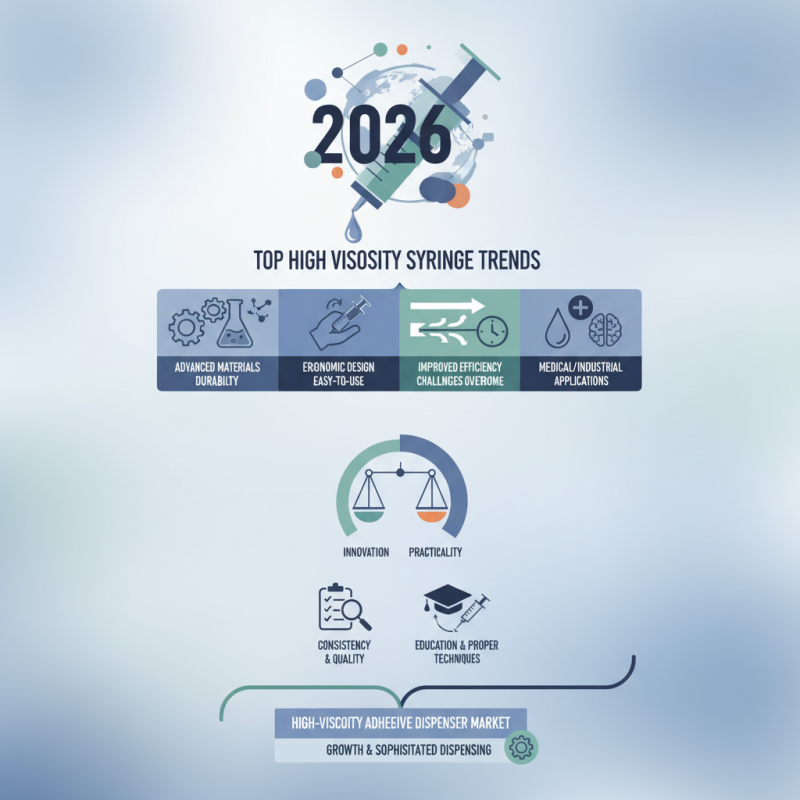
High viscosity syringes are crucial in various medical and industrial applications. In 2026, these syringes will reflect advanced engineering to handle thicker substances effectively. Users will notice improvements in ease of use and reliability. These enhancements will support diverse sectors, from pharmaceuticals to food processing. A focus on ergonomic design ensures user comfort during prolonged tasks.
The materials used for high viscosity syringes are also evolving. Manufacturers are prioritizing biocompatibility and resistance to chemical reactions. This choice affects syringe durability under high pressure and temperature. Moreover, precise control mechanisms in syringes are vital. They improve dosing accuracy, especially when working with high-speed Solenoid Valves. Addressing potential leakage and contamination is essential for maintaining product integrity.
Despite advancements, challenges remain. Not all high viscosity formulations will fit seamlessly into these syringes. Users need to be aware of potential compatibility issues. Feedback from professionals highlights a need for better clarity on syringe specifications. Refining education and training surrounding these tools is necessary for optimal use. Understanding these characteristics will better prepare global buyers in 2026.
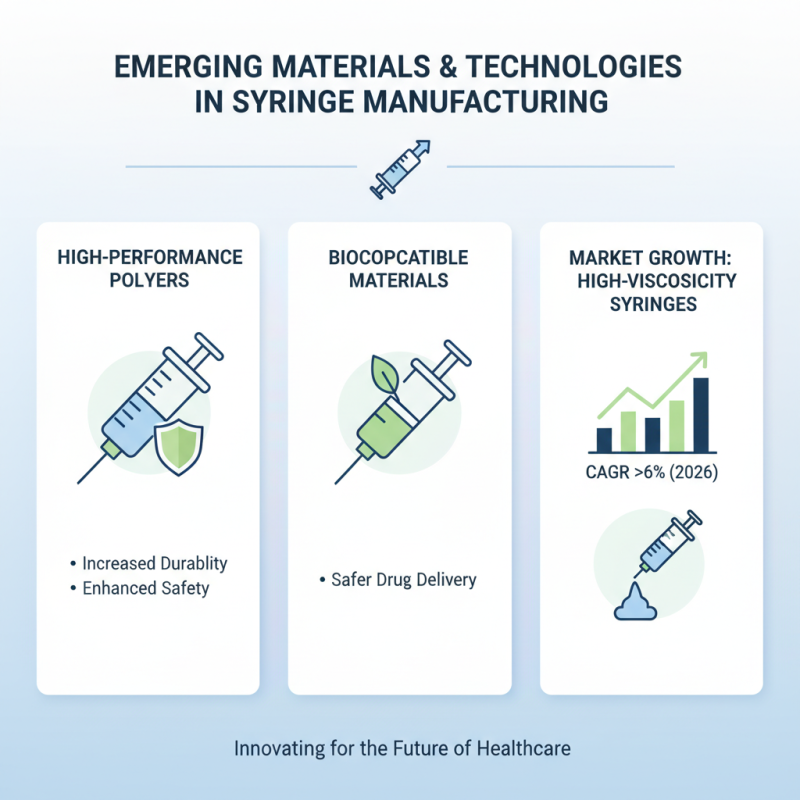
The syringe manufacturing industry is witnessing significant advancements due to emerging materials and technologies. Recent reports indicate a shift toward high-performance polymers for syringes, providing increased durability and safety. Biocompatible materials are becoming popular, responding to the rising demand for safer pharmaceutical delivery systems. Industry data suggests that the market for high-viscosity syringes is growing at a CAGR of over 6% through 2026.
Additive manufacturing, or 3D printing, is also making waves in the syringe production process. This technology allows for customizable designs, leading to reduced waste and increased efficiency. A study indicated that 3D-printed syringes can cut down production costs by up to 30% compared to traditional methods. However, challenges remain in terms of regulatory approval and material standardization.
Syringe manufacturers must also address the sustainability aspect of their operations. The demand for eco-friendly materials is on the rise, driven by global environmental concerns. Many manufacturers are exploring biodegradable plastics and reusable designs, but these innovations require thorough testing. Balancing the need for efficiency and sustainability poses a continuing challenge in the industry.
The demand for high viscosity syringes is on the rise globally. According to recent market analysis by industry experts, the high viscosity syringe market is expected to grow at a compound annual growth rate (CAGR) of approximately 8.5% from 2023 to 2028. This growth reflects the increased usage in sectors such as pharmaceuticals, biotechnology, and cosmetics. Specific applications include the administration of thick medications and high-viscosity materials in laboratory settings.
Market needs often highlight a gap in reliable supply chains. Many manufacturers face challenges in sourcing materials that meet stringent regulatory standards. Additionally, the variety of formulations requires tailored solutions that may not be readily available in the market. A survey reported that nearly 40% of users experience issues with syringe performance when handling viscous substances. This suggests a call for innovation in design and materials.
Furthermore, geographical factors significantly impact demand. Regions like North America and Europe account for a large share of the market. Yet, emerging markets in Asia-Pacific show rapid growth potential. Companies must adapt strategies based on regional requirements. Future developments will hinge on understanding these dynamics. Safety and efficiency in delivery methods will continue to play critical roles in shaping the high viscosity syringe market landscape.
In recent years, the syringe industry has seen significant innovations aimed at enhancing functionality. These advancements are crucial for efficiently handling high-viscosity materials. The demand for syringes tailored for substances like gels and creams is on the rise, with market research indicating a growth rate of over 5% annually. The integration of specialized designs allows for improved precision and control, minimizing waste during dispensing.
New syringe designs feature ergonomic grips and transparent barrels. These elements provide users with better visibility of the dispensed fluid. Reports indicate that syringes with these innovations can enhance user experience and increase accuracy for medical and industrial applications. High-viscosity syringes often require specific adaptations, like High-Pressure Fluid Fittings, to manage the thicker substances effectively.
Tip: Always ensure to test the syringe with the intended fluid prior to full-scale use. This practice helps in understanding its performance under various conditions.
Design changes also emphasize easy disassembly for cleaning. This feature is particularly vital in environments where sterilization is essential. However, despite these advancements, the alignment of components can sometimes be an issue. Close attention to design tolerances is critical to avoid potential leakage or inconsistency in delivery.
Tip: Regularly inspect and maintain your syringes, especially when dealing with high-viscosity liquids, to ensure long-term performance and reliability.
| Feature | Description | Trend Impact | Market Potential |
|---|---|---|---|
| Needle Design | Optimized for high viscosity fluids with minimal tissue damage. | Increased comfort and reduced pain for patients. | High, due to demand in specialty fields such as oncology. |
| Syringe Material | Use of advanced polymers to enhance durability and reduce leakage. | Enhanced safety and product integrity. | Growing, particularly in biologics and pharmaceuticals. |
| Graduation Accuracy | Improved markings for precise measurement of viscous solutions. | Greater confidence in dosing accuracy. | Substantial within clinical settings. |
| Ergonomic Design | Enhanced grip and usability tailored to healthcare professionals. | Improves efficiency and reduces fatigue during use. | High, especially among labor-intensive healthcare roles. |
| Safety Features | Include retractable needles and locks to prevent needlestick injuries. | Increased safety for healthcare workers. | Rapidly increasing as safety regulations tighten. |
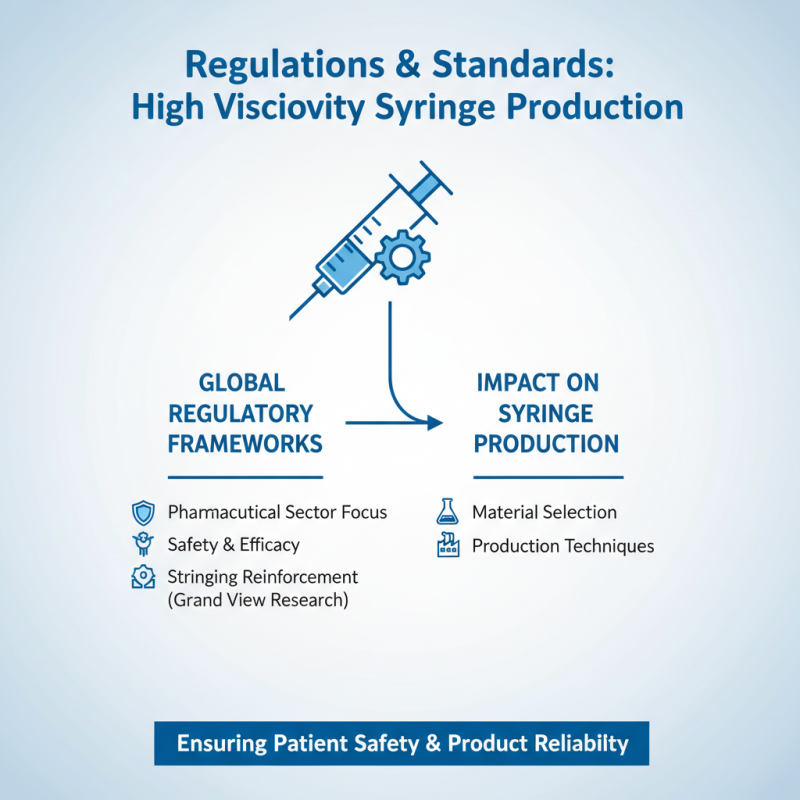
The production of high viscosity syringes is significantly influenced by various regulations and standards. According to a report from Grand View Research, stringent regulatory frameworks are being reinforced globally, especially in the pharmaceutical sector. These frameworks are designed to ensure safety and efficacy, impacting material selection and production techniques.
Manufacturers must comply with ISO 13485, which specifies requirements for a quality management system. This standard is crucial for ensuring that high viscosity syringes meet necessary safety standards. Additionally, the FDA emphasizes adherence to Good Manufacturing Practices (GMP), which includes rigorous testing protocols. Failure to meet these standards can lead to product recalls, significantly affecting market trust.
Furthermore, advancements in technology also steer compliance changes. The emergence of complex medications, which often require high viscosity syringes, compels the industry to adapt. Research indicates growing trends in the use of High Pressure Solenoid Valve technology, which improves the precision of syringe filling processes. However, such innovations necessitate continuous evaluation of existing standards. It remains a challenge to balance innovation with compliance, demanding ongoing dialogue between manufacturers and regulatory bodies.
Consumer preferences are shaping the landscape of high viscosity syringes. A report from Grand View Research indicates a steady market growth rate of 8.5% from 2023 to 2030. This rise can be attributed to increased demand for biologics and complex formulations. Healthcare professionals require syringes that can efficiently deliver thick liquids. User-friendly designs are also a priority.
The shift toward single-use and safety-engineered syringes reflects growing concerns about infection control. The World Health Organization emphasizes the need for safer medical practices. Many consumers are looking for assurance in quality and safety standards. This translates into greater demand for syringes that minimize risk.
Customization plays a pivotal role, with consumers seeking syringes tailored to specific applications. According to a report by MarketsandMarkets, 45% of users prefer syringes that match their unique medical needs. However, not all manufacturers address this requirement. The gap in understanding consumer needs raises questions about manufacturers' adaptability. The past year's feedback highlights a need for improvement in meeting those expectations effectively.
This chart illustrates the projected consumer preferences in the high viscosity syringe market for the year 2026. The data reflects varying factors such as ease of use, material preference, and sustainability that influence global buyers' choices.
The high viscosity syringe market is poised for notable growth in the coming years. Increased demand in pharmaceuticals and biotechnology sectors drives this trend. Innovative designs are emerging to enhance precision and efficiency. These syringes provide better performance for thicker substances, making them vital for various applications.
To thrive in this evolving market, consider these tips. First, focus on quality materials. This ensures reliability in High-Pressure Dispensing Tools. Next, seek out solutions that improve user experience. Ergonomics and ease of use can significantly influence buyer decisions. Finally, stay informed about regulatory changes. These can impact the development and distribution of high viscosity syringes.
Market experts predict that advances in technology will also play a crucial role. Automation in manufacturing processes could reduce costs and enhance production rates. However, businesses should reflect on potential challenges as well. Competition may intensify, requiring brands to innovate continually. Sustainable practices will also become a focal point. Balancing progress and responsibility is essential for long-term success.
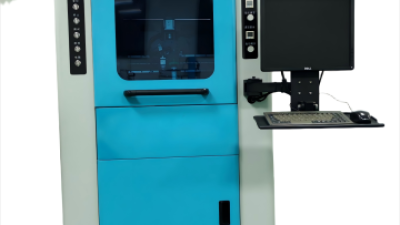
In the modern manufacturing landscape, the demand for precision and efficiency has never been higher. One of the key innovations driving this transformation is the implementation of online high-precision visual automatic dispensing machines. These machines are equipped with advanced features such as automatic width adjustment and integrated conveying lines that facilitate seamless connectivity between various workstation assembly lines. This capability is crucial for optimizing workflow, as it enables manufacturers to streamline processes and minimize downtime.
By employing these high-precision dispensing machines, manufacturers can achieve fully automated standardized production, leading to enhanced management and oversight of operations. The automation of dispensing tasks not only boosts production efficiency but also plays a significant role in ensuring product quality. With the integration of visual systems, these machines are capable of precise measurements and adjustments, resulting in consistent output that meets stringent manufacturing standards. This approach not only reduces human error but also increases the reliability of the production process, making it an indispensable asset in contemporary manufacturing environments.
: They are used in medical and industrial applications to handle thicker substances.
Enhanced ease of use and reliability will be evident in new designs.
Biocompatibility and chemical resistance affect durability and performance under pressure.
Precise control mechanisms improve dosing accuracy for thick liquids.
Compatibility issues with certain formulations may limit their effectiveness.
There is a growing demand for user-friendly and safety-engineered options.
About 45% of users seek syringes tailored to their unique medical needs.
Better education can lead to optimal use and understanding of specifications.
Automation in manufacturing could reduce costs and improve production rates.
They must reflect on competition and prioritize sustainable practices.
The article "2026 Top High Viscosity Syringe Trends for Global Buyers" explores the key characteristics and innovations shaping the high viscosity syringe market. In 2026, these syringes are expected to feature advanced materials and technologies that enhance their performance and user-friendliness. A thorough market demand analysis reveals a growing need for high viscosity syringes, driven by evolving consumer preferences and innovative designs aimed at improving functionality.
Furthermore, the article emphasizes the importance of adhering to regulations and standards that influence the production of high viscosity syringes. As health care industries continue to adapt, understanding these trends and implementing innovative solutions will be crucial for meeting global buyer demands. The future outlook suggests significant growth in the high viscosity syringe market, highlighting the necessity for continuous research and development in this sector.