In today’s fast-moving industrial world, choosing the right High-Pressure Dispensing Tool isn’t just a good idea—it’s pretty much essential for the success of a bunch of different projects, whether you’re into manufacturing or some more specialized stuff. This guide is here to give you a straightforward look at how to evaluate and pick the best tool that fits your specific needs. Oh, and by the way, Shenzhen Anyco Automation Equipment Co., Ltd., has been around since 2013 as a high-tech company, specializing in developing, making, and selling automated fluid control equipment and accessories. With all these years of experience and a real focus on quality, Anyco is known for coming up with innovative solutions and offering solid after-sales support. So, if you’re trying to decide on a high-pressure dispensing tool, whether you need it to be super precise, efficient, or tough as nails, knowing the key features and what to look for can really make a difference in how well your project turns out.
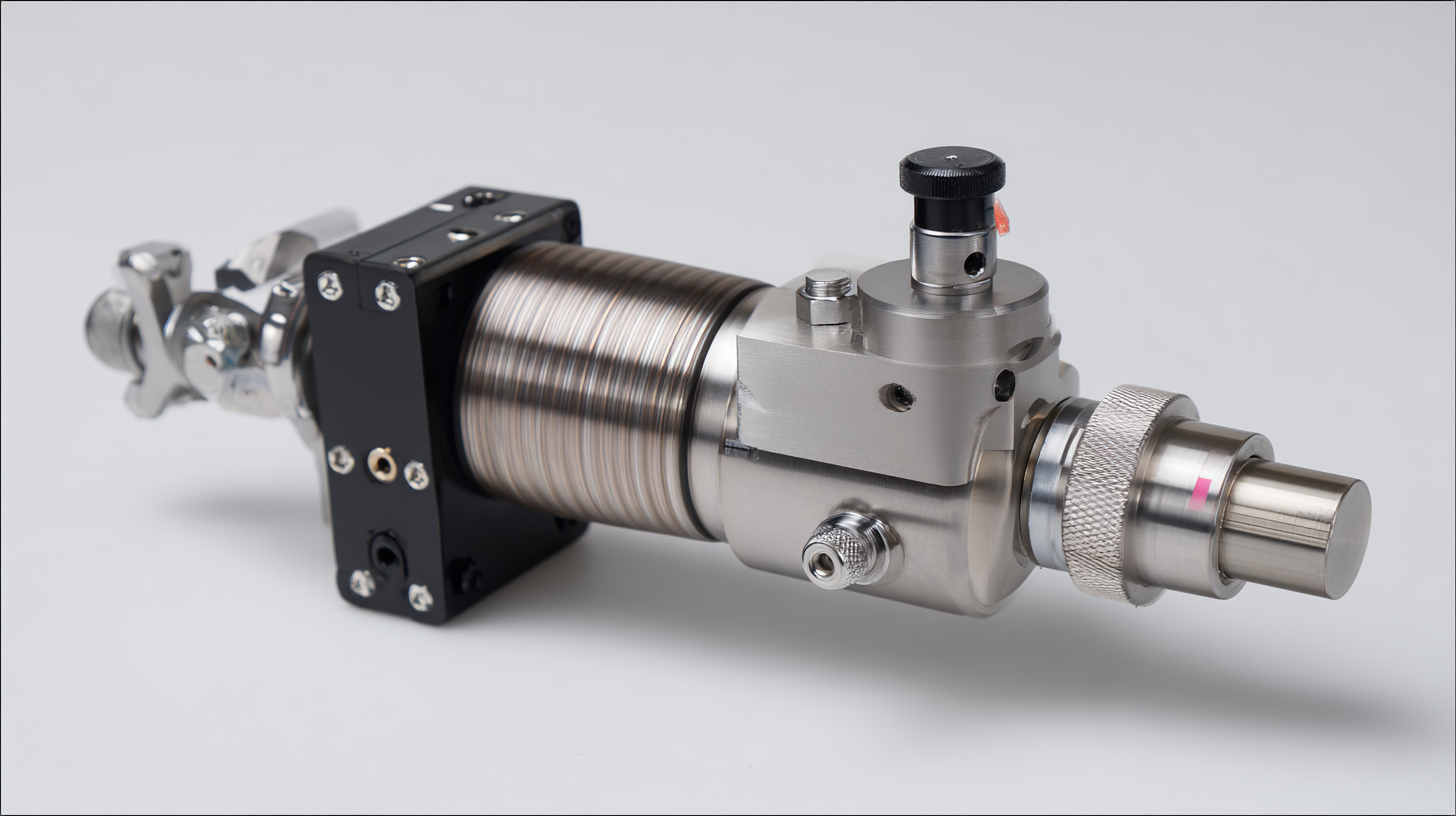
Understanding the Different Types of High Pressure Dispensing Tools Available
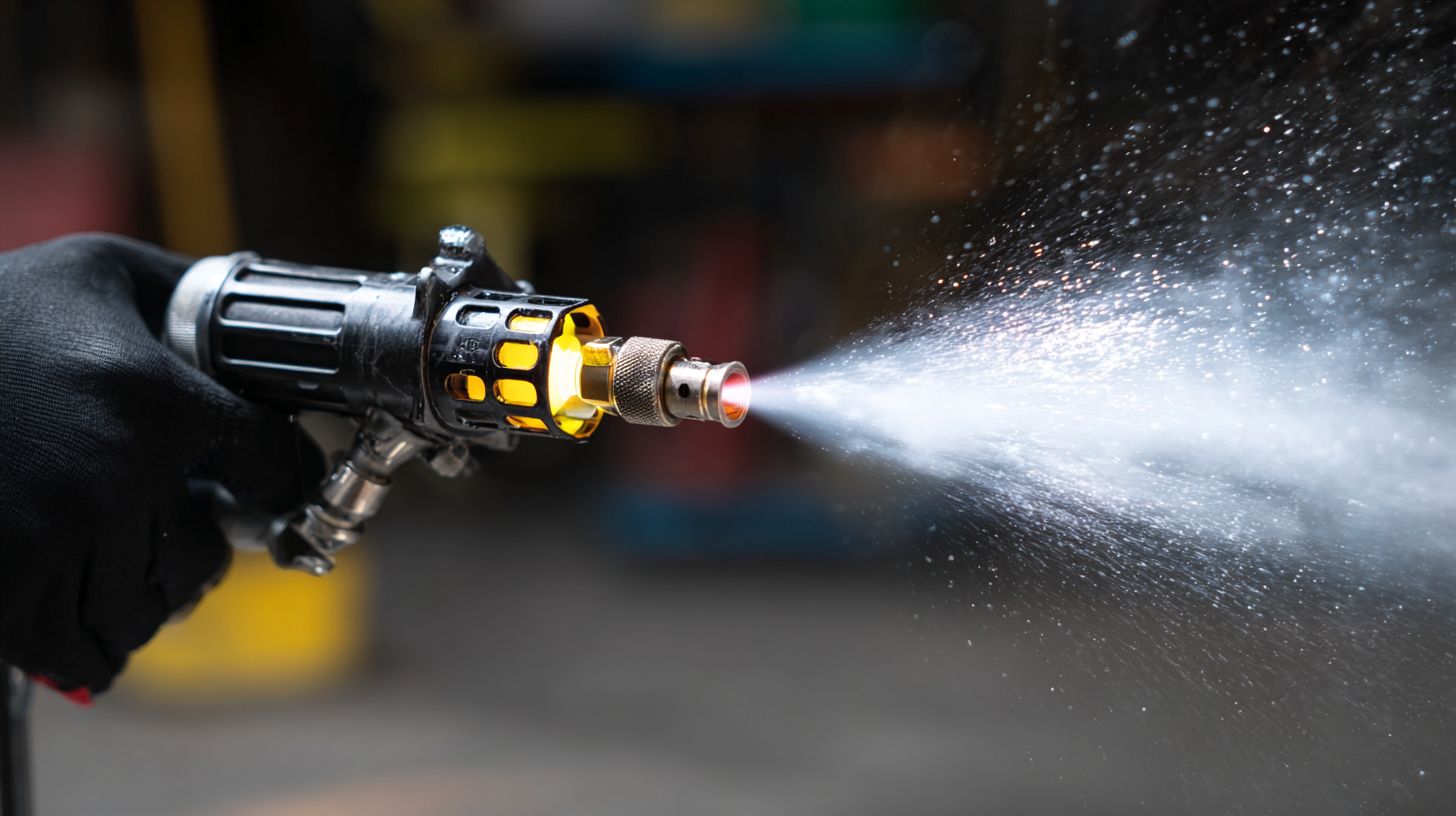
When you're on the hunt for the right high-pressure dispensing tool for your project, it’s really helpful to know what kinds are out there. Honestly, most of these tools fall into a few main categories based on what you’re dispensing and how you’re using them. For example, pneumatic dispensers use compressed air — they’re great if you need precision with adhesives, sealants, or coatings. Plus, they’re pretty user-friendly and can cover big areas fast, so they’re a hit both in professional setups and DIY jobs alike.
Key Features to Look for When Selecting a High Pressure Dispensing Tool
When you're on the hunt for a high-pressure dispensing tool for your project, there are a few key features you really want to keep in mind to make sure everything runs smoothly. First off, try to find one with adjustable pressure settings. This way, you can tweak the pressure depending on what materials you're working with — super handy! Also, having a tool with variable flow rates can be a game-changer because it gives you more control over the amount of adhesive, sealant, or coating you're applying. It’s all about that precision, right?
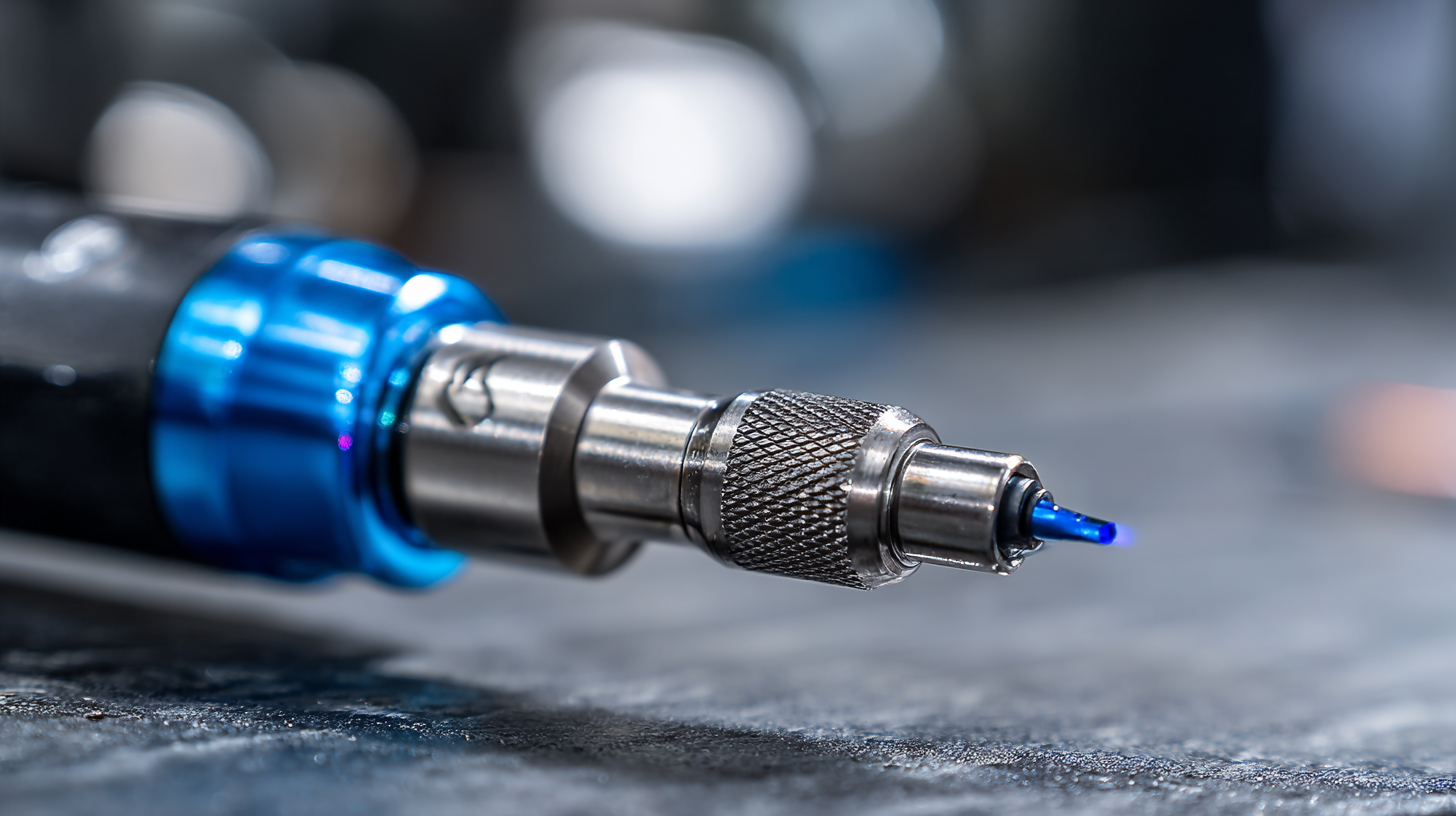
Another thing to look out for is whether the tool is compatible with different materials, like epoxies, silicones, or polyurethane. You don’t want something that’s only good for one thing and not versatile enough. And don’t forget about the nozzle design—having a few different sizes and types can really help you get that perfect, clean application.
**Quick tip:** Make sure to check how easy it is to clean and maintain the dispenser. Tools that are simple to clean save a ton of hassle later on. Oh, and comfort matters too! Picking an ergonomic design can make your work much more comfortable, especially on those long days or big projects. Trust me, a good tool can honestly make all the difference.
The Ultimate Guide to Choosing the Best High Pressure Dispensing Tool
| Feature | Importance | Recommended Specification | Notes |
| Pressure Range | Critical for application suitability | 1000 - 3500 PSI | Higher range for more demanding projects |
| Dispensing Accuracy | Essential for precise applications | ±1% tolerance | Critical for prototype and standard production |
| Material Compatibility | Important for chemical resistance | Compatible with solvents and adhesives | Verify with materials used in the project |
| Portability | Convenience for on-site use | Weight under 50 lbs | Consider user mobility requirements |
| Ease of Use | Speeds up workflow and productivity | User-friendly controls and setup | Training time should be minimal |
| Maintenance Requirements | Impact on long-term use and costs | Low maintenance frequency | Invest in tools with easy maintenance features |
Tips for Assessing the Quality and Durability of Dispensing Tools
When you're picking out a high-pressure dispensing tool, honestly, quality and durability are what really matter. I came across a recent industry report from the International Association of Distributing and Manufacturing (IADM) that points out tools built to high standards tend to break down less often, which means you'll save money in the long run. So, it's super important to look at things like what materials they're made from, how the design is laid out, and the reputation of the manufacturer.
Tip 1: Try to find tools crafted from top-notch materials, like
stainless steel or
reinforced plastics. They’re way better at resisting rust and wear. There’s even a study from the
American Society of Mechanical Engineers (ASME) that says tools made with these durable materials can last up to
three times longer than cheaper options.
Tip 2: Also, check out the design — make sure it’s ergonomic and easy to maintain. A survey from the
National Institute for Occupational Safety and Health (NIOSH) showed that well-designed, comfortable tools not only feel better to use but can also help prevent
repetitive strain injuries, which kind of boosts your
productivity over time.
If you keep these factors in mind, you’ll be able to pick a high-pressure dispensing tool that’s not just suitable for your project but also reliable enough to stick around for the
long haul.
Factors Influencing the Performance of High Pressure Dispensing Tools
When you're choosing a high-pressure dispensing tool for your project, it’s really important to keep in mind a few key factors that can make a big difference in how well it works. I was reading a recent report by the Adhesive and Sealant Council, and they mentioned that the effectiveness of these tools mainly hinges on things like pressure settings, nozzle design, and compatibility with your materials. For example, tools running at over 3000 psi tend to give you better control and a more even application of the material — perfect for those tricky, demanding jobs.
Quick tip: Always double-check the manufacturer’s specs for the materials you’re using. It helps ensure things run smoothly and can save you from headaches like clogging or uneven flow.
Plus, the nozzle design really makes a difference in how the material gets dispensed. A good, well-thought-out nozzle can cut down on waste and boost precision — especially important if you’re working on detailed or complex projects. Actually, some research shows that picking the right nozzle setup can bump up your dispensing efficiency by about 30%, which can really impact your project’s cost and timeline.
Another tip: Don’t be afraid to try out different sizes or shapes of nozzles to see what works best for your specific needs. Experimenting a little can lead to better results and help you use your materials more efficiently.
Common Mistakes to Avoid When Choosing a High Pressure Dispensing Tool
When you're picking out a high-pressure dispensing tool for your project, it’s really important to watch out for some common pitfalls—things that can trip you up, cause inefficiencies, or even damage. One big mistake people often make is not paying enough attention to what your specific application actually needs. I mean, different materials and tasks call for different pressure settings and nozzle types. Don’t forget to think about how viscous your material is, too. If you set the pressure too high, you might end up making a mess; go too low, and you might not get even coverage. It’s all about finding that sweet spot.
A quick tip: Take the time to go over the specs of your materials carefully before you buy. Checking out the technical data sheets can save you from making costly mistakes later on.
Another common oversight? Ignoring whether the tool will actually work well with the equipment you already have. Picking a dispensing tool that doesn't fit with your existing setup can cause all sorts of headaches—things like operational hiccups or delays. You really want to make sure that the tool can handle your mix ratios, curing times, and application methods without a fuss.
Here’s another tip: Don’t hesitate to get in touch with manufacturers or vendors to ask about compatibility features. Doing that can save you a lot of headaches and help you find tools that actually improve your workflow, not mess it up.
Maintenance Tips to Extend the Life of Your High Pressure Dispensing Tool
When it comes to keeping your high-pressure dispensing tools in good shape, regular maintenance is really key. Doing routine checks, cleaning them up, and fixing small issues early on can save you from bigger, more expensive problems down the road. For example, making sure the seals and hoses are in top-notch condition can go a long way—less leaks, better performance, you know? And don’t forget, using the right lubricants on moving parts is super important; it helps prevent wear and tear, especially if you're working in tough environments.
Here at Shenzhen Anyco Automation Equipment Co., Ltd., we’re all about quality and durability when it comes to our automated fluid control solutions. We started back in 2013, and since then, we’ve built a solid reputation as a high-tech enterprise. Not only do we focus on developing and manufacturing cutting-edge dispensing tools, but we also make sure to provide solid after-sales support. We always recommend our customers stick to a proactive maintenance routine to keep their equipment running smoothly—this is our way of showing we’re committed to helping your tools stay reliable and effective for as long as possible.
The Best High Pressure Dispensing Tools Comparison
Revolutionizing Efficiency: The Benefits of the Desktop Automatic Dispensing Machine SXR-300EDN
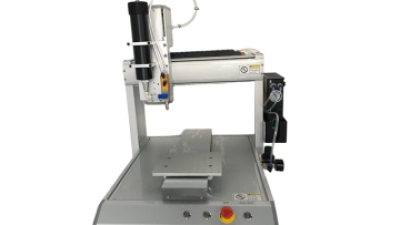
The desktop automatic dispensing machine SXR-300EDN is a groundbreaking innovation that redefines efficiency in various working environments. With its compact design measuring 520 mm in length, 580 mm in width, and 620 mm in height, this machine seamlessly fits into any workspace without compromising on performance. Weighing approximately 18 kg, it is both sturdy and portable, making it an ideal choice for businesses that require a reliable dispensing solution.
One of the standout features of the SXR-300EDN is its work schedule area, allowing for dispensing tasks over a spacious 300 mm in the X direction, 300 mm in the Y direction, and 100 mm in the Z direction. This capability enables the handling and dispensing of a wide variety of materials with exceptional precision and efficiency. In industries where time and accuracy are paramount, the SXR-300EDN delivers unparalleled benefits by streamlining processes and reducing waste, thus ensuring that operations can run smoothly and effectively.
By integrating the SXR-300EDN into production lines or laboratory settings, companies can significantly enhance their operational efficiency, minimize manual labor, and achieve higher output quality. This machine not only represents a leap in dispensing technology but also acts as a catalyst for transforming business productivity.
FAQS
: A major mistake is overlooking the specific requirements of your application, such as the viscosity of the material and the appropriate pressure levels and nozzle types needed.
Ensure to review the specifications of your materials thoroughly and consult technical data sheets to prevent costly errors in your selection process.
If the dispensing tool doesn't integrate well with your current setup, it can create operational hurdles and affect efficiency.
Engage with manufacturers or vendors to understand the compatibility features of the dispensing tools with your existing equipment.
Routine inspections, cleaning, prompt servicing, and ensuring optimal condition of seals and hoses are essential for preventing leaks and enhancing performance.
Correct lubricants help maintain moving parts and prevent wear and tear, which is vital for tools used in demanding environments.
Adopting a proactive maintenance schedule can maximize the efficiency and reliability of your equipment.
Regular upkeep prevents minor issues from escalating into costly repairs and enhances the lifespan and efficiency of the tools.
Conclusion
Looking to find the perfect high-pressure dispensing tool for your project? In our guide, 'The Ultimate Guide to Choosing the Best High Pressure Dispensing Tool for Your Project,' we walk you through what really matters when picking the right equipment. We cover the different types out there and highlight what to watch for—things like precision, how easy it is to use, and how adaptable they are. Plus, we share some helpful tips on checking the quality and durability of these tools, so you get something that will last and perform well.
The article also points out some common mistakes folks tend to make when choosing a dispensing tool, and we give practical advice on maintaining your equipment to keep it running smoothly over time. We’ve teamed up with experts from Shenzhen Anyco Automation Equipment Co., Ltd., a leader in automated fluid control solutions, to create a resource that’s super useful whether you’re just starting out or looking to upgrade. Basically, it’s all about helping you make smarter choices and get your project done with the best tools out there.