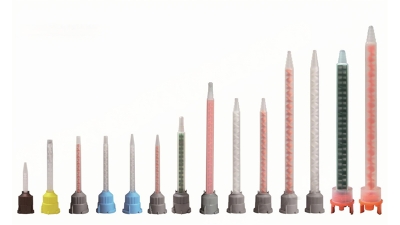
In the fast-changing world of industrial manufacturing, picking the right manufacturer for things like the Epoxy Mixing Tube can really make a difference in both quality and efficiency. Here at Shenzhen Anyco Automation Equipment Co., Ltd., we’ve been around since 2013, and we're all about pushing the boundaries in automated fluid control equipment and accessories. We’re proud to be a national high-tech enterprise, which means we’ve got solid R&D capabilities and a real commitment to top-notch production, sales, and support after the sale. In this blog, I want to share some key things to keep in mind when you're choosing a manufacturer for Epoxy Mixing Tubes — like why quality, reliability, and the ability to export globally really matter, especially in a competitive market like China.
Understanding the Importance of Quality in Epoxy Mixing Tubes
When it comes to epoxy mixing tubes, you really can't overlook how important quality is. Using top-notch tubes makes a big difference in how well the epoxy mixes and applies, which directly affects how the final product performs and holds up over time. Lately, I've read some studies pointing out that the way these tubes are made can really impact the release of volatile chemicals like Bisphenol A. That’s why quality control during manufacturing is such a big deal—it's essential for cutting down on those risks, especially in cases like new drinking water pipe liners.
Plus, as more folks look into advanced materials, technologies like Cured-in-Place-Pipe (or CIPP) for fixing up water pipes are becoming more common. That just highlights how crucial it is to have strict quality standards in place. Industry folks say the success of epoxy jobs really depends on using tubes that meet, or even exceed, certain quality benchmarks. For example, extruded PVC pipes need to follow standards like SRPS EN ISO 1452-2 to make sure they’re reliable and safe for different uses. Picking a manufacturer that genuinely cares about quality can totally make a difference in getting the best results when working with epoxy—trust me, it’s worth it.
Key Features to Look for in High-Quality Epoxy Mixing Tubes
When you're choosing high-quality epoxy mixing tubes, there are a few key things to keep in mind—these can really make a difference in how your project turns out. First off, durability is a big deal. Look for tubes made from sturdy, chemically resistant materials that won’t warp or break down during use. That way, your mix stays consistent, and you won’t risk contamination, which can mess with adhesion and the final look.
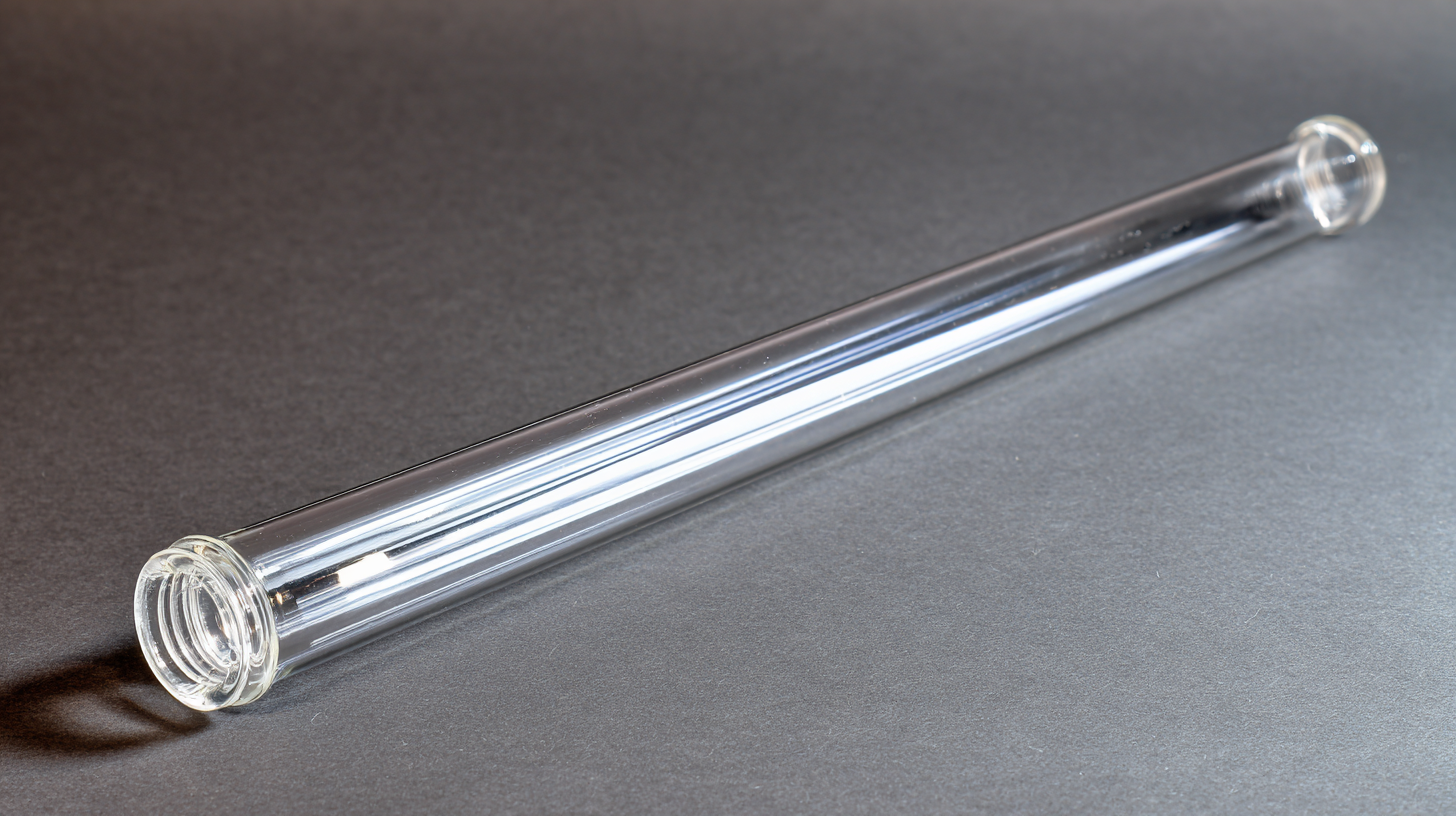
Then, think about the design of the tube. Tubes with a tapered end are pretty handy—they make dispensing much easier and give you more control, especially if you're working on something detailed. Also, pay attention to the inside texture. Smooth surfaces tend to make mixing quicker and more thorough. On the flip side, some grooves or ridges can help blend the epoxy better, but they might make it a bit trickier to pour out evenly. Lastly, make sure the size of the tube matches what you need—whether that's a small batch or a larger one, and whatever kind of application you're doing.
All in all, choosing the right mixing tube isn’t just about size or price; it’s about finding something that works smoothly for your project and makes the whole process easier and more reliable.
Evaluating Manufacturer Reputation and Experience
When you're on the hunt for a good manufacturer for top-quality epoxy mixing tubes, it’s super important to check out their reputation and experience. A reputable company usually has a solid track record of delivering reliable, high-quality products. Take Shenzhen Anyco Automation Equipment Co., Ltd., for example — they’ve been around since 2013 and have tons of experience in developing and making automated fluid control equipment. Their focus on quality and great service really makes them a trusted player in the industry.
In today’s super competitive global market, kinda like what we’re seeing in the aerospace world with new players trying to make it against the big, established companies, manufacturers of epoxy mixing tubes are also under the microscope. As businesses deal with more reputational risks — especially with new regulations around managing those risks — it’s clear that partnering with a manufacturer who’s all about quality and has a solid reputation can seriously affect your success down the line.
Comparing Material Options for Durable Mixing Tubes
When you're choosing the right material for epoxy mixing tubes, honestly, a couple of things matter big time—mainly durability and how well it resists chemicals. Usually, folks go for options like polyethylene, polypropylene, or stainless steel. Polyethylene tubes are super lightweight and won't break the bank, so they're a popular pick if you're just doing a quick project. But, fair warning—if you're working with high temps or more aggressive solvents, they might not hold up so well over time, which could be a problem if you're in it for the long haul.
On the flip side, polypropylene gives you a bit more bang for your buck with better heat resistance and inertness with chemicals, which makes it more versatile for different epoxy mixes. And if you're after serious durability, stainless steel tubes are pretty much the gold standard—they’re tough, resistant to corrosion, and can handle pretty much anything you throw at them. Sure, they’re pricier, but they last way longer and tend to hold up in all kinds of environments, making them worth the investment if you're doing professional work.
In the end, picking the right material really depends on what you’re using it for and how long you want it to last. Basically, think about your specific needs so your epoxy mixing stays smooth and hassle-free.
Navigating Customer Reviews and Testimonials for Insight
When you're trying to choose a manufacturer for epoxy mixing tubes, it's really important not to just go by specs and price alone. Those customer reviews and testimonials can be like goldmines—they give you real, honest insights into how folks are actually finding the products. When you're reading through them, try to focus on comments about how durable the tubes are, whether they're easy to work with, and if they do a good job at mixing accurately. If you see a bunch of positive reviews from different people, that’s usually a good sign that the company’s products are solid.
Also, keep in mind the variety of people leaving feedback—whether it’s DIYers messing around in the garage or professional contractors on the job site. Their experiences can really give you a sense of how well these mixing tubes perform in different situations. And don’t be shy about digging a little deeper—look for reviews that mention both the good and the bad to get a more balanced view. If you're still unsure, reaching out to online forums or other users can be super helpful. All this info adds up to help you make a smart, more confident choice and pick a manufacturer that really meets your expectations for quality.
Assessing Cost vs. Value in Selecting Your Manufacturer
When you're choosing a manufacturer for those top-quality epoxy mixing tubes, it’s really important to weigh the cost against the value you’re getting. Sure, a cheaper price tag might catch your eye at first, but it’s worth thinking about what that could mean down the road—like issues with quality or reliability. Doing a proper cost-benefit analysis can help you see the bigger picture: sometimes spending a bit more upfront on better materials means fewer production hiccups later on, which ultimately helps you save money and protects your reputation.
And don’t forget about the manufacturer’s stance on ethical stuff and sustainability. More and more, businesses that partner with suppliers who prioritize fair labor practices and care about the environment tend to build stronger loyalty and a better brand image. When you think about the social and environmental impact of your choices, you're not just buying a product—you’re also supporting positive change across the industry. Looking at it this way, choosing a manufacturer isn’t just about the price—it’s about finding a partner that offers real value, reliability, and ethical integrity, which makes a big difference in the long run.
Maximizing Efficiency: The Role of Industrial Dispensing Static Mixing Tubes in Modern Manufacturing Processes
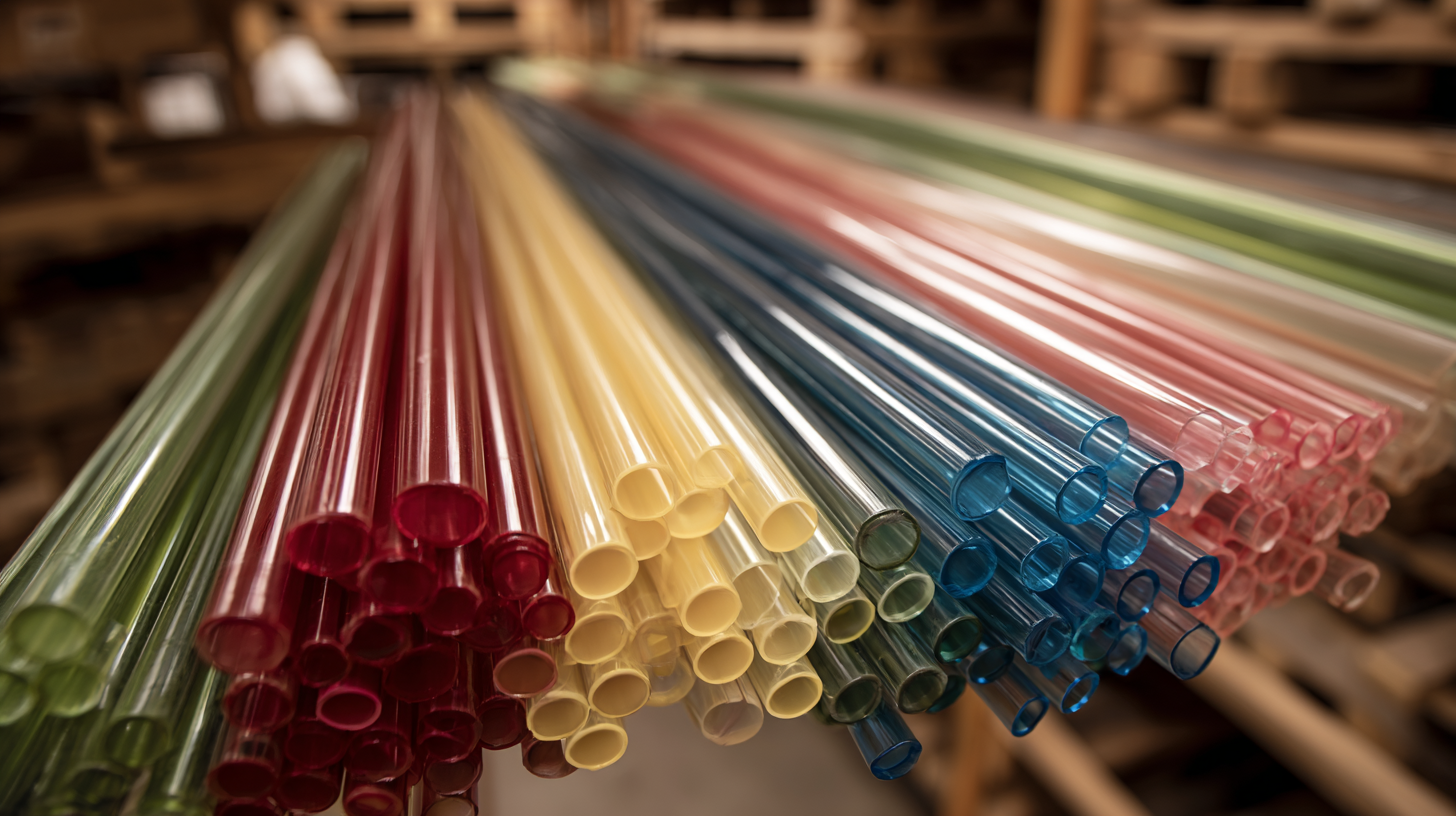
In today's fast-paced manufacturing environment, maximizing efficiency is crucial for staying competitive. One of the key components in enhancing productivity is the use of industrial dispensing Static Mixing Tubes. These tubes are engineered to ensure precise mixing and dispensing of adhesives, sealants, and other materials, which is vital for reducing waste and improving product quality.
Recent industry reports indicate that businesses utilizing advanced dispensing technologies can achieve up to a 25% increase in production rates while minimizing material costs. This is particularly important considering that materials like polypropylene (PP) and stainless steel (316L) are widely recognized for their effective performance in various conditions. PP is disposable and chemical-resistant, suitable for temperatures ranging from 0-80°C, making it ideal for low-demand applications. Conversely, stainless steel offers reusability and can withstand higher temperatures up to 250°C, providing a reliable option for more rigorous processes.
Moreover, PTFE-lined static mixing tubes are revolutionizing the way manufacturers handle silicone and urethane adhesives. Their non-stick properties significantly reduce the amount of material left in the dispensing system, thus maximizing efficiency and ensuring a cleaner workflow. With the right choice of material and design, industrial dispensing static mixing tubes are paving the way for more streamlined manufacturing processes, ultimately leading to improved operational efficiency and reduced production costs.
FAQS
: A reputable manufacturer demonstrates a proven track record of quality and reliability, which is crucial for ensuring the operational success of your projects.
Manufacturers with extensive experience, like Shenzhen Anyco Automation Equipment Co., Ltd., are often better positioned to deliver reliable products and services.
It's important to consider the long-term implications of quality and reliability over just the initial lower price, as inferior products can lead to operational downtimes and increased costs.
A cost-benefit analysis evaluates the trade-offs between upfront expenses and potential costs associated with lower-quality products, helping you make informed purchasing decisions.
Manufacturers that prioritize ethical practices and sustainability contribute to enhanced brand loyalty and a better market position, positively impacting your business image.
Aligning with suppliers who focus on environmental stewardship not only leads to better product quality but also supports broader positive changes in the industry.
Focusing only on price can lead to selecting inferior products, which may increase operational costs and harm your project's reputation due to production delays.
Partnering with a manufacturer known for quality and reliability can significantly reduce risks and improve the overall efficiency of your operations.
Look for documented evidence of quality assurance processes, customer testimonials, and certifications that demonstrate their reliability and attention to quality control.
Aligning with reputable manufacturers can help mitigate reputational risks, particularly in industries where strict regulatory guidelines are in place.