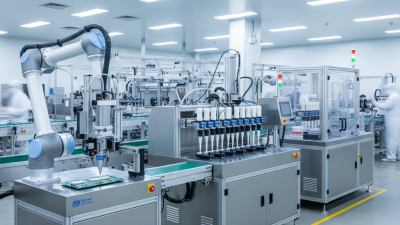
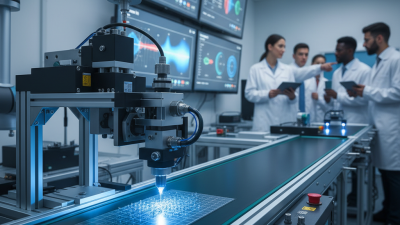
The Industrial Dispensing Machine has really become a game-changer in today’s manufacturing world. According to a report from Grand View Research, the global market for industrial dispensing equipment is expected to hit around $8.5 billion by 2025, growing at an average rate of over 5%. That’s pretty impressive, and it’s mainly because there's an increasing need for precision when assembling products. Industries like automotive, electronics, and pharmaceuticals are leaning on these machines more and more—they help boost efficiency and cut down on waste.
These machines are fantastic when it comes to applying adhesives, sealants, or coatings—they do it smoothly and with great accuracy. This means less wasted material and lower labor costs. But here’s the thing: companies need to really think about what they need before jumping in. If the machine doesn’t fit perfectly with their workflow or processes, it can actually cause more problems than it solves. Not every dispensing machine works great for every industrial setup.
Choosing the right Industrial Dispensing Machine can make a huge difference. High-quality options are built to last and are super reliable, but they usually come with a hefty price tag. So, rushing into a purchase without doing your homework isn’t the best idea. It’s smart for companies to look at their current challenges and see where improvements can be made before making a decision. Taking that careful approach helps ensure they pick a machine that truly fits their needs and gives the best bang for their buck.
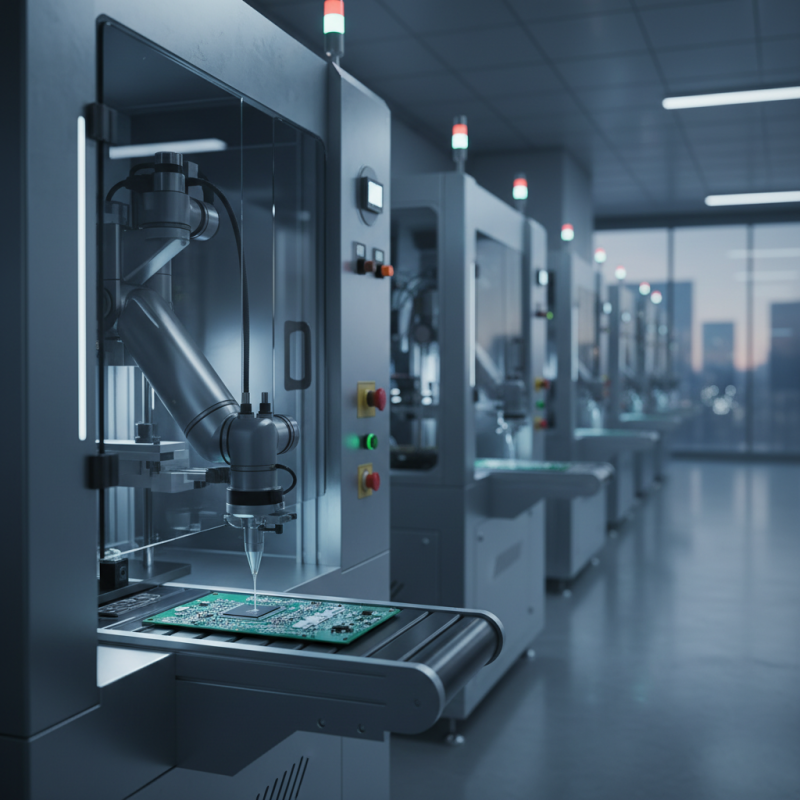
Definition and Purpose of Industrial Dispensing Machines
Industrial dispensing machines are essential tools in various manufacturing sectors. They are designed to dispense precise amounts of liquids, adhesives, or other materials. This automation reduces waste and enhances efficiency in production processes.
These machines work by using complex mechanisms that control the flow of materials. They can be programmed to dispense specific volumes at consistent rates. This accuracy is crucial for maintaining product quality. Operators often switch between different materials, requiring machines to be adaptable. However, sometimes these machines may require recalibration. This can lead to inefficiencies if not managed well.
Understanding the purpose of industrial dispensing machines is vital. They help streamline operations in sectors like automotive and packaging. Their role in enhancing productivity is unquestionable, yet challenges remain. Regular maintenance is needed to ensure optimal performance. Staff training is also important to prevent misuse or errors. A reliable machine is only as good as the operator managing it.
What is an Industrial Dispensing Machine and How Does It Work?
| Feature | Description |
| Definition | An industrial dispensing machine is a device used to dispense precise amounts of fluids or materials in various industries. |
| Purpose | To automate the dispensing process, improve accuracy, and reduce waste in manufacturing and production lines. |
| Common Applications | Used in automotive, electronics, pharmaceuticals, food & beverage, and cosmetics industries. |
| Types of Materials Dispensed | Adhesives, sealants, coatings, lubricants, and other viscous or non-viscous fluids. |
| Key Features | Precision control, adjustable flow rates, programmable dispensing schedules, and integration capabilities with other machines. |
| Operating Principles | Utilizes pumps, valves, and timers to dispense specified volumes or weights of materials accurately. |
| Benefits | Increases efficiency, ensures consistency, minimizes manual labor, and enhances safety in the workplace. |
Types of Industrial Dispensing Machines Based on Applications
Industrial dispensing machines play a crucial role in various sectors. Their design varies based on specific applications. Primarily, these machines dispense liquids, adhesives, and certain powders. This diversity is essential for meeting different production needs.
One common type is the liquid dispensing machine. They are often used in the automotive industry, applying sealants or lubricants. Precision is key here, as even minor errors can lead to product failures. Another type is the adhesive dispensing machine, favored in manufacturing processes for electronic products. These require accurate applications to ensure product integrity.
Powder dispensing machines are also significant. They are often found in food and pharmaceutical sectors. These machines help maintain consistent weight and quality. However, achieving the right balance in dispensing can be challenging. Operators might need to recalibrate frequently. This reflects the ongoing need for improvement and a deeper understanding of the machinery.
Types of Industrial Dispensing Machines Based on Applications
Key Components of an Industrial Dispensing Machine
Industrial dispensing machines play a crucial role in various manufacturing processes. They ensure precise liquid or solid dispensing. Understanding their key components is essential for optimizing efficiency and reliability.
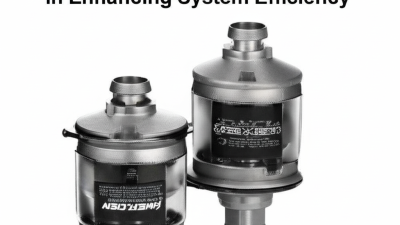
One vital component is the control system. It regulates the dispensing process, providing accuracy. Operators can set parameters like flow rate and volume. Then comes the dispensing mechanism, where an Industrial Solenoid Valve often functions. This valve controls fluid flow electronically, offering quick responses. Furthermore, sensors monitor performance, ensuring the machine operates smoothly.
Another critical element is the storage reservoir. It holds the materials to be dispensed. Proper sizing is necessary to prevent frequent refills and maintain workflow. Additionally, the machine's structure must allow easy access for maintenance. This is often overlooked, leading to operational inefficiencies. Maintaining a clean and organized environment around the machine is a constant challenge. Regular inspections can help avoid potential breakdowns, but many facilities struggle with this aspect.
How Industrial Dispensing Machines Operate: A Step-by-Step Guide
Industrial dispensing machines are essential in various sectors, from manufacturing to pharmaceuticals. These devices automate the process of dispensing liquids, powders, or granules with precision. Understanding their operation helps optimize workflows and enhance productivity.
To operate an industrial dispensing machine, begin by calibrating the device. Proper calibration ensures accurate measurements. Load the appropriate material, considering compatibility with the machine’s mechanism. Many users overlook this step, leading to inefficiencies. When setting dispensing parameters, take your time. Adjust flow rates and volume settings to suit your production needs.
Tips: Regular maintenance is crucial. Check for clogs or wear in the dispensing unit. Clean components to prevent cross-contamination. The Dispensing Machine S-551 requires specific care routines. Ignoring this can lead to inconsistent results and costly downtime.
Once everything is set, initiate the dispensing cycle. Monitor the flow closely, especially during the first few batches. Errors at this stage can be detrimental. Evaluate the machine's output often. Make adjustments as needed to maintain quality. Document these processes; they serve as valuable reference points for future operations.
Tips: Train operators to recognize signs of malfunction. Empowering staff to address minor issues can save time and resources. Emphasize the need for vigilance during the entire dispensing operation to ensure reliability.
Advantages of Using Industrial Dispensing Machines in Manufacturing
Industrial dispensing machines play a crucial role in modern manufacturing. These machines automate the process of dispensing materials like adhesives, coatings, and paints. By using precise controls, they ensure that the right amount of material is applied every time. This leads to less waste and higher efficiency in production lines.
One significant advantage of using these machines lies in their consistency. Unlike manual dispensing, which can vary between operators, machines deliver uniform results. This helps maintain quality standards. Additionally, their programmed settings allow for quick adjustments, which can save time during production runs. The Dispensing Machine S-331, for instance, enhances flexibility with its advanced features. Operators can change dispensing patterns easily, adapting to different product requirements.
Yet, some challenges remain. It's essential to balance automation with human oversight. Misconfigurations can lead to errors in the dispensed amounts or even equipment malfunctions. Regular maintenance is also crucial to avoid downtime. While industrial dispensing machines greatly improve efficiency, manufacturers must remain vigilant in ensuring their reliability and accuracy.
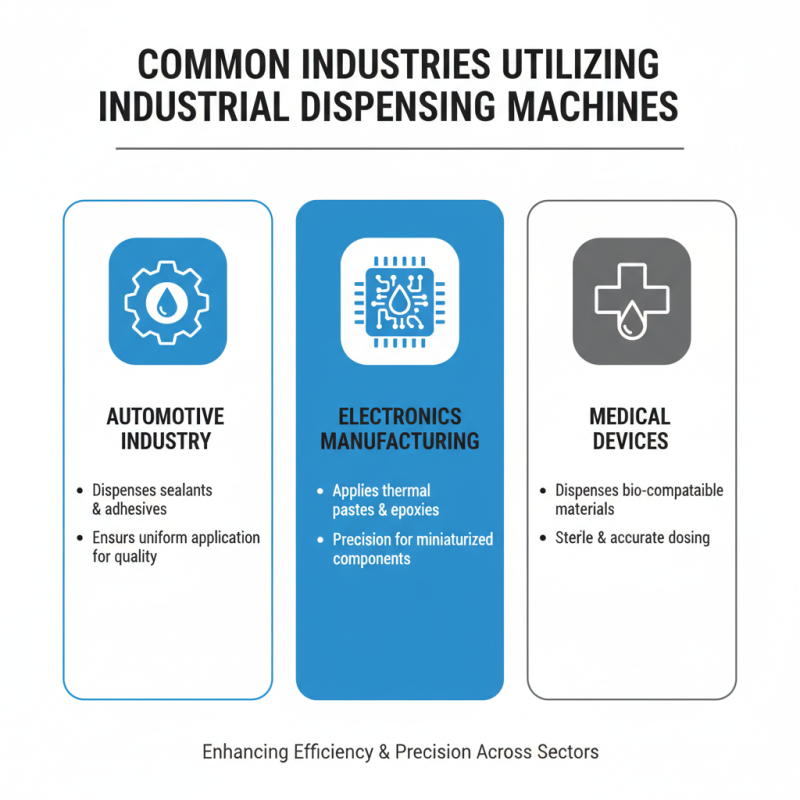
Common Industries Utilizing Industrial Dispensing Machines
Industrial dispensing machines are vital in various sectors, enhancing efficiency and precision. In the automotive industry, these machines dispense sealants and adhesives with accuracy. Quick and consistent dispensing is critical in automotive assembly lines. The need for uniform application has driven manufacturers to adopt this technology for better product quality.
The food and beverage sector also heavily relies on industrial dispensing machines. They are used to measure and dispense ingredients accurately. Consistency in flavor and texture is crucial for consumer satisfaction. Machines help maintain high hygiene standards, minimizing human error. However, these systems are not without challenges. Maintenance and calibration are essential to ensure optimal performance.
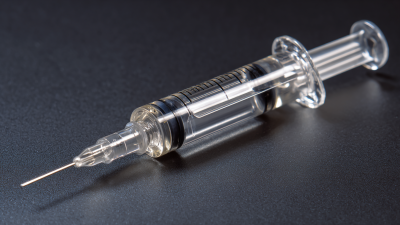
In pharmaceuticals, dispensing machines enhance safety by reducing contamination risks. They automate the packaging of medicines, ensuring precise doses. However, the complexity of these machines may pose operational challenges. Staff training and regular updates are necessary for optimal utilization. Each industry benefits from the precision and efficiency of these machines, yet they require careful management to avoid pitfalls.
Future Trends in Industrial Dispensing Technology
Future trends in industrial dispensing technology are rapidly evolving. These advancements focus on efficiency and precision. Modern dispensing machines are becoming smarter. They utilize advanced algorithms and robotics. For example, the Dispensing Machine Q-6800 features enhanced sensors, allowing for accurate material application. This reduces waste and improves overall productivity.
Automation plays a crucial role in this trend. With the rise of Industry 4.0, interconnected systems will dominate. Machines will communicate in real-time, optimizing processes. However, challenges remain. Not all manufacturers adapt equally to new technologies. Training is essential for staff to fully utilize such systems. Additionally, cybersecurity concerns grow as machines connect online.
Sustainability is another critical focus. Future industrial dispensing technologies aim to minimize environmental impact. Using eco-friendly materials can be beneficial. Yet, sourcing these materials may pose challenges. Each advancement requires careful evaluation and adaptation. As the industry evolves, companies must reflect on their practices to stay competitive.
FAQS
: They automate the dispensing of liquids, powders, or granules in various sectors.
Proper calibration is vital for accurate measurements. Take your time to adjust settings.
Using incompatible materials can lead to inefficiencies and machine damage. Always check compatibility.
Regular cleaning and checks for clogs are crucial. Ignore these and risk inconsistent results.
Train them to identify malfunctions. Empowered operators can address minor issues promptly.
Consistency in flavor and hygiene is vital but can be challenging. Proper maintenance helps mitigate this.
Watch for flow errors, especially in early batches. Document discrepancies for future reference.
Frequent evaluations maintain quality. Neglecting this may lead to poor product outcomes.
It reduces contamination risks and ensures precise medication doses, but training is necessary to avoid complexities.
Vigilance is key. Operators must stay alert to ensure reliability in the dispensing process.
Conclusion
An Industrial Dispensing Machine is a specialized piece of equipment designed to accurately dispense various materials in manufacturing processes. These machines serve multiple purposes, including enhancing efficiency, improving accuracy, and minimizing waste. They are categorized based on their applications, which range from packaging to assembly, reflecting their versatility in various industrial settings. Key components, such as pumps, valves, and control systems, contribute to their functionality.
The operation of an Industrial Dispensing Machine involves a systematic approach, ensuring that materials are dispensed precisely as required. The use of these machines offers several advantages, such as increased productivity and reduced labor costs, making them essential in various industries like automotive, aerospace, and electronics. As technology continues to evolve, future trends in industrial dispensing are likely to focus on automation, smart technologies, and enhanced connectivity, further transforming how materials are managed in manufacturing environments.