Getting a good handle on the different types of Pneumatic Valves is pretty important if you're shopping around, no matter what industry you're in. These little guys play a big role in automation and control systems — they basically control the flow of air or gas, making sure your equipment runs smoothly. Tons of brands like Parker and SMC offer a bunch of options, but honestly, figuring out which one is right for you can be kinda tricky. So, how do you sort through it all?
In today’s fast-moving world, every Pneumatic Valve is designed for a specific purpose. As a buyer, it’s helpful to get a grip on what each valve does and what to look out for. It’s not just about picking a popular brand; it’s about finding something that actually performs well and is reliable. Some companies focus on making top-quality stuff, while others might cut corners here and there. Knowing what you really need can save you from making costly mistakes down the line.
Learning about Pneumatic Valves also means understanding some of the common issues people run into — like compatibility problems or tricky installations. Doing your homework and chatting with experts can really save you headaches. The more you know, the better decisions you can make. To make things easier, I’ve put together a quick run-through of ten types of Pneumatic Valves that everyone should be familiar with. This way, you’ll be better equipped to pick the perfect one for your setup.
Types of Pneumatic Valves: An Overview for Buyers
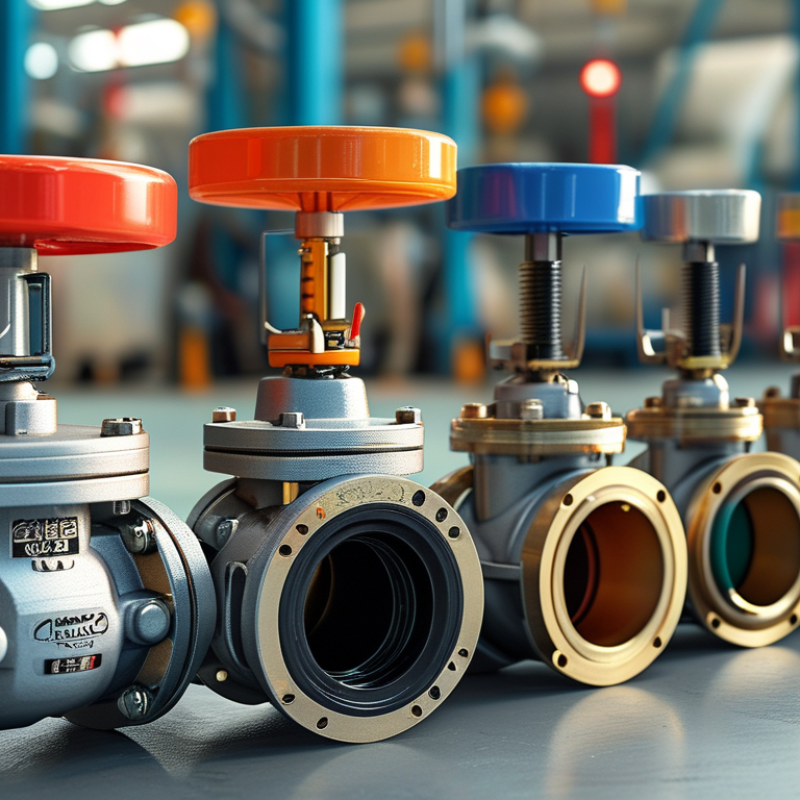
Pneumatic valves are crucial components in various industrial applications. Understanding the different types can significantly influence your purchasing decisions. A basic overview includes directional control, flow control, and pressure relief valves. Each type serves a specific purpose, optimizing system efficiency.
Directional control valves manage the flow direction within pneumatic systems. They can be manually operated or solenoid controlled, offering flexibility. Flow control valves regulate the speed of actuators. They help maintain consistent performance in diverse environments. Additionally, pressure relief valves protect systems from excessive pressure, ensuring safety and reliability.
Buyers should consider not only the functionality but also the compatibility of these valves with existing systems. Experienced professionals often find that not all valves perform equally well under varying conditions. This is an area for reflection. Does the selected valve meet all operational demands? Understanding these nuances will aid in making informed choices.
Top 10 Pneumatic Valve Types: Usage Distribution
Understanding the Functionality of Pneumatic Valves
Pneumatic valves play a crucial role in various industrial applications. They control the flow of compressed air, facilitating automation processes. Understanding how these valves function is vital for any buyer. Different types, like the Pneumatic Flush Valve, offer specific benefits for diverse tasks. Each type has unique operational mechanisms and suitable applications.
When selecting a valve, clarity on its functionality is key. Look for specifications such as operating pressure and material compatibility. Always check for real-world performance. Misunderstandings can lead to equipment failure and safety hazards. For best results, consult experts or resources aligned with current industry standards.
Tip: Regular maintenance of pneumatic valves can enhance longevity. Monitoring for leaks or wear can prevent costly repairs. Lastly, always consider the working environment. Factors like temperature and humidity can impact valve performance significantly. Evaluating these details assists in making informed choices tailored to your specific needs.
Common Applications of Pneumatic Valves in Various Industries
Pneumatic valves are crucial in industries like manufacturing, food processing, and chemical production. They control air flow and pressure, ensuring systems operate smoothly. For instance, in a food processing plant, a Pneumatic Steam Valve can regulate steam flow, impacting cooking efficiency and food safety. Proper valve selection is key to achieving desired outcomes, such as maintaining temperature or pressure levels.
In the automotive industry, pneumatic valves play an essential role in assembly lines. They help in the automation of tasks like painting and welding. These applications demand high reliability and precision for optimal results. Often, engineers face challenges in choosing the right type of valve to meet their specific needs. Sometimes, a pneumatic valve may fail to perform as expected. This can lead to production delays, requiring teams to rethink their initial choices.
Environmental sustainabilityis another growing concern. Pneumatic systems can waste energy if not properly maintained. Regular maintenance checks are necessary to avoid inefficiencies. Utilizing a Pneumatic Steam Valve can reduce steam loss, but awareness of potential failures is crucial.Companies must continuously assess their systems to ensure they operate effectively and economically.
Differentiating Between Normally Open and Normally Closed Valves
Pneumatic valves play a crucial role in automation. Understanding normally open and Normally Closed Valves is essential for effective industrial designs. Normally open valves allow airflow when de-energized, making them useful for applications requiring constant flow. In contrast, normally closed valves stop airflow until activated. This distinction directly impacts system performance and safety.
Those new to pneumatic systems often misunderstand these valve types. A normally open valve can help maintain pressure in a system during a power failure. Yet, it demands careful consideration in emergency scenarios—if not properly managed, it can lead to unwanted flow. Conversely, normally closed valves offer a safeguard against accidental discharges but may introduce complexities in setup and response times.
Choosing between the two types requires a clear understanding of your specific application. Frequently, users overlook site conditions, such as temperature and pressure ranges. These factors can significantly affect valve responsiveness. Evaluating the characteristics of your pneumatic system is vital. Careful selection based on these principles can enhance efficiency and reliability in operations.
Top 10 Pneumatic Valve Types Every Buyer Should Know
| Valve Type | Functionality | Normally Open or Closed | Common Applications |
| Ball Valve | On/off control | Normally Closed | Water supply, gas supply |
| Gate Valve | Fluid isolation | Normally Closed | Pipelines, water control |
| Globe Valve | Flow regulation | Normally Closed | Cooling systems, pressure control |
| Check Valve | Prevent backflow | N/A | Pumping stations, drainage systems |
| Diaphragm Valve | Flow control | Normally Closed | Chemical processing, food industry |
| Solenoid Valve | Automatic control | Can be Normally Open or Closed | Automated systems, irrigation |
| Pinch Valve | Flow regulation for slurries | Normally Closed | Mining, wastewater treatment |
| Butterfly Valve | Flow control | Normally Closed | HVAC systems, water distribution |
| Pressure Relief Valve | Safety overpressure protection | Normally Closed | Boilers, compressors |
| Float Valve | Level control | Normally Closed | Tanks, water level control |
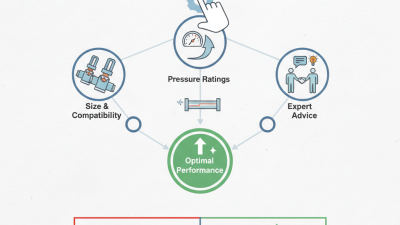
Essential Features to Consider When Buying Pneumatic Valves
When considering pneumatic valves, several essential features come into play. The valve type should match your application requirements. Common types include solenoid valves, ball valves, and gate valves. Each type serves a distinct function and offers specific advantages. It's vital to understand how they operate and where they fit best.
Material selection is also crucial. Pneumatic valves can be made from metals, plastics, or composites. The choice of material directly affects durability and resistance to various environments. For instance, stainless steel offers excellent resistance to corrosion. Consider the operating pressure and temperature ranges too. These factors dictate which valve will perform optimally in your setting.
Don't overlook the importance of valve sizing. An incorrectly sized valve can lead to inefficiency and even failure. It's essential to calculate flow requirements accurately. Lastly, installation and maintenance ease cannot be ignored. Even the best valve can underperform if it’s hard to install or service. Make these considerations a priority when buying.
Maintenance Tips for Ensuring Optimal Performance of Pneumatic Valves
Pneumatic valves are vital for efficient operation in pneumatic systems. Regular maintenance is essential for optimal performance. Check for leaks frequently. Even a small leak can lead to significant air loss, affecting efficiency. Look for any signs of wear on seals and components. Replace parts that show signs of damage.
Cleaning is another important aspect. Dust and debris can accumulate and obstruct functionality. Use a soft brush or compressed air to remove contaminants. Lubrication of moving parts is crucial as well. Without adequate lubrication, Pneumatic Servo Valves can stiffen and slow down operation. Find suitable lubricants that won’t compromise seal integrity.
Regular inspection is key. Schedule routine checks to assess the valve's condition. Keep an eye on actuators and control signals. If the response time starts lagging, there may be an underlying issue. Document any abnormalities for future reference. While maintenance may seem straightforward, it can easily be overlooked. Neglecting regular upkeep can lead to costly repairs or replacements down the line.
Future Trends in Pneumatic Valve Technology and Innovation
Future trends in pneumatic valve technology are set to revolutionize automation and process control. As industries strive for efficiency, the integration of advanced materials has gained traction. For instance, lightweight composites reduce wear, improving durability and performance. The global pneumatic valves market is expected to reach over $9 billion by 2026, according to industry reports.
Another significant innovation is the advent of smart pneumatic valves. These valves come with IoT capabilities, enabling real-time monitoring and predictive maintenance. This technology can lead to a decrease in downtime by up to 20%. Additionally, data analytics allows for precise control and enhances overall system efficiency. Despite these advancements, challenges remain, including the need for standardization across devices and systems.
As automation grows, the demand for specific types of valves increases. A Pneumatic Spool Valve, for example, is vital in controlling air flow in various applications. However, users must carefully assess their needs and the evolving technology landscape. Innovations may not always translate directly into usability or compatibility. Continuous reflection on user needs is essential. The industry is moving fast, but keeping pace is crucial for optimal performance.
FAQS
: The main types include directional control, flow control, and pressure relief valves. Each serves a specific purpose.
They manage air flow direction in systems. They can be manually operated or solenoid controlled.
Compatibility ensures that valves work efficiently with existing systems. Not all valves perform equally under all conditions.
They control air flow and pressure in industries like manufacturing and food processing, impacting efficiency and safety.
Choosing the wrong valve can lead to failures. This may cause production delays or inefficiencies.
Common materials include metals, plastics, and composites. Material affects durability and environmental resistance.
Incorrectly sized valves can lead to inefficiency. Accurate calculation of flow requirements is essential for performance.
Regular maintenance prevents energy waste. It helps ensure systems operate effectively and economically.
The ease of installation and maintenance is vital. Even good valves can underperform if hard to install.
Engineers often struggle to choose the right valve type. Misjudgments can lead to operational issues and failures.
Conclusion
Pneumatic valves play a crucial role in various industrial applications, and understanding their types is essential for buyers. This article outlines the different types of pneumatic valves, emphasizing their functionality and common uses across diverse industries. It highlights the distinction between normally open and normally closed valves, providing insights into their operational mechanisms.
When purchasing pneumatic valves, buyers should consider essential features such as size, pressure ratings, and compatibility with their systems. Additionally, regular maintenance is key to ensuring optimal performance and longevity. The article also touches upon future trends in pneumatic valve technology, suggesting innovations that could enhance efficiency and reliability in automation processes. Overall, a thorough understanding of pneumatic valves empowers buyers to make informed decisions tailored to their specific needs.