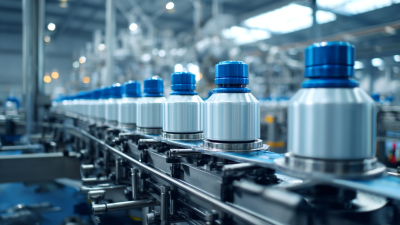
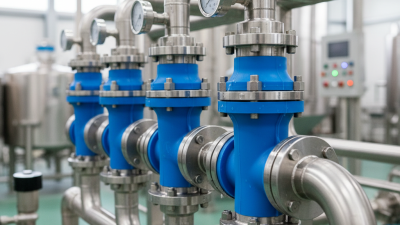
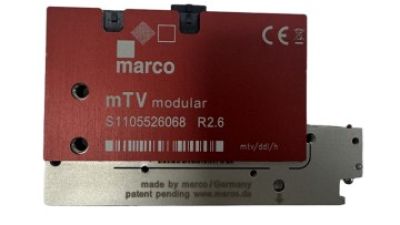
Industrial Dispensing Machines are pretty much a must-have in many manufacturing setups. They play a big role when it comes to dispensing stuff like adhesives, sealants, and coatings with real precision and efficiency. If you look at brands like Graco, Nordson, and APP, you'll notice they’ve developed some pretty innovative tech that's all about boosting productivity and cutting down on waste.
Now, these machines come in all shapes and sizes, each tailored for different jobs. Some have automated controls, which help keep results consistent without much fuss. Others are more manual and super flexible — great for smaller runs or when you need a bit more control. But here’s the tricky part: picking the right one isn’t always straightforward. Things like compatibility with your materials or how much output you need can make the decision a bit complicated.
Getting to know the pros and cons of different models is super important. It helps you find equipment that actually fits your specific needs. Checking out the top 10 industrial dispensing machines out there can give you a good idea of what’s reliable and what might work best for your industry. Each one has its own set of features, so taking the time to see how they match up with what you require really pays off.
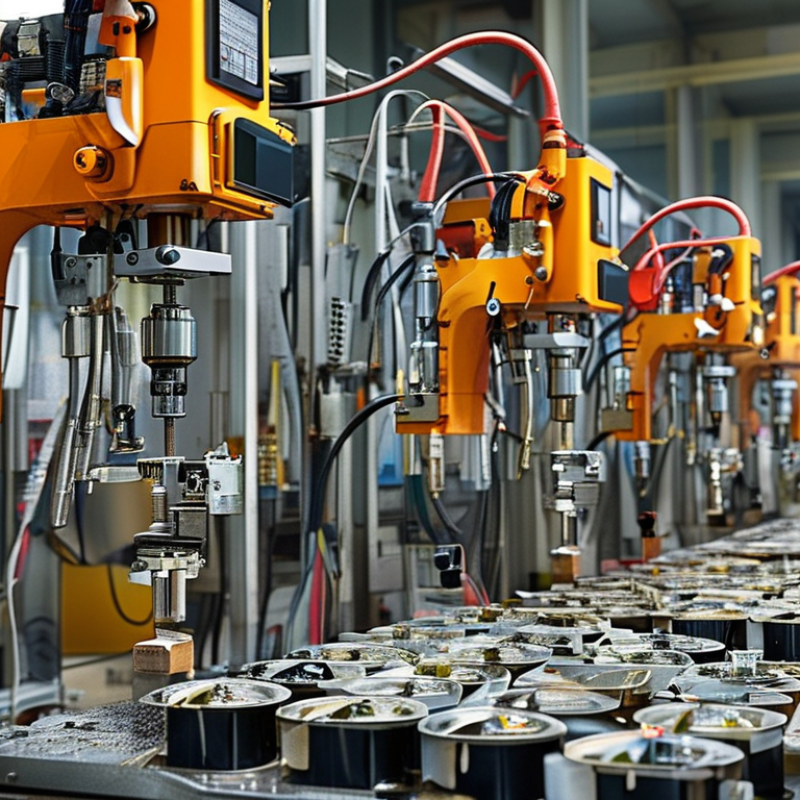
Overview of Industrial Dispensing Machines
Industrial dispensing machines play a critical role in various sectors, ensuring precise application of materials. These machines are designed to handle a wide range of substances, including adhesives, sealants, and coatings. Each application requires specific settings to achieve the best results. For example, the viscosity of the material greatly impacts the dispensing process, affecting speed and accuracy. Observing these factors can prevent costly errors and inefficiencies.
When selecting an industrial coating machine, consideration of the application's nature is vital. A machine that excels in one setting may underperform in another. Downtime can occur due to improper calibration or material mismatch. These challenges emphasize the need for a thoughtful approach to machine selection and usage. Frequent maintenance and regular training sessions for operators also contribute to a smooth workflow, helping avoid potential pitfalls.
Moreover, the industry is evolving. Companies are focusing more on automation and integration with existing systems. This shift can enhance productivity but also brings new learning curves. Adapting to these advancements requires ongoing education and adaptation. As such, relying on experience and collective knowledge within the team becomes essential. Finding the right balance between technology and hands-on expertise is key in optimizing the industrial dispensing process.
Importance of Dispensing Machines in Manufacturing
Dispensing machines play a crucial role in manufacturing sectors, influencing productivity and efficiency. According to a report by Grand View Research, the global market for dispensing equipment is expected to reach $39.56 billion by 2025. This growth highlights the increasing demand for precise material handling solutions across various industries. In production lines, these machines ensure accurate dispensing of adhesives, coatings, and other fluids, minimizing waste and ensuring quality control.
Accuracy matters. A minor error in material dispensing can lead to significant production delays and increased costs. Companies often struggle with calibration and maintenance. Regular checks on equipment can mitigate risks. Approximately 75% of manufacturers report that downtime from dispensing errors directly affects their output. Manufacturers must invest in advanced technology to improve dependability. Automated systems reduce human error yet require ongoing evaluation and adjustment.
Moreover, the integration of Industry 4.0 principles can transform how dispensing machines operate. Real-time monitoring offers insights for immediate corrections. However, not all facilities have adopted these systems. Resistance to change remains a challenge. A 2022 survey noted that 40% of industry leaders feel overwhelmed by new technologies. Bridging the gap between traditional methods and automation is essential for future success.
Key Features to Consider When Choosing a Dispensing Machine
When selecting an industrial dispensing machine, it's essential to focus on key features that align with your specific needs. Precision is crucial, especially when dealing with materials like adhesives and coatings. Variability in viscosity can affect dispensing accuracy, as shown in a report by MarketsandMarkets, indicating that precision-based dispensing systems can enhance efficiency by up to 30%.
Another factor to consider is the machine's adaptability to various substrates. Many industries require machines capable of handling different materials without compromising quality. According to a study published in the Journal of Manufacturing Processes, machines that offer versatility can reduce operational costs by approximately 20%. This adaptability is especially crucial for applications in electronics, automotive, and medical device manufacturing.
Tips: Evaluate the user interface for ease of use. A complex operation can slow down production. Regular maintenance is also necessary. Ignoring maintenance can lead to downtime and costly repairs.
Automation features add significant value as well. They reduce human error and improve consistency. However, reliance on software can introduce challenges. Inadequate training might lead to operational hiccups. Therefore, invest in staff training alongside new machine acquisitions. Aim for systems that balance automation with manual inputs when needed, especially for intricate tasks like industrial PCB coating machine applications.
Top 10 Industrial Dispensing Machines: Key Features Comparison
Top 10 Industrial Dispensing Machines: A Comparative Analysis
Industrial dispensing machines play a crucial role in various sectors, including automotive, electronics, and packaging. These machines ensure precision and efficiency in applying adhesives, coatings, and sealants. Each type has unique features tailored for specific tasks. Understanding these machines' differences can enhance production quality and speed.
When comparing these machines, accuracy, speed, and maintenance are critical factors. Some machines excel in speed but may compromise precision. Others achieve high accuracy but require more frequent maintenance. It's essential to evaluate your production needs carefully. Not every machine suits all applications. A machine that works well in one industry may struggle in another.
Consider your workflow requirements and budget constraints. Not all high-end options guarantee the best results for your specific needs. It's worth pondering the balance between cost and capabilities. Investing in employee training on these machines can optimize their use. This way, you improve performance and minimize wastage during production.
Applications of Dispensing Machines in Different Industries
Dispensing machines play a crucial role across various industries, including automotive, electronics, and food production. In the automotive sector, for instance, these machines efficiently apply adhesives and sealants. According to a report from the Adhesive and Sealant Council, the global demand for adhesives in automotive applications is projected to reach $6.4 billion by 2026. The precision of dispensing systems is vital for ensuring the longevity and performance of vehicles.
In the electronics industry, dispensing machines are used for solder paste application in circuit board assembly. A study by Market Research Future states that the global solder paste market is expected to grow at a CAGR of 5.7% from 2020 to 2027. The accuracy of these machines significantly minimizes defects in solder joints, enhancing product reliability. However, reliance on automated dispensing can lead to overlooked maintenance, which may affect overall efficiency.
In the food and beverage sector, dispensing machines are essential for portion control and hygiene. These machines help reduce food waste and improve consistency in product quality. A survey indicated that 30% of food waste comes from over-portioning in establishments. While advancements in technology have improved dispensing accuracy, the challenge remains in balancing automation with human oversight to ensure optimal results. Machines like the Industrial Solenoid Valve are pivotal in enhancing control and efficiency, yet they necessitate regular evaluations to maintain their effectiveness.
Future Trends in Industrial Dispensing Technology
The landscape of industrial dispensing technology is rapidly evolving. New advancements focus on efficiency and precision. Automated systems are becoming mainstream, allowing for greater consistency in production. As factories demand higher output, the importance of reliable equipment heights. However, with increased automation comes the challenge of maintenance and operational oversight.
Sustainability is key in future trends. Technologies that reduce waste and resource consumption are gaining traction. Energy-efficient industrial dispensing machines help manufacturers operate greener. Furthermore, the integration of smart technologies allows for real-time monitoring and analytics. This enables companies to make informed decisions quickly. There are yet challenges in training personnel to adapt to these new systems.
One emerging area is the Industrial conformal coating system. These systems provide protective layers to electronics in harsh environments, increasing their durability. However, the complexity involves ensuring uniform application. Inconsistent results can lead to product failures. The industry must focus on improving quality control to address these concerns effectively. Balancing innovation with reliability presents a continuous challenge in the realm of industrial dispensing.
Maintenance and Best Practices for Dispensing Machines
Maintaining industrial dispensing machines is crucial for optimal performance. Regular inspections ensure machines operate smoothly. Look for signs of wear on hoses and seals. These parts often degrade over time, affecting precision. Replacing worn components is essential for consistent operation.
Cleaning is equally important. Accumulated residue can lead to clogs and inaccurate dispensing. Schedule regular maintenance to clean all parts, especially nozzles and valves. Utilize appropriate solvents to avoid damaging components. Remember, a well-maintained machine decreases downtime and increases productivity.
Employee training on best practices also plays a vital role. Proper usage not only protects machines but also enhances safety. Ensure operators know how to handle materials correctly. Mistakes result in costly repairs and potential hazards. Regular training sessions can reinforce these practices, fostering a culture of safety and reliability. Emphasizing these details can significantly improve operations.
Optimizing Microphone Dispensing with High-Speed 3250 Solenoids: A Comprehensive Guide to Enhanced Performance and Efficiency
In the realm of microphone dispensing, optimizing performance and efficiency is crucial for achieving superior sound quality and operational effectiveness. The introduction of high-speed 3250 solenoids plays a pivotal role in this optimization process. These solenoids, with a lightweight valve body weighing just 250 grams, allow for nimble action and quick response times, ensuring that microphone systems can operate seamlessly and reliably.
The MDV 3250+FC valve body is designed with precision in mind, boasting dimensions of 92.1mm x 41.5mm x 25mm. This compact size ensures that engineers can integrate the valve easily into various setups without compromising on space or functionality. Complementing the valve body is the MDC 3290+ controller, which measures 128mm x 102mm x 173mm. This controller not only manages the solenoid's operation but also enhances overall system efficiency, allowing for streamlined processes and reduced downtime during production.
By focusing on the combination of lightweight components and optimized controller design, manufacturing environments can experience significant improvements in both performance and productivity. The synergy between the high-speed solenoids and the intricately designed valve body and controller is key to maximizing operational efficiency in microphone dispensing and similar applications, resulting in a more effective workflow and improved product output.
FAQS
: They apply materials like adhesives, sealants, and coatings in various sectors, ensuring precision and efficiency.
Viscosity impacts speed and accuracy. Observing it can prevent costly errors during the dispensing process.
Each machine excels in specific applications. A mismatch may lead to downtime and inefficiencies in production.
Accuracy, speed, and maintenance are critical. Some machines prioritize speed while compromising precision.
Frequent maintenance prevents breakdowns and keeps machinery running smoothly. Neglecting it can lead to performance drops.
Investing in training optimizes machine use, enhancing performance and reducing wastage during production.
They apply adhesives and sealants precisely, improving vehicle longevity and performance.
Over-reliance can lead to overlooked maintenance, which affects efficiency and may cause defects.
They control portions and hygiene, reducing food waste and ensuring consistent product quality.
It's crucial to combine automation with human oversight. This ensures the best results and optimal efficiency.
Conclusion
Industrial dispensing machines play a critical role in various manufacturing processes by ensuring precise and efficient material application. Understanding the key features of these machines, such as accuracy, speed, and ease of use, is vital for selecting the right model for specific industrial needs. The comparative analysis of the top 10 industrial dispensing machines highlights their unique capabilities and applications across different sectors, from automotive to electronics.
As industries evolve, the future trends in industrial dispensing technology indicate a shift toward automation and integration with smart manufacturing systems. Regular maintenance practices can significantly enhance the performance and longevity of dispensing machines, making it essential for users to adhere to best practices. By leveraging the capabilities of modern industrial dispensing machines, manufacturers can achieve greater efficiency, reduce waste, and improve product quality.