A solenoid valve is one of those essential parts in a lot of automated systems. It’s pretty much the gatekeeper for controlling fluid flow and pressure, and knowing how it works is pretty important if you want things to run smoothly in different industries.
So, how does a Solenoid Valve actually work? Honestly, it’s not too complicated. When electrical current runs through the coil, it creates a magnetic field. That magnetic pull then moves a plunger, which either opens or closes the valve. But here’s the thing — this mechanism can sometimes get jammed or fail if dirt or debris sneaks in, which can cause some headaches. That’s why regular maintenance is a total must if you want things to keep functioning properly.
A lot of trusted companies, like Parker Hannifin, use solenoid valves in their gear because they know these little guys help keep things efficient and precise. Still, if you don’t install them right, you might end up with leaks or even big malfunctions. So, it’s really important to have proper training and know-how when setting these up. When done right, a good installation can really boost system performance and save you from unexpected downtime.
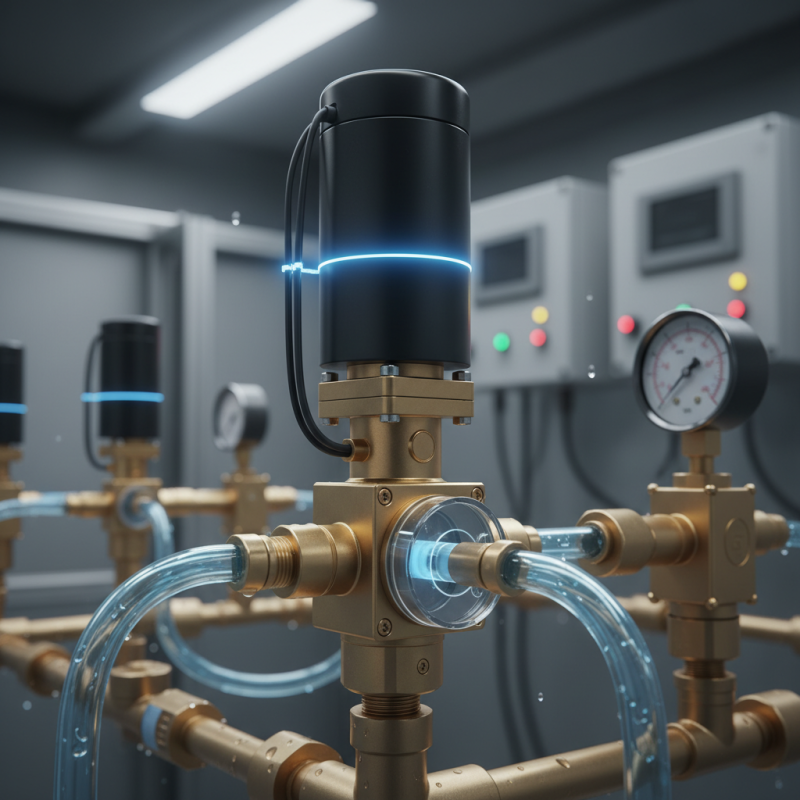
What is a Solenoid Valve?
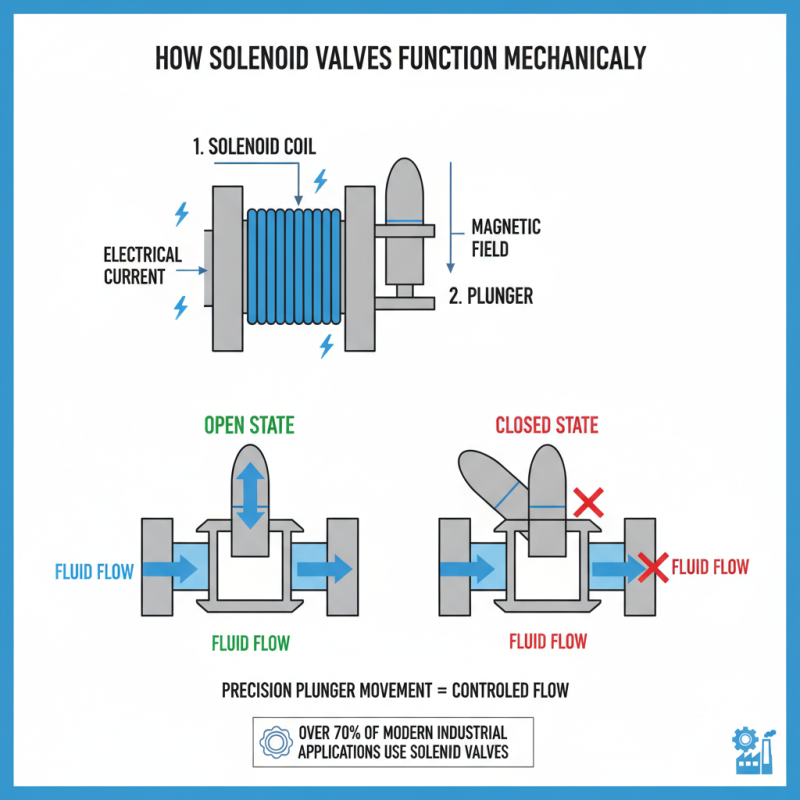
A solenoid valve is an electromechanical device. It controls the flow of liquids or gases. Typically, it uses an electromagnetic solenoid to open or close a valve seat. When the solenoid is energized, it creates a magnetic field. This field pulls on a plunger. The plunger then opens or closes the valve. This functionality allows for automated control of fluid systems.
The design of a solenoid valve can vary. However, the core mechanism remains similar. Some designs might face issues with reliability over time. The Nc Solenoid Valve is a common example. It remains closed when not energized. This feature can be advantageous for maintaining safety in various applications. In some situations, however, it might lead to unintended shutdowns. Users need to regularly check and maintain these valves. Regular inspections help ensure operational reliability.
Solenoid valves are crucial in many industries. They are used in irrigation, automotive, and HVAC systems. Each application demands specific specifications. Understanding how each component interacts is essential. Knowledge about solenoid valves can enhance system efficiency. However, operators must remain aware of their limitations. It’s important to match the valve type to the system requirements.
Solenoid Valve Usage in Different Industries
Basic Components of a Solenoid Valve
A solenoid valveis an electromechanical device used to control the flow of liquids or gases. Its basic components include a Solenoid Coil, a valve body, and a movable armature. The solenoid coil generates a magnetic field when electricity passes through it.This magnetic force is crucial for the valve's operation.
The valve body houses the components and defines the flow path. It is often made of durable materials like brass or plastic. The armature is a key part that moves in response to the magnetic field. When energizing the coil, the armature pulls back and opens the valve. Otherwise, it remains closed, preventing flow.
Understanding these components is essential for effective troubleshooting. If the solenoid coil fails, the entire system may stop working. Sometimes, users overlook proper maintenance. Debris or corrosion in the valve body can restrict flow, leading to inefficiencies. Regular inspections and cleanings are necessary for optimal performance.
How Solenoid Valves Function Mechanically
A solenoid valve functions through a simple yet effective mechanical design. At its core, it consists of a coil of wire, known as a solenoid, which creates a magnetic field when electricity flows through it. This magnetic field then moves a plunger within the valve, either allowing or blocking fluid flow. The precise movement of this plunger is critical. According to industry reports, over 70% of modern industrial applications utilize solenoid valves due to their reliability and efficiency.
In practice, the workings of an Ac Solenoid Valvecan be visually compelling. For instance, when electrical power is supplied, the solenoid activates, and the plunger lifts off its seat, promoting flow. The response time of this mechanism is often less than 100 milliseconds, which is crucial for applications requiring quick actions, such as in automated systems. However, challenges exist. Not all Ac Solenoid Valves respond equally under different pressure conditions. A recent study indicated that a significant percentage fail to perform optimally in varying environments, leading to less reliable operations.
The potential for mechanical wear also poses concerns for users. Over time, repeated movement of the plunger can cause mechanical fatigue, potentially leading to valve failure. Maintenance schedules should account for this factor. Understanding these nuances aids in better application choices and enhances overall system performance. As industries continue to evolve, ongoing assessments of solenoid valve technology are essential for sustainable operations.
Types of Solenoid Valves and Their Applications
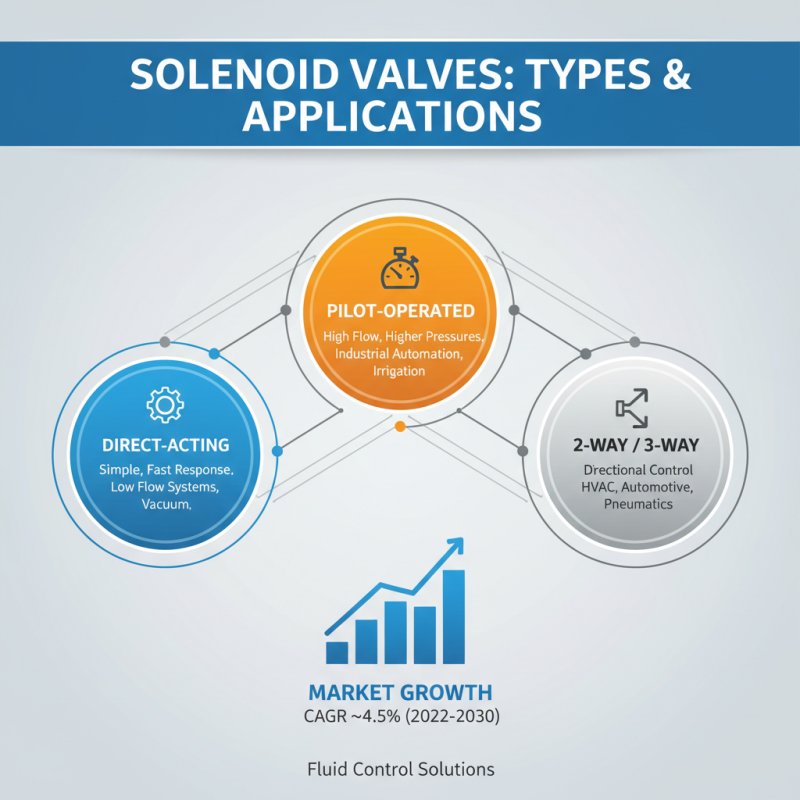
Solenoid valves are integral to various industries, facilitating fluid control in systems like HVAC and automotive applications. There are several types of solenoid valves, each suited for specific uses. The most common types include direct-acting, pilot-operated, and two-way or three-way configurations. According to a recent market analysis, the global solenoid valve market is expected to witness a compound annual growth rate (CAGR) of about 4.5% between 2022 and 2030.
Direct-acting solenoid valves are simple and work by directly controlling the flow. Their compact design makes them ideal for applications requiring quick response times. Pilot-operated valves, on the other hand, utilize a small pilot valve to control a larger valve. This design is advantageous for high-pressure or larger systems, making them more efficient. Two-way valves are used for on/off applications, while three-way valves mix or direct flow in multiple directions. Consider the application needs carefully before choosing a type.
Tip: When selecting a solenoid valve, consider factors like pressure range and compatibility with the fluid. A miscalculation could lead to performance issues.
The Ypc Solenoid Valve is known for its reliability and efficiency in various installations. However, issues may arise from incorrect sizing or improper installation, which can affect overall system efficiency. Regular maintenance and routine checks are essential for optimal performance and extended lifespan.
Advantages of Using Solenoid Valves
Solenoid valves are vital components in various industrial applications. Their benefits are numerous. These valves offer reliable control in fluid systems. They respond quickly to electrical signals, providing efficient regulation. This helps minimize waste and improve system performance. A recent market report shows a 7% annual growth rate in the solenoid valve industry, driven by increased automation across sectors.
Using solenoid valves leads to significant energy savings. A study noted that 30% of energy costs could be cut by optimizing valve systems. This efficiency reduces operational costs. Moreover, solenoid valves are compact and lightweight. Their design allows for straightforward installation and maintenance, which appeals to many industries.
**Tip:** Always ensure proper sizing and specifications for your solenoid valves. Miscalculations can lead to inadequate performance. For example, a poorly sized Dump Valve Solenoid may cause system inefficiencies. It's worth investing time in accurate assessments. Remember that continuous monitoring of valve performance contributes to overall reliability in your system.
Common Issues and Maintenance Tips
Solenoid valves are crucial for automation in various industries. However, they can encounter issues that affect their performance. Common problems include sticking, leaks, and electrical failures. These malfunctions often lead to inefficiencies in systems. Regular maintenance can mitigate these issues and extend the lifespan of your solenoid valves.
To keep solenoid valves in top shape, inspect them frequently. Look for signs of wear, cracks, and corrosion. Don't overlook the importance of cleaning valve surfaces. Debris can easily disrupt the flow. If leaks are present, check the fittings and seals. They might just need tightening or replacing. Additionally, ensure the electrical connections are secure. A loose wire can lead to intermittent failures.
Inconsistent performance is a common complaint. Sometimes, valves work perfectly fine but suddenly fail. It’s vital to track these inconsistencies. They can indicate deeper issues within the system. Consider keeping a maintenance log. Documenting these details helps in understanding patterns and enhancing reliability. Addressing problems proactively saves time and money down the line.
Future Trends in Solenoid Valve Technology
The world of solenoid valves is evolving rapidly. As industries seek to improve efficiency, solenoid valve technology has begun to incorporate smart features. The integration of IoT (Internet of Things) capabilities allows for remote monitoring and control. This advancement enables real-time data collection and analysis, optimizing performance and reducing downtime.
Emerging trends focus on energy efficiency and sustainability. Modern solenoid valves are designed to consume less power, helping businesses reduce their carbon footprint. There is also a shift toward materials that withstand extreme conditions, enhancing longevity. These innovations respond to the growing demand for more reliable components in automation.
However, challenges remain. Some manufacturers may struggle to keep up with these advancements. Not all solenoid valves can easily be upgraded to smart technologies. This gap can hinder efficiency gains. The industry must prioritize education on these new technologies to ensure widespread adoption and use.
Innovative Applications of the 1800S Piezo-electric Valve in UV Adhesive Technology
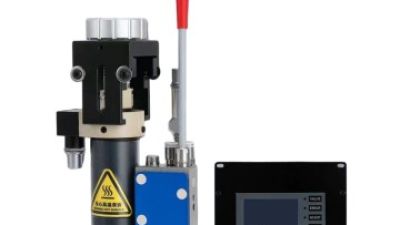
The innovative applications of the 1800s piezo-electric valve in UV adhesive technology have revolutionized the way liquid adhesives are dispensed and cured. With its compact size of 116 mm in length, 72 mm in width, and 32 mm in height, this valve body provides an effective solution for precise adhesive application in various industrial processes. Weighing only 580 grams (excluding the cartridge heater), it allows for easy integration into automation systems, enhancing production efficiency.
One of the standout features of this piezo-electric valve is its capability to handle a wide range of liquid viscosities, from 0 to 500,000 cps, making it suitable for both low-viscosity solvents and high-viscosity adhesives. The valve operates at a maximum frequency of 1200 Hz, enabling rapid cycles that significantly increase throughput. Furthermore, it can operate under a maximum drive voltage of 100%, ensuring reliable performance even in demanding environments. The ability to achieve a minimum single-point diameter of just 0.2 mm allows for extremely precise adhesive application, reducing waste and ensuring optimal bonding results. Additionally, with a heating temperature upper limit of 150°C, this valve is well-equipped to work with a variety of heat-sensitive materials while effectively curing UV adhesives.
FAQS
: A solenoid valve is an electromechanical device that controls liquid or gas flow.
It consists of a solenoid coil, valve body, and movable armature.
The solenoid coil generates a magnetic field when electricity flows through it.
The armature pulls back, allowing the valve to open for flow.
Debris in the valve body can restrict flow, leading to inefficiencies.
Over 70% of modern industrial applications use solenoid valves.
Yes, not all valves perform reliably under different pressure conditions.
The plunger may experience mechanical fatigue over time, risking failure.
The response time is often less than 100 milliseconds.
Users must assess the technology's suitability for their specific applications.
Conclusion
A solenoid valve is an electromechanical device that controls the flow of fluids in various systems. It typically consists of a coil of wire, a plunger, and various mechanical components that work together to open or close the valve when an electric current is applied. The mechanical functioning of solenoid valves allows for quick and precise control, making them ideal for applications in automation, HVAC systems, and irrigation.
There are different types of solenoid valves available, each suited for specific applications, and they offer numerous advantages, such as energy efficiency and ease of integration. However, users should be aware of common issues such as coil burnout or clogging, which can affect the valve's performance. Regular maintenance is essential to ensure optimal operation. As technology advances, we can expect future trends in solenoid valve design to focus on improved durability, smarter controls, and enhanced automation capabilities.