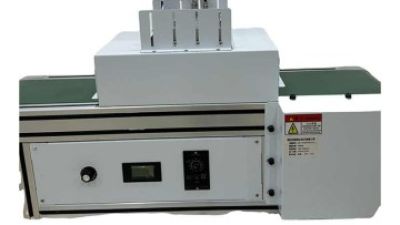
In the fast-changing world of industrial tech, the Point UV Curing Lightreally stands out. It’s this pretty innovative gadget that’s changing the game when it comes to curing processes. I mean, according to Dr. Emily Carter, who’s a top expert at UV Innovations, "Point Uv Curing Lights deliver precision that you just can't get with the old-school methods."
What’s really cool about the Point UV Curing Light is its design—it's made for targeted use, which helps cut down on waste and makes the whole process way more efficient. Unlike those big, broad curing lights, this one lets you focus exactly where you need it. That means faster production times and better quality control. But, honestly, finding that sweet spot between working quickly and doing a thorough job still needs some experience and a bit of technical know-how.
Of course, as the industry moves forward, there are some hurdles. Not everyone adapts easily to new tech, and the learning curve can be pretty steep. Sometimes, you gotta invest in extra training just to get the hang of it. Still, there’s no denying how promising the Point UV Curing Light is. With all the recent advancements, this tool is definitely poised to become a big deal in manufacturing down the line. As more companies jump on board, the idea of boosted reliability and efficiency sounds more tempting than ever.
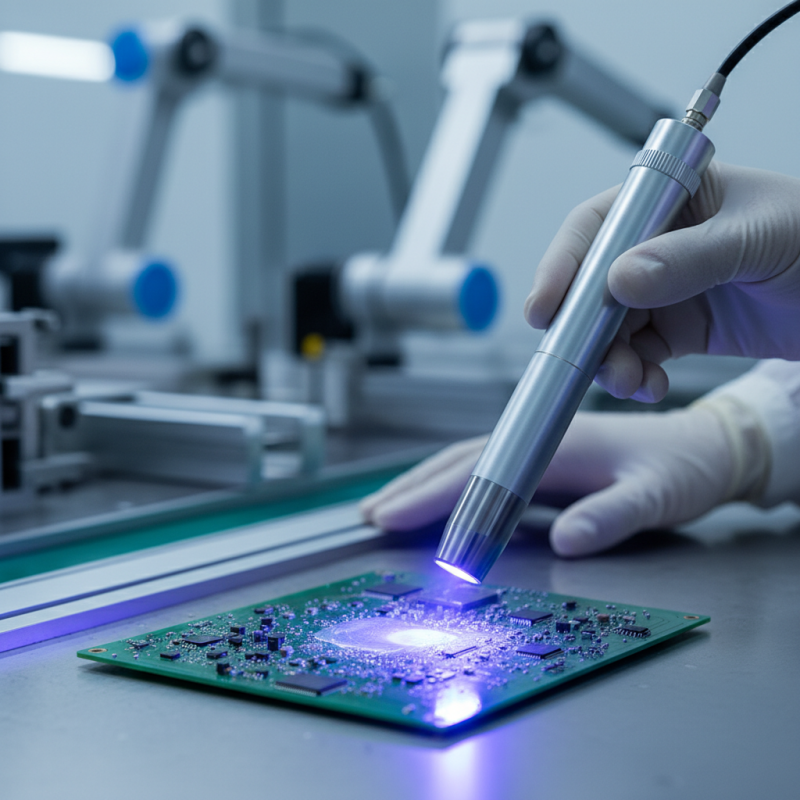
What is Point UV Curing Light?
Point UV curing light is a specialized technology used in various industries, including printing and coating. Its primary function is to cure or harden UV-sensitive materials using ultraviolet light. This process leads to quick drying and strong adhesion, essential for high-quality finishes.
The operation of point UV curing light is straightforward. It emits UV rays that initiate a photochemical reaction. This reaction transforms liquid inks or coatings into solid surfaces almost instantly. As the light hits the material, it triggers a rapid polymerization process. This ensures that products are ready for handling in minimal time. However, choosing the right intensity of UV light is crucial. Too much can damage sensitive materials, while too little may result in incomplete curing.
Efficiency is one of the advantages of point UV curing light. It speeds up production timelines significantly. However, this technology is not without its challenges. Proper maintenance of the curing units is required to ensure consistent results. Additionally, training personnel is vital to prevent costly mistakes during operation.
The Science Behind UV Curing Technology
UV curing technology has become increasingly popular in various industries, including printing, automotive, and electronics. The science behind this technology lies in its ability to use ultraviolet light to initiate a photochemical reaction. When exposed to UV light, specially formulated inks and coatings undergo rapid polymerization, solidifying in mere seconds. Reports indicate that UV curing can enhance productivity by up to 30%, making it an attractive option for manufacturers.
The process involves the use of Point UV Curing Light, which focuses a concentrated beam of UV light at specific points, ensuring uniform curing. This targeted approach minimizes energy wastage and helps achieve precise results. Research from the American Coatings Association suggests that UV-cured coatings show a significantly higher resistance to scratches and chemicals compared to traditional methods. However, achieving optimal results requires careful consideration of lamp intensity and duration of exposure.
While UV curing offers many benefits, it is essential to acknowledge some limitations. For example, the effectiveness of the curing process can be influenced by the substrate's characteristics. Some surfaces may not react as expected, leading to inconsistencies. Additionally, user safety must always be a priority. Ensuring proper protective measures while working with UV systems is vital, as overexposure to UV light can have harmful effects. Balancing these aspects is crucial in leveraging the advantages of UV curing technology effectively.
Understanding UV Curing Technology: Insights on Effectiveness
Components of Point UV Curing Light Systems
Point UV curing light systems rely on specific components to function effectively. One of the key elements is the UV light source. Typically, these sources use high-intensity UV LEDs. They emit light at precise wavelengths, which is essential for curing coatings efficiently. According to industry reports, the use of UV LEDs has increased by nearly 25% in the last five years. This rise is attributed to their energy efficiency and long lifespan.
Another crucial component is the photoinitiator. This chemical compound reacts with UV light to initiate the curing process. Understanding the types and formulations of photoinitiators is vital for achieving optimal curing results. Research indicates that the choice of photoinitiator directly impacts the curing speed and the coating's final properties. It raises questions about compatibility with various substrates.
Lastly, the curing chamber's design cannot be overlooked. It needs to optimize light exposure to ensure even curing across the surface. Manufacturers often encounter challenges when designing these systems, as unequal light distribution can lead to inconsistencies in the curing process. As the demand for Surface Uv Curing Light technology grows, manufacturers must reflect on these nuances. Addressing them can enhance overall system performance and reliability.
How Point UV Curing Light Works: A Step-by-Step Process
Point UV curing light is a fascinating technology used in various industries. Understanding how it works can enhance its application. The process begins when the light source activates a photo-initiator within a UV-sensitive material. This photo-initiator absorbs the UV light and generates free radicals. These radicals cause a rapid polymerization reaction, transforming the liquid material into a solid form.
After the light is directed onto the surface, it cures almost instantly. This rapid curing allows for immediate handling and processing. However, it's crucial to maintain the right distance and exposure time to ensure effective curing. Overexposure can lead to issues, such as brittleness or uneven surfaces. Miscalculating the intensity can ruin a project.
The technology is used in printing, coatings, and even healthcare. Each application demands a different setup. Adjusting the distance and angle of the light source can significantly affect the outcome. Some users may struggle to find the ideal settings. This experimentation is part of the learning process.
With practice, users become more adept at achieving the desired results. The blend of science and art in this technology is both challenging and rewarding.
Applications of Point UV Curing in Various Industries
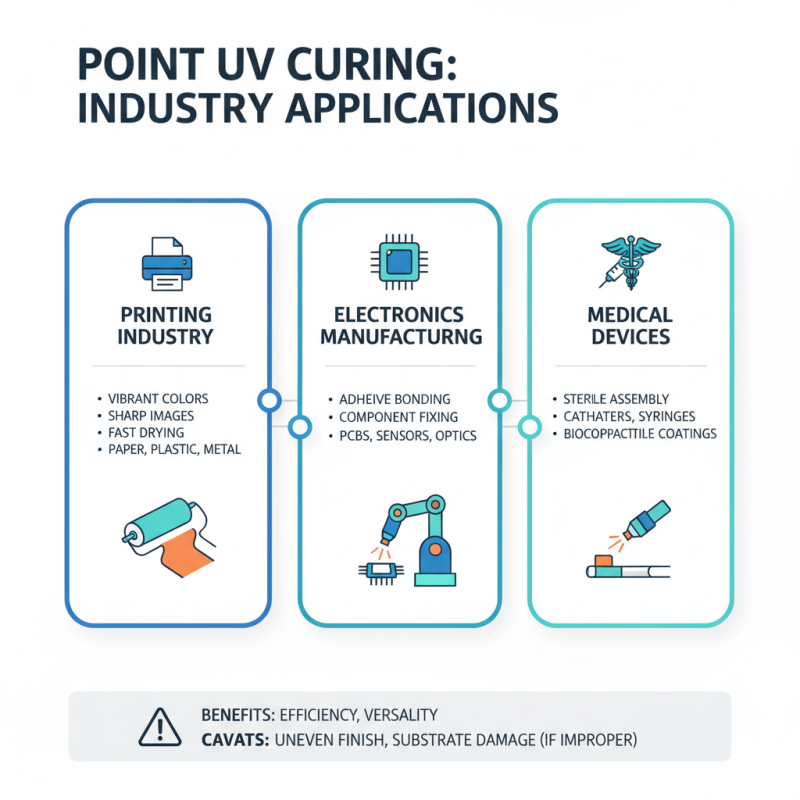
Point UV curing lights have gained traction across various industries due to their efficiency and versatility. One prevalent application is in the printing sector. UV curing technology helps in producing vibrant colors and sharp images on materials such as paper, plastic, and metal. The quick-drying capability allows for faster production timelines, but improper application can lead to issues like uneven finish or potential damage to delicate substrates.
In the automotive industry, Point UV curing is utilized for coatings and finishes. These lights provide a durable layer that enhances the aesthetic of vehicles while offering resistance to scratches and chemicals. However, achieving the perfect balance in film thickness can be challenging. In some cases, too much exposure can affect the integrity of the coating, leading to a need for adjustment and refinement.
Another significant area is electronics, where Point UV curing lights are used for adhesion and protective coatings. They ensure robust connections and durable surfaces in circuits and components. Yet, the technology requires precise handling. Misalignment can lead to defects or weaknesses in the assembly. Each application highlights the promise of Point UV curing technology but also presents opportunities for ongoing improvement in execution and technique.
Advantages of Using Point UV Curing Light
Point UV curing lights are revolutionizing various industries, especially in printing and coatings. One of the most significant advantages is efficiency. A study by Smithers Pira highlighted that UV curing can increase production speeds by up to 50%. This increase in speed enables businesses to meet tight deadlines without sacrificing quality.
Another critical benefit is the reduction of harmful emissions. Unlike traditional curing methods, Point UV curing lights emit low VOCs (volatile organic compounds), contributing to a more sustainable environment. The American Coatings Association reports that UV curing can significantly lower material waste by up to 30%. This not only helps the planet but also reduces costs for manufacturers.
However, it's worth noting that proper training is essential for optimal use. Many operators underestimate the power of UV light, which can lead to inconsistency in curing. Reflecting on this, companies should invest in comprehensive training programs. While the technology offers numerous advantages, understanding it thoroughly is crucial for maximizing its benefits.
Safety Considerations When Using UV Curing Systems
When using UV curing systems, safety is paramount. Exposure to UV light can pose risks such as skin burns and eye injuries. According to the American National Standards Institute (ANSI), significant precautions must be taken. Proper protective gear, including gloves and UV-blocking eyewear, is essential to minimize these risks.
Another concern is the emission of ozone during UV curing processes. The Occupational Safety and Health Administration (OSHA) suggests adequate ventilation to reduce exposure. In confined spaces, ozone levels can rise quickly, potentially causing respiratory issues. It’s crucial to monitor air quality regularly. Many companies invest in air purification systems to address this risk.
Training staff on effective safety protocols is vital. Knowledge about safe operation reduces accidents. Studies show that organizations with robust training programs see a 30% decrease in workplace injuries related to UV emissions. Further, regular safety audits can help identify areas needing improvement. Continued evaluation fosters a culture of safety that prioritizes employee well-being.
What is Point UV Curing Light and How Does It Work? - Safety Considerations When Using UV Curing Systems
| Dimension | Value |
| Curing Method | Point UV Curing |
| Wavelength Range | 200 - 400 nm |
| Typical Applications | Printing, Coating, Adhesives |
| Curing Time | Seconds to minutes |
| Safety Considerations | Eye Protection Required, Skin Exposure Risks |
| Ventilation Requirement | Good Ventilation Necessary |
| Power Consumption | Varies by system, typically low |
Enhancing R&D Efficiency: A Comprehensive Guide to Lab-Grade Precision Desktop UV Curing Ovens
In the realm of research and development, achieving precise results is paramount, especially when it comes to manufacturing processes involving adhesives and polymers. Lab-grade precision desktop UV curing ovens have been engineered to elevate R&D efficiency significantly. These ovens are equipped with sophisticated 360-degree LED arrays that allow for wavelength selection between 254nm and 405nm, ensuring optimal curing conditions for a variety of materials. The inclusion of a quartz turntable with adjustable speeds from 1 to 10 RPM facilitates even and thorough curing of 3D parts, a critical aspect when aiming for minimal post-cure deformation.
One of the standout features of these ovens is their IoT connectivity, enabling remote monitoring via WiFi. This functionality provides researchers with real-time data and control, streamlining workflows and enhancing productivity. Additionally, a comprehensive material database with presets for over 50 different adhesives simplifies the setup process, allowing users to focus more on innovation rather than procedural complexities. With applications in fields such as dental aligners, where post-cure deformation remains below 2%, this lab-grade equipment represents a significant advancement in achieving reliable and reproducible results in R&D environments.
FAQS
: Point UV curing light is a technology that uses UV light to harden materials.
The light activates a photo-initiator that generates free radicals, leading to rapid polymerization.
Point UV curing is used in printing, automotive, and electronics industries for various applications.
Overexposure may cause brittleness or uneven surfaces, affecting the final product quality.
The right distance influences how effectively the light cures the material, impacting the outcome.
Users might struggle to find ideal distance and angle for optimal results. This requires experimentation.
Quick curing allows for faster handling and processing, enhancing overall production efficiency.
Achieving the right film thickness is crucial; too much exposure can compromise coating integrity.
It's used for adhesion and protective coatings but requires precise application to avoid defects.
Success requires a blend of science and practice; ongoing refinement is essential for better outcomes.
Conclusion
Point UV Curing Light is an innovative technology that facilitates the rapid curing of inks, coatings, and adhesives using ultraviolet light. At its core, this process relies on the science of UV curing technology, which utilizes photochemical reactions to initiate polymerization. A Point UV Curing Light system typically comprises a UV lamp, a reflector, and various electronic components that work together to produce a controlled light output.
The operation of Point UV Curing Light involves a step-by-step process where UV light is directed onto a surface, activating the curing agents in the material. This technology finds extensive applications across various industries, including printing, automotive, and electronics due to its many advantages, such as faster processing times and reduced energy consumption. However, safety considerations must be adhered to when using UV curing systems to ensure the well-being of operators and the environment.