Leave Your Message
- Phone
- E-mail
- Whatsapp

- Whatsapp

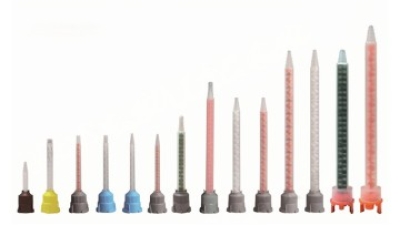
In the fast-changing world of industrial fluid management, making the adhesive mixing process as efficient as possible is pretty much essential if companies want to stay competitive. Lately, new technologies like the Static Mixer Nozzle have really changed the game—they've made mixing more consistent and way faster. Industry reports suggest that the need for smarter, more efficient adhesive mixing solutions is expected to grow at around 6.3% annually over the next five years. That really shows just how important it is to have the right equipment.
Shenzhen Anyco Automation Equipment Co., Ltd., a well-known high-tech company founded in 2013, focuses on developing and manufacturing state-of-the-art automated fluid control systems. By using the latest Static Mixer Nozzle tech, Anyco is working hard to boost operational efficiency and keep adhesive applications consistent. They're aiming to stay ahead of the curve in automation and better serve clients across various industries.
So, have you heard about the latest in adhesive mixing technology? Static mixer nozzles are actually a pretty game-changing solution when it comes to making industrial processes more efficient and cutting down on waste. Funny enough, this cool innovation came out of a university class at the University of Wisconsin-Madison — they’ve really knocked it out of the park with this one. Basically, by using these static mixers, companies can streamline how they mix adhesives, which can cut material waste by up to 30%. Plus, it helps make the final product more consistent and higher quality, which is a big win all around.
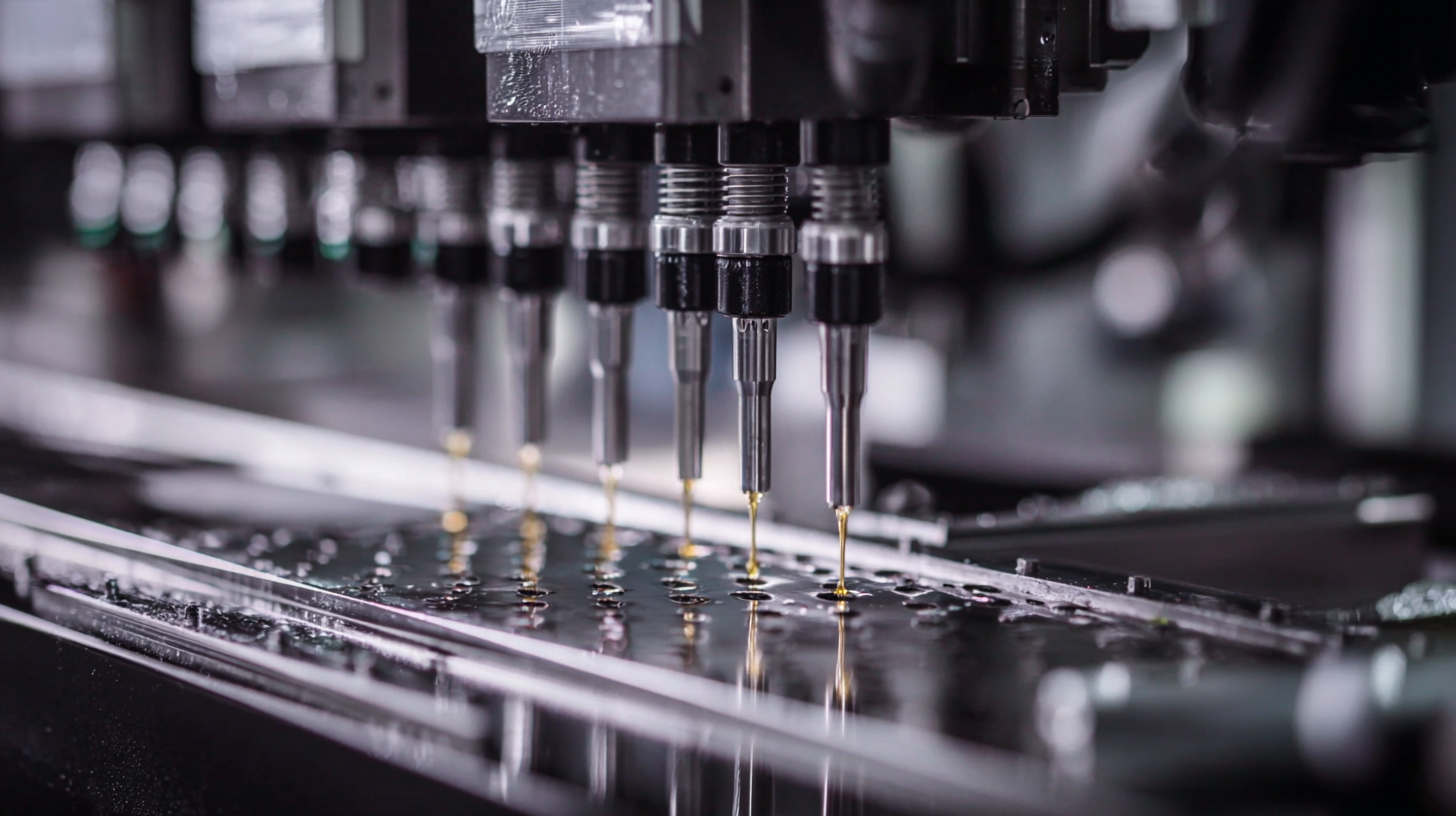
What’s neat about these static mixers is that they don’t have any moving parts at all! They rely on the flow of the materials themselves to get everything mixed evenly. That means less energy used—no need for fancy motors—and it also speeds up the whole process, so production lines get moving faster. Industry folks are seeing that better mixing not only saves time but also boosts the strength of bonds—something super important in fields like aerospace and auto manufacturing where precision really matters. And, it’s not just about speed or quality; more companies are jumping on board with static mixer nozzles because they fit into the bigger picture of being more eco-friendly and sustainable. Pretty exciting times for sure!
Industrial dispensing Static Mixing Tubes play a crucial role in various manufacturing processes, ensuring that materials are properly mixed before application. With a wide range of applications, including adhesives, coatings, and sealants, selecting the right type of mixing tube is essential. According to a recent industry report, properly selected mixing systems can enhance product consistency by up to 20%, minimizing waste and maximizing efficiency in production lines.
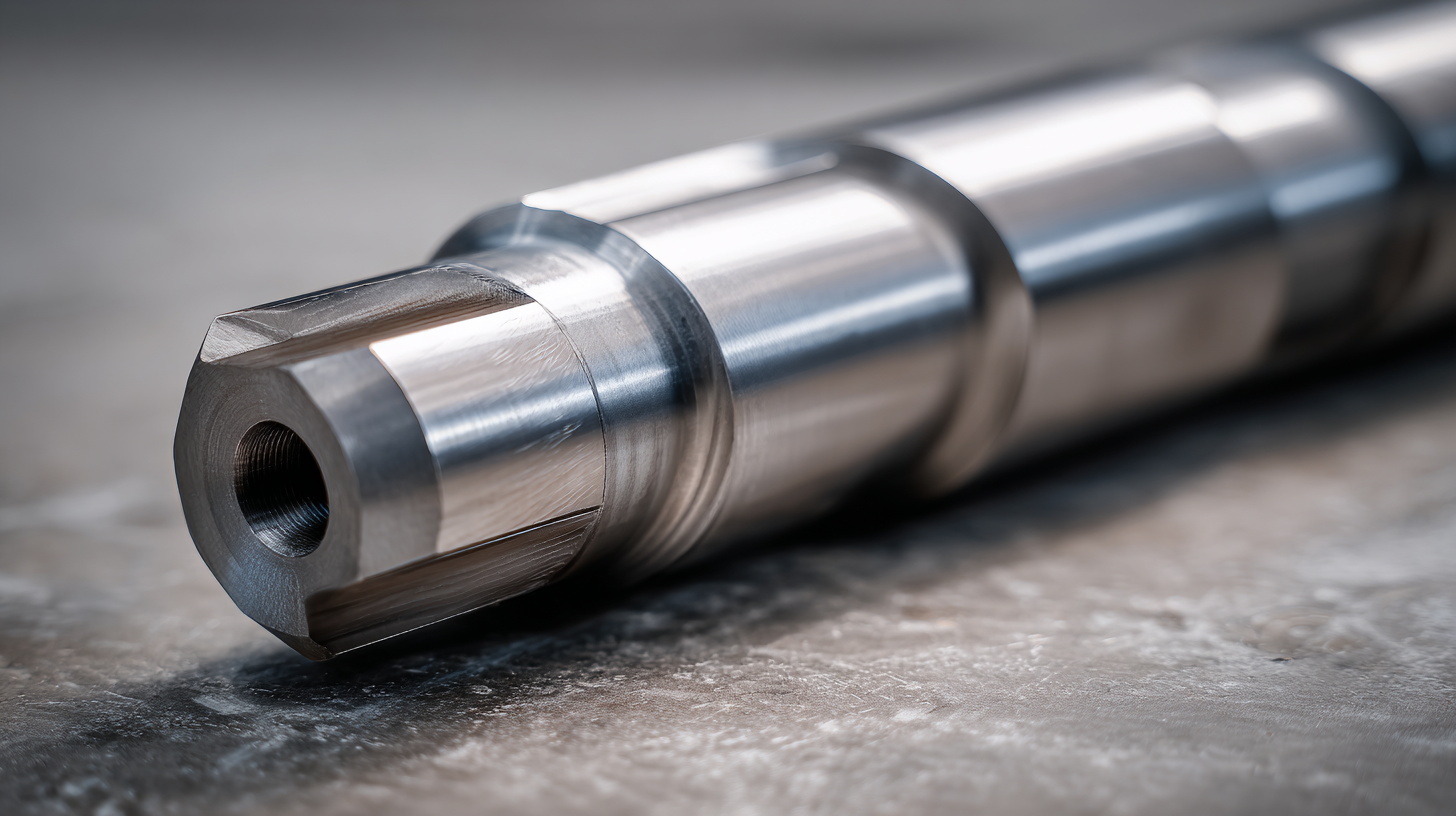
Material options for static mixing tubes significantly impact their performance and usability across different industrial settings. Polypropylene (PP) tubes are ideal for disposable applications, offering chemical resistance at operating temperatures up to 80°C. This makes them suitable for low-temperature processes where cost-effectiveness is key. On the other hand, stainless steel 316L tubes provide a reusable solution that can withstand higher temperatures, up to 250°C, and are autoclave-safe, making them perfect for critical applications in the pharmaceutical and food industries. The longevity and durability of stainless steel help in maintaining consistent mixing quality over time.
Additionally, PTFE-lined tubes are exceptional for working with silicone and urethane adhesives, as their non-stick properties prevent material buildup and ensure smooth dispensing. As a result, manufacturers can achieve a higher level of precision and reduce downtime associated with cleaning and maintenance. Choosing the right material based on application requirements not only provides optimal mixing performance but also contributes to overall operational efficiency and cost savings.
: Static mixer nozzle technology is a method that operates without moving parts to achieve uniform mixing by relying on the flow of materials. It enhances the efficiency of adhesive mixing processes, minimizing energy use and reducing cycle times.
Static mixer technology can reduce material waste by up to 30%, improve product consistency and quality, and enhance bond strength, which is crucial in precision-dependent industries like aerospace and automotive manufacturing.
The efficiency of the mixing method significantly influences bond strength; optimal mixing conditions can potentially increase adhesion performance by up to 30%, which is vital for applications requiring strong and reliable bonds.
The innovative design of static mixer nozzles can reduce mixing time by 50% while enhancing the uniformity of the adhesive blend, leading to improved quality and streamlined production processes.
Key factors include mixing method, viscosity, and residence time, all of which play a critical role in determining the effectiveness and strength of the adhesive bond.
By carefully selecting resin and hardener ratios, and incorporating additives like thickeners or surfactants, formulators can improve adhesive flow characteristics, minimizing air entrapment and creating a smoother application.
Static mixers facilitate continuous mixing, ensuring a homogeneous blend with minimal maintenance needs and contamination risks, which complements the benefits of optimal adhesive formulation techniques.
The growing adoption of static mixer nozzles aligns with the trend towards sustainability, as companies are increasingly seeking environmentally friendly methods to optimize production processes.
By decreasing cycle time and requiring less energy for mixing, static mixer technology can lead to faster production rates, improving overall operational efficiency.
Industries such as aerospace and automotive manufacturing benefit significantly because of their need for strong, reliable bonds and high-quality adhesive applications.
The article titled "Maximize Efficiency in Adhesive Mixing with Innovative Static Mixer Nozzle Technology" dives into the real perks that Static Mixer Nozzle tech can bring to the adhesive mixing game. It takes a closer look at what really affects adhesive performance and shows how these new nozzles can actually do a better job than old-school mixing methods — think more consistent results and higher efficiency. Plus, it digs into how the flow inside these static mixers works and how that can seriously boost the quality of the mix.
Besides that, the piece also shares some handy tips on how to formulate adhesives to make the most out of these nozzles, ensuring everything runs smoothly and efficiently. There are even some real-world case studies that showcase how this technology has been successfully used across different adhesive projects. With Shenzhen Anyco Automation Equipment Co., Ltd., pulling the strings in automated fluid control, the insights from this article could really help manufacturers step up their game and adopt cutting-edge mixing tech to get better product performance.