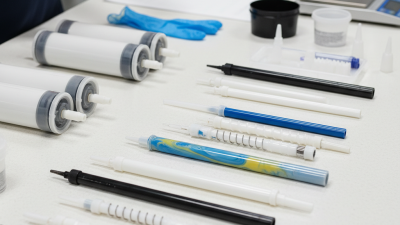
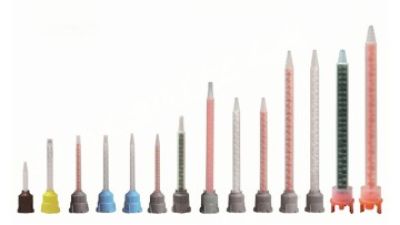
Picking the right Epoxy Mixing Tube can really make or break your project. I mean, John Stevens, who’s been in the adhesive game for over 15 years, always points out, 'Using the correct mixing tube keeps things consistent and ensures your epoxy turns out just right.' His advice just goes to show how important it is to choose the right tools for the job.
Honestly, a lot of folks tend to overlook the details when it comes to choosing an Epoxy Mixing Tube. Size, shape, material—sounds simple, but trust me, these little things matter a lot more than you’d think. A well-made tube can actually boost your epoxy’s strength, while going with the wrong one might lead to some weak spots in your project.
It’s super important to think about what you’re actually using the epoxy for. Different jobs call for different types of mixing tubes. There are so many options out there, and it’s easy to get overwhelmed. Skimping on quality or making the wrong pick could leave you pretty disappointed. Taking a bit of time to understand what you really need can lead to way better results. Honestly, the right epoxy mixing tube isn’t just some detail you can ignore—it’s a key part of making sure your project turns out great.
Choosing the Right Epoxy Mixing Tube: An Overview of Options
When selecting an epoxy mixing tube, there are various factors to consider. The right choice can enhance the quality of your project. Different mixing tubes have unique features, making them better suited for specific applications. Focus on material, size, and design when evaluating your options.
A key choice is between disposable and reusable tubes. Disposable options are practical for small projects. They eliminate cleanup time. Reusable tubes can be efficient for larger projects. However, they require thorough cleaning after each use. Consider your project's scale and frequency when deciding.
**Tips:** Always check for compatibility with your epoxy type. Using an Inline Mixing Tube ensures better consistency. Proper mixing is crucial for optimal adhesion and curing. Regularly assess your tube's condition. Frayed or damaged tubes may affect performance. Invest time in finding the right tube to improve your outcomes.
Epoxy Mixing Tube Selection: Features and Preferences
This chart illustrates the perceived importance of various features when selecting epoxy mixing tubes. The data highlights key attributes such as length, diameter, capacity, price, and flexibility, showcasing the priorities of users in choosing the best mixing tube for their specific needs.
Understanding Epoxy Types and Their Compatibility with Mixing Tubes
When choosing an epoxy mixing tube, understanding the types of epoxy available is crucial. Epoxy formulations can vary significantly. Some are designed for high-strength bonding, while others may offer flexibility or resistance to environmental factors. According to a recent industry report, nearly 70% of users experience compatibility issues when selecting mixing tubes that do not align with their epoxy's chemistries.
Different mixers interact with epoxy materials in various ways. For example, a rigid tube may not be suitable for a flexible epoxy. This mismatch can lead to improper mixing or even negatively affect the final product's performance. Recent studies show that over 30% of users reported adhesive failures due to improper mixing equipment. Those failures underline the significance of matching the mixing tube with the specific characteristics of the epoxy.
Another point to consider is the tube's material. Some tubes may not endure the chemical reactions occurring during mixing. For instance, polyethylene might not work well with certain hardeners, leading to tube deformation. Data from industry surveys indicate that 25% of users have faced issues due to tube material incompatibility. Matching your mixing tube's material with your epoxy is not just a suggestion; it’s essential for achieving the desired results.
Key Specifications to Consider When Selecting Epoxy Mixing Tubes
When selecting epoxy mixing tubes, it's crucial to consider several key specifications. The diameter of the tube affects how easily the epoxy flows. A wider diameter allows for better mixing, but may be cumbersome for precision applications. On the other hand, narrower tubes can facilitate control but may restrict the flow, leading to incomplete mixing.
Additionally, the length of the tube should match your project needs. Shorter tubes offer more convenience for small jobs. However, longer tubes provide the ability to mix larger volumes at once. The material of the mixing tube can also impact the mixing process. Some materials resist chemicals better than others, ensuring that the integrity of the epoxy is maintained during mixing.
Lastly, consider the design features. Some tubes come with unique designs that enhance mixing efficiency. Some users find these designs helpful, while others may feel they complicate the process. It’s beneficial to test different options to find what suits your techniques. Ultimately, reflecting on your specific needs is essential.
Analyzing the Impact of Tube Material on Mixing Efficiency
When it comes to choosing the right Static Mixing Tube, material plays a crucial role in mixing efficiency. Studies indicate that tubes made from high-quality plastics provide smoother mixing than metal alternatives. This is significant, as inefficient mixing can lead to improper curing of epoxy, which affects bond strength. According to industry reports, using the right tube material can improve mixing uniformity by up to 30%.
Moreover, the diameter and length of a Static Mixing Tube can influence flow rates. A wider tube allows for faster flow, but it may compromise mixing quality. Engineers often recommend a balance between tube dimensions and material type for optimal results. Research shows that a properly designed static mixing tube can enhance production rates and reduce waste by nearly 15%.
Choosing the right material requires consideration of the epoxy type as well. Some epoxies are sensitive to chemical interactions. Using the wrong tube material can introduce undesired reactions. Data reveals that material compatibility directly impacts the final properties of the cured epoxy. User experiences often highlight a learning curve in selecting the best mixing tube. Each project may require unique adjustments, emphasizing the need for continual evaluation.
Evaluating Mixing Tube Sizes for Optimal Resin and Hardener Ratios
When working with epoxy, the mixing tube size can significantly impact the outcome. Professionals recommend selecting a tube based on the total volume of resin and hardener. For instance, a 50-milliliter tube often suits smaller projects. In contrast, larger applications may require tubes with capacities reaching 500 milliliters. A study indicated that using the correct tube size can improve mixing efficiency by 30%.
Understanding the optimal resin and hardener ratios is crucial. The standard ratio for Two-Component Epoxy Glue is often 1:1 or 2:1. A mismatched ratio could lead to incomplete curing. Research shows that improper mixing can reduce strength by up to 40%. Thus, precise measurements are essential. Moreover, consider the viscosity of the materials. Thicker resins may require wider tubes for proper flow.
Choosing the right mixing tube is not just about volume. It is essential to consider the application technique too. Some users reported challenges in achieving a uniform mix with narrow tubes. Refining your technique can help. Always measure carefully. Watch for inconsistencies in your results. Identifying these patterns can help improve future projects.
Professional Recommendations: Top Brands and Models of Mixing Tubes
When selecting the best epoxy mixing tubes, it's important to focus on quality and compatibility. Research shows that Precision Glue Mixing Nozzles can significantly improve the effectiveness of your epoxy application. These nozzles ensure a consistent mix of resin and hardener, leading to stronger bonds. Recent industry data indicates that using the right mixing tube can enhance adhesion by up to 30%. This is a key factor for professionals in construction and repairs.
Popular models of mixing tubes often feature unique design aspects. For example, tapered tips allow for precision delivery of mixed epoxy. Some tubes are designed with clear viewing strips to visually assess the mixture. This transparency helps to identify any potential issues before application. A study by the Adhesive and Sealant Council highlighted that accurate mixing is crucial for structural integrity. Mixing tubes that facilitate a thorough blend contribute significantly to overall project success.
However, not all products are perfect. Some users report that certain mixing tubes can create excessive waste due to their design. Others find that achieving the right mix can still be challenging without proper training. It’s essential to choose products that come with thorough instructions and relevant usage data to avoid pitfalls in application. Understanding these nuances can lead to improved outcomes for both DIY enthusiasts and professionals in the industry.
Cost-Effectiveness: Balancing Quality and Budget in Epoxy Mixing Tools
When selecting epoxy mixing tubes, cost-effectiveness is crucial. A balance between quality and budget can lead to better project outcomes. High-quality tubes offer precision. They ensure a thorough mix, reducing waste and improving results. However, premium prices can be off-putting for some users.
Consider your specific needs. Are you a hobbyist or a professional? Hobbyists might prioritize affordability. Professionals often value durability and reliability. While cheaper options exist, they may not perform well. Lower-cost tubes may warp or degrade faster. This can lead to inconsistency in mixing.
Reflect on your usage patterns. If you mix epoxy regularly, investing in higher-quality tubes could be worth it. They might save time and resources in the long run. Sometimes, the cheapest option leads to trouble. Assess how often you will use them. Think about the volume of projects. Quality tools can elevate your work significantly.
Maximizing Efficiency in Industrial Applications: Insights from Recent Data on Static Mixing Tube Performance and Dispensing Solutions
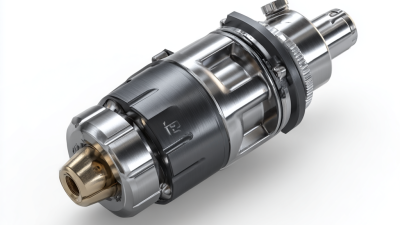
In the quest for maximizing efficiency in industrial applications, recent data on static mixing tube performance reveals critical insights into material selection and design. Static mixing tubes play an essential role in ensuring optimal mixing and dispensing of various materials, which is crucial in processes involving adhesives, coatings, and sealants. Industry reports highlight that using the right materials can significantly enhance product quality and process efficiency.
Polypropylene (PP) stands out as a disposable option that offers robust chemical resistance and is suitable for temperatures ranging from 0-80°C. Its application is particularly advantageous in scenarios requiring frequent product changes, as it eliminates the downtime associated with cleaning reusable equipment. Meanwhile, Stainless Steel (316L) is a preferred choice for applications necessitating rigorous sterilization processes thanks to its autoclave-safe properties. Its thermal resistance, operational up to 250°C, allows for high-temperature applications while maintaining structural integrity.
Moreover, the PTFE-lined mixing tubes present a non-stick solution particularly effective for silicone and urethane adhesives, which can be notoriously difficult to handle due to their viscous nature. The use of PTFE significantly reduces material waste and cleanup time, further enhancing the operational efficiency of industrial processes. As manufacturers continue to seek innovative dispensing solutions, choosing the right static mixing tube based on material properties becomes paramount for achieving optimal performance and cost-effectiveness.
FAQS
: Focus on the material, size, and design of the tube. Each feature affects your project's quality.
Disposable tubes are practical for small projects. They save time on cleanup and can reduce hassle.
Reusable tubes are useful for larger projects. However, they require thorough cleaning, which can be time-consuming.
Select the tube size based on your resin and hardener volume. A 50-milliliter tube is ideal for smaller tasks.
Using an incorrect size can reduce mixing efficiency. This may affect the final results significantly.
The standard ratio is critical for proper curing. A wrong ratio can lead to reduced strength and durability.
Take time to refine your mixing process. Watch for inconsistencies and adjust your approach accordingly.
Frayed or visibly damaged tubes can affect performance. Regular checks can help maintain quality in your projects.
Yes, thicker resins may need wider tubes. This helps ensure proper flow and mixing consistency.
Regular assessment helps catch issues early. It’s better to identify potential problems than to face poor project outcomes later.
Conclusion
When selecting the best Epoxy Mixing Tube for your needs, it is essential to consider various factors outlined in this guide. First, understanding the compatibility between different epoxy types and their corresponding mixing tubes is crucial to ensure optimal reactions and results. Key specifications, such as diameters and lengths, play a significant role in achieving the desired resin and hardener ratios.
Additionally, the material of the mixing tube can dramatically influence mixing efficiency, affecting the quality of your final product. Evaluating various sizes helps balance the necessary quantities of components efficiently. This article also emphasizes the importance of finding a cost-effective solution, ensuring you get quality tools without overspending. Ultimately, a well-chosen Epoxy Mixing Tube can greatly enhance your project outcomes and streamline the mixing process.