When it comes to the industrial world, valves and actuators really are a big deal. These little devices are essential for controlling the flow of liquids and gases, making sure everything runs smoothly and safely across different applications. If you're a buyer somewhere around the globe, getting a good handle on how they work is super important—you want reliability and top-notch performance, after all.
Throughout this guide, I’ll walk you through the key points you need to keep in mind. Let’s be honest, sometimes there’s a lot of info out there, and it’s easy to get confused. Things like whether the parts are compatible, what kind of technology they use, or how much maintenance they need—these things can seriously impact your decision. I’ll also point out some common traps folks often fall into, so you can make smarter choices without the unnecessary headaches.
Looking for valves and actuators in a crowded market can feel overwhelming, I get it. But if you’re well-informed, you can easily tell the good stuff from the not-so-great products. Tapping into the expertise of industry giants like Emerson or Flowserve can give you the latest trends and innovations. Improving your knowledge here isn’t just about buying smarter—it can actually lead to more reliable operations and maybe even save you some cash down the line.
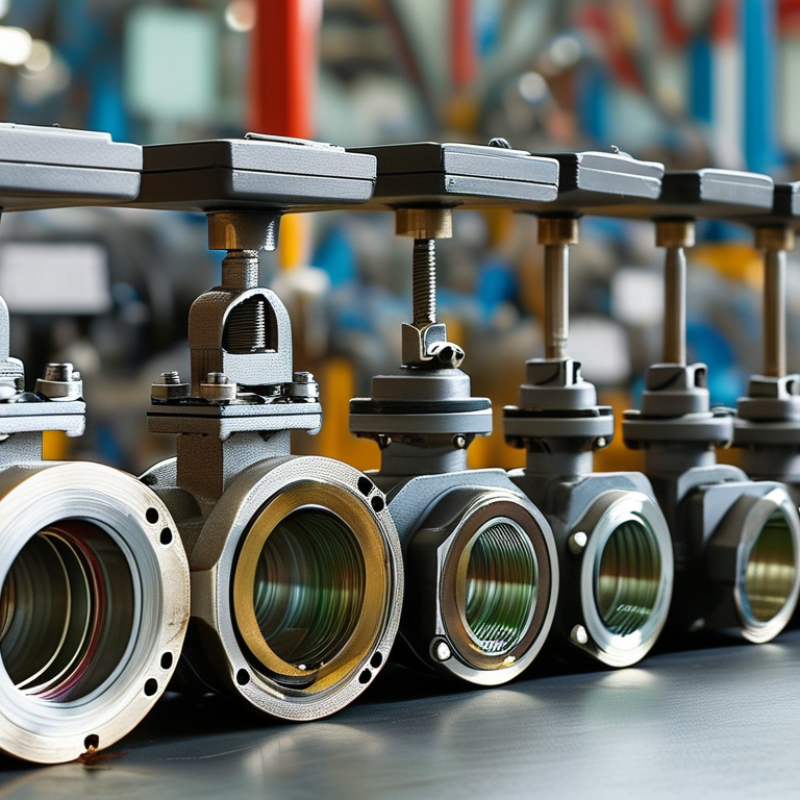
Understanding the Basics of Valve Actuators in Various Industries
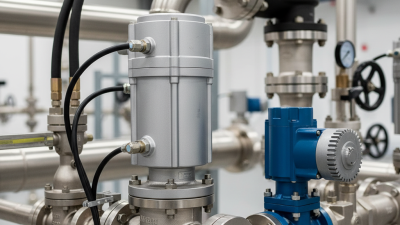
Valve actuators play a critical role in various industries, controlling the flow of liquids and gases. Understanding their basic functions helps buyers make informed decisions. Actuators can be categorized based on their power sources, such as electric, pneumatic, and hydraulic. Each type serves specific operational needs.
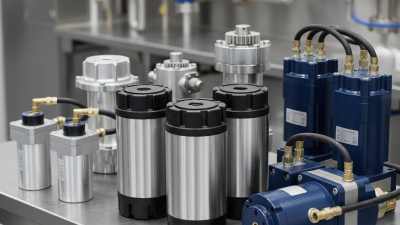
Compact Actuators offer space-saving solutions without compromising performance. They are ideal for installations with limited space. These devices can enhance efficiency in tightly packed areas. Their design allows for quick integration into existing systems, improving overall operation speed.
Tips: When selecting an actuator, consider the environment. Some actuators perform poorly in extreme temperatures or corrosive conditions. It’s crucial to evaluate the specific demands of your application. Always check the compatibility with your valves to ensure seamless function. Keeping track of maintenance schedules can prevent unexpected failures.
Types of Valve Actuators: An Overview of Common Mechanisms
Valve actuators play a vital role in industrial automation. Understanding the common mechanisms helps buyers select the right actuator for their needs. Actuators come in various types, each with unique features. Electric, pneumatic, and hydraulic actuators are commonly used in different applications.
Electric actuators rely on electrical power. They are efficient and precise, making them favorable in many settings. Precision Actuators offer high accuracy in position control. This is crucial in applications like chemical processing. Electric models also tend to be easy to control and integrate into existing systems.
Pneumatic actuators use compressed air for movement. They are often faster than electric counterparts. However, air supply availability can be a limitation. Hydraulic actuators work with liquid fluids. They provide immense force and are ideal for heavy-duty applications. Each actuator type has its advantages and quirks. Buyers need to weigh these when making decisions. Insufficient knowledge can lead to costly mistakes.
Key Factors to Consider When Selecting Valve Actuators
When selecting valve actuators, key factors must not be overlooked. One crucial aspect is the actuator type. Pneumatic, electric, and hydraulic actuators serve different applications. According to a 2022 industry report, pneumatic actuators dominate due to their quick response times, comprising nearly 40% of the market. However, electric actuators are gaining traction, especially in precise control scenarios, with a projected growth rate of 5% annually through 2026.
Another vital factor to consider is the actuator's torque requirements. Miscalculating needed torque can lead to performance failures. A 2023 survey revealed that 30% of companies faced operational issues from inadequately sized actuators. This highlights the importance of understanding the specifications of not just the actuator but also the connected valves. Material compatibility is also significant, as corrosive environments can degrade actuator performance.
Environmental conditions play an essential role. Actuators must withstand extreme temperatures or humidity. For instance, actuators in offshore facilities often face harsh conditions. Thus, selecting an actuator with the right IP rating is critical. Though many manufacturers provide robust solutions, not all meet extreme environmental needs. As such, inadequate research could lead to costly maintenance and downtime escalations.
Global Market Trends Influencing Valve Actuator Demand
In today's dynamic market, the demand for valve actuators is rapidly evolving. Several global trends are influencing this growth. Industrial automation is a major driver. Companies are investing in advanced automation technologies, which require efficient valve actuators. This transition enhances productivity and reduces operational costs.
Another significant trend is the emphasis on sustainability. Industries are increasingly focusing on reducing their carbon footprint. As a result, the need for energy-efficient valve actuators is on the rise. Buyers are seeking products that not only meet performance standards but also align with environmental goals.
**Tip: Research local regulations on actuator specifications.** Compliance can improve market reach and credibility.
Moreover, supply chain challenges and geopolitical factors are affecting availability. Global buyers must stay informed about market fluctuations. It's essential to assess the reliability of suppliers. Choosing dependable partners can mitigate risks associated with these uncertainties.
**Tip: Diversify your supply sources.** Relying on a single supplier can lead to vulnerabilities. Think about alternative manufacturers to ensure a steady supply.
Global Valve Actuator Demand Trends (2023)
Quality Standards and Certifications for Valve Actuators
When selecting valve actuators, understanding quality standards and certifications is crucial. These guidelines ensure that actuators perform reliably in demanding environments. Common certifications include ISO 9001, which signifies effective quality management systems. Other standards focus on safety, performance, and environmental impact.
Certifications vary across regions and applications. Buyers should verify if the actuator meets specific industry requirements, such as API or ATEX certifications for hazardous environments. This ensures not only product reliability but also safety in operations. Familiarity with these standards can prevent future headaches.
Many manufacturers claim compliance with various standards. However, not all uphold the same rigor in quality control. It's essential to research the manufacturer's track record. Look for feedback from existing users. This step can reveal any overlooked issues in reliability or performance. An informed choice relies on a thorough understanding of the certification landscape.
Comparison of Leading Valve Actuator Manufacturers Worldwide
When evaluating valve actuators, it's essential to consider their performance across different manufacturers. A recent industry study revealed that the global valve actuator market is projected to reach $5.5 billion by 2026, driven by increasing industrial automation and demand for reliable control systems. Manufacturers around the world are stepping up their game, focusing on innovation and efficiency to capture market share.
Leading manufacturers are investing in technology that enhances actuator responsiveness and accuracy. For instance, electric actuators are gaining popularity for their energy efficiency and precision. Additionally, pneumatic actuators remain relevant, especially in applications requiring rapid movement and robust performance. The report noted that while pneumatic options dominate certain sectors, the interest in intelligent actuators is growing significantly.
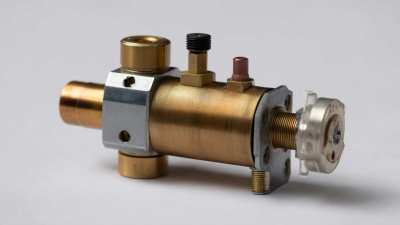
Furthermore, applications of actuators for niche products, like Spray Valves, are becoming more defined. These valves are critical in industries such as food processing and chemical manufacturing, where precise fluid control is required. Some reviews indicate that a comprehensive comparison could reveal significant performance gaps among brands, particularly in terms of durability and maintenance needs. As the sector evolves, potential buyers must conduct thorough research to ensure they select products that align with their operational requirements.
Future Innovations and Technologies in Valve Actuator Design
Innovations in valve actuator design are rapidly transforming industries. These advancements are making systems more efficient and reliable. Engineers are now focusing on smart technology integration for enhanced control. Automation in valve actuators is a key trend. This shift reduces human error and optimizes processes.
The use of IoT in valve actuator systems is gaining traction. Sensors provide real-time data, improving decision-making and maintenance. While these technologies promise increased efficiency, implementing them can be challenging. It requires training and adaptation from personnel. Effective integration is crucial for maximizing the benefits of new technologies.
Harrington Valves showcases the potential of these innovations. Their design emphasizes durability alongside advanced features. However, potential issues exist. Transitioning to smart actuators may lead to unexpected failures. Continuous testing and feedback loops are essential for success. Adopting these innovations demands careful planning and critically assessing operational needs.
FAQS
: Common types include electric, pneumatic, and hydraulic actuators. Each type has distinct features suitable for specific applications.
Electric actuators are efficient, precise, and easy to control. They work well in applications like chemical processing.
Pneumatic actuators are fast but depend on the availability of compressed air. This can be a significant constraint.
Hydraulic actuators provide immense force, making them ideal for demanding applications requiring high power.
Trends like industrial automation and sustainability drive the demand for efficient and energy-saving valve actuators.
Quality standards and certifications ensure reliable performance. Familiarity with these standards can prevent operational issues.
ISO 9001 indicates effective quality management systems. It helps buyers assess the reliability of valve actuators.
Research suppliers thoroughly and consider diversifying sources. This helps mitigate risks from supply chain uncertainties.
Certifications like API or ATEX ensure safety and performance. Verifying these can prevent future operational headaches.
Research the manufacturer's track record and seek feedback from existing users. This helps identify any potential reliability issues.
Conclusion
The article "Top Valves Actuators Essential Guide for Global Buyers" provides a comprehensive overview of valve actuators, focusing on their importance across various industries. It begins by explaining the fundamental concepts associated with valve actuators and progresses to describe the different types and mechanisms available, such as electric and pneumatic actuators. Key factors for selecting the right valve actuator are highlighted, emphasizing criteria like compatibility, efficiency, and cost-effectiveness.
Additionally, the article explores current global market trends that are driving demand, as well as the quality standards and certifications necessary for ensuring reliable performance. A comparative analysis of leading valve actuator manufacturers is presented, offering insights into their strengths and market positions. Finally, the article discusses future innovations in valve actuator design, predicting advancements that can enhance functionality and operational efficiency in the coming years.