The epoxy syringe connector has really become a game-changer in both industrial and medical settings. It’s such a handy little tool because it helps you dispense epoxy accurately and consistently. Honestly, it makes mixing and applying epoxy resins so much easier, especially when you want everything to be just right. Whether you’re putting together electronics or doing some automotive fixes, this connector helps streamline the whole process, saving you time, cutting down on waste, and ensuring you get reliable results every time.
Getting a good grasp of how the epoxy syringe connector works is pretty important if you want your epoxy to turn out perfect. Usually, it combines a syringe with a mixing nozzle, so you can blend the resin and hardener just before you apply it. Once you understand its ins and outs, you'll see how much simpler complicated tasks can be — it really helps make sure the epoxy spreads evenly, which boosts the overall quality of your work. Looking into how people use it, you can’t help but notice how this little gadget has really made a difference in manufacturing and repair jobs, pushing things forward in many industries.
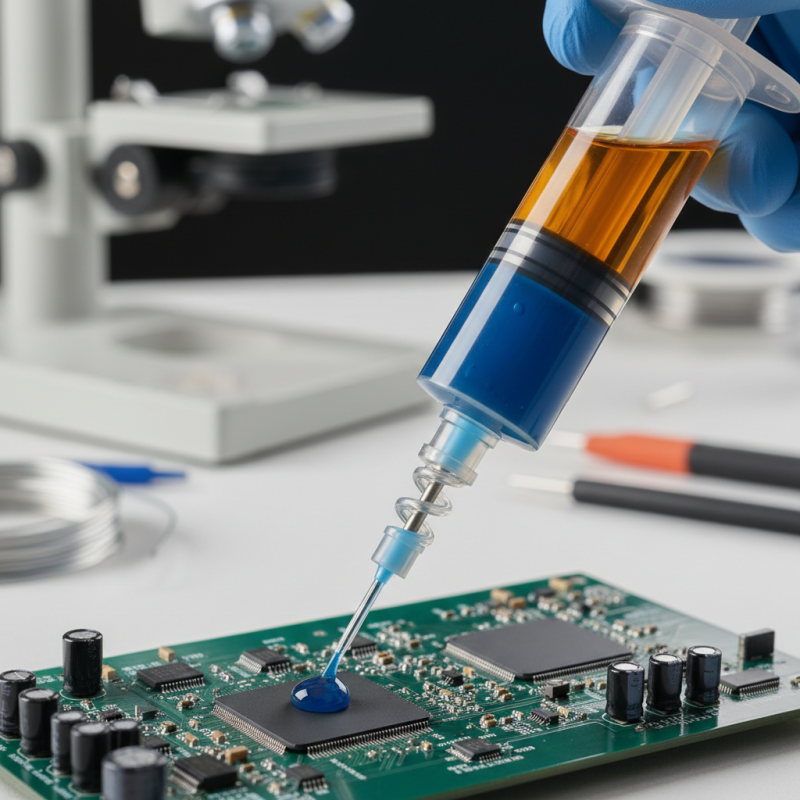
What is an Epoxy Syringe Connector?
An epoxy syringe connector is a specialized device used to facilitate the precise application of two-part epoxy adhesives. Typically made from durable materials, these connectors are designed to ensure proper mixing and dispensing of the components, essential for achieving optimal bond strength. The connector comprises two separate chambers that hold the epoxy resin and hardener, which are mixed as they are dispensed through a nozzle. This design allows for accurate ratios of the adhesive to be administered, reducing the risk of improper curing caused by uneven mixing.
In various applications, the epoxy syringe connector plays a critical role in industries such as construction, automotive, and electronics. Its user-friendly design enables quick and efficient bonding of materials, from metals to plastics. The syringe mechanism controls the flow of the epoxy, making it ideal for intricate tasks that require precision. By using an epoxy syringe connector, users can achieve strong, durable joints while minimizing mess and waste, enhancing both the efficiency and effectiveness of their projects. Whether for small repairs or large-scale applications, this tool proves indispensable for ensuring high-quality results.
Epoxy Syringe Connector Applications
Key Materials Used in Epoxy Syringe Connectors
Epoxy syringe connectors are increasingly important in various industrial applications, offering robust solutions for bonding and sealing. The efficacy of these connectors largely depends on the materials used in their production. Typically, they are made using high-performance thermosetting epoxy resins, which provide superior adhesion and durability. According to a report by MarketsandMarkets, the global epoxy resin market is projected to reach approximately $10 billion by 2025, driven largely by the demand for high-strength materials in construction and automotive sectors.
In addition to the epoxy resin itself, fillers such as silica and glass fibers are frequently incorporated into the formulation to enhance mechanical properties. These fillers can improve tensile strength and thermal stability, making epoxy syringe connectors suitable for applications that require adherence to metals, plastics, and ceramics. The versatility of epoxy materials, combined with their chemical resistance, positions them as a go-to choice in industries ranging from electronics to aerospace. Research indicates that the inclusion of specific additives can further optimize the performance characteristics of epoxy syringe connectors, ensuring they meet the stringent requirements of modern applications.
The Manufacturing Process of Epoxy Syringe Connectors
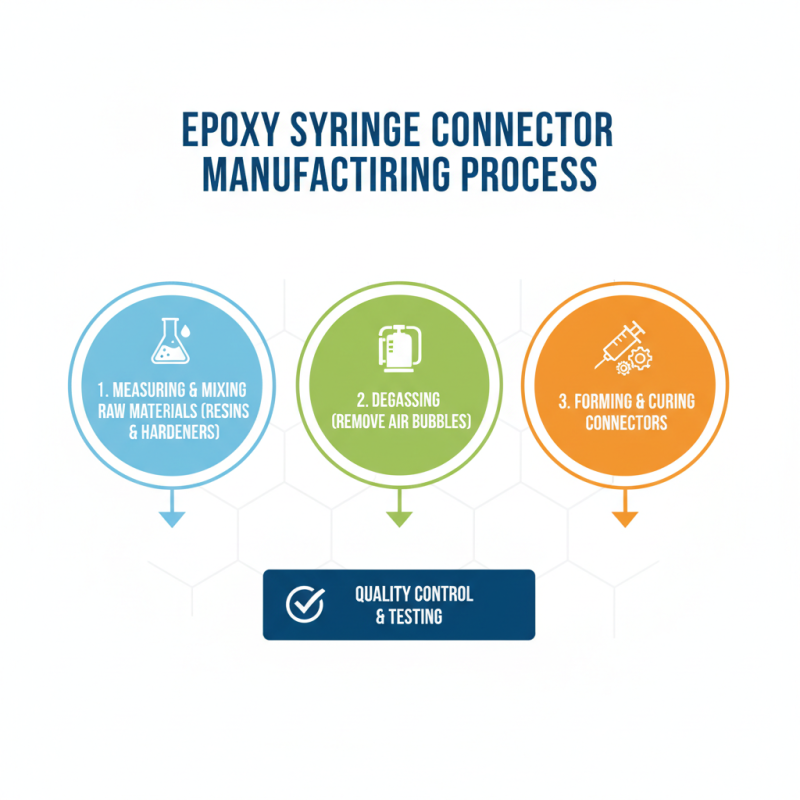
The manufacturing process of epoxy syringe connectors involves several key stages to ensure high-quality and reliable components. Initially, raw materials such as epoxy resins and hardeners are precisely measured and mixed. This process is crucial, as the correct ratio determines the mechanical and thermal properties of the finished product. The mixture is then degassed to remove any air bubbles that could lead to structural weaknesses.
Following the mixing phase, the liquid epoxy is injected into molds that define the shape of the syringe connectors. These molds may vary based on the desired specifications, and they must be designed with precision to ensure uniformity in production. Once the epoxy has been poured into the molds, it undergoes a curing process, which typically involves applying heat or allowing for a specific duration at room temperature. This curing stage solidifies the epoxy and enhances its durability.
Tips for ensuring quality in the manufacturing process include maintaining a clean workspace to prevent contamination of materials, regularly calibrating equipment for accurate measurements, and conducting thorough inspections of components after curing. Additionally, using well-designed molds can significantly streamline production and improve the performance of the final product. By following these practices, manufacturers can effectively produce reliable epoxy syringe connectors for various applications.
Applications of Epoxy Syringe Connectors in Industries
Epoxy syringe connectors are integral components in various industrial applications, providing reliable and efficient means of dispensing epoxy resins and adhesives. These connectors are designed to create a secure bond and prevent leakage during the application process, making them ideal for use in automotive, electronics, medical, and construction industries. The ability to control the flow and dosage of epoxy materials ensures precision in assembly and repair tasks, which is critical in minimizing waste and optimizing resources.
In the automotive industry, epoxy syringe connectors are commonly used for bonding parts and components, especially in areas requiring high strength and resistance to harsh environmental conditions. Similarly, in electronics, these connectors aid in encapsulating sensitive components to provide protection against moisture and mechanical stress. The medical sector also benefits, utilizing epoxy syringes to assemble medical devices and ensure secure seals for safety.
Tips: When working with epoxy syringe connectors, it's essential to choose the correct nozzle size for your project, as this can significantly impact the flow rate and application precision. Additionally, always ensure that the syringes are clean and free from contaminants before use to avoid compromising the integrity of the bond. Finally, consider practicing on a scrap material to become comfortable with the dispensing technique before tackling your main project.
Performance Characteristics of Epoxy Syringe Connectors
Epoxy syringe connectors are essential components widely used in various applications, particularly in the fields of electronics, automotive, and medical device manufacturing. These connectors excel in providing a secure and reliable interface for the delivery of epoxy adhesives. One of their standout performance characteristics is their ability to create strong bonds, which is critical in maintaining the integrity of assembly in high-stress environments. The design ensures even distribution of epoxy, preventing voids and weak spots, which could compromise the durability of the bonded materials.
Another significant performance trait of epoxy syringe connectors is their chemical resistance. They are designed to withstand exposure to a range of harsh chemicals found in industrial settings without degrading. This property enhances their longevity and reliability, making them suitable for demanding applications. Furthermore, the precision in dispensing afforded by these connectors allows for minimal waste and improved efficiency during the assembly process. Their versatility and reliability under various temperature conditions also make them invaluable in applications that require consistent performance over time.
Comparative Analysis with Other Connector Types
Epoxy syringe connectors are widely recognized for their robust performance in various industrial applications, particularly in scenarios requiring strong adhesive bonds and pollution resilience. When comparing epoxy syringe connectors with other types such as mechanical or plastic connectors, one finds significant differences in terms of durability and resistance to environmental factors. Mechanical connectors, while easy to assemble, often lack the same level of resistance to heat and chemicals as epoxy-based solutions. This makes epoxy syringe connectors particularly advantageous in industries like automotive, aerospace, and electronics, where components are frequently exposed to harsh conditions.
Additionally, the precision offered by epoxy syringe connectors allows for targeted adhesive application, which can lead to a cleaner and more efficient assembly process. Conversely, traditional plastic connectors may require the use of additional fasteners or adhesives, which can complicate the assembly and affect the overall reliability of the connection.
Furthermore, while some other connector types may boast lighter weights, the strength and bonding capabilities of epoxy syringe connectors often outweigh the benefits of reduced mass, especially in high-stress applications. Therefore, for industries that prioritize strength, longevity, and resistance to environmental challenges, epoxy syringe connectors present a compelling choice compared to their mechanical and plastic counterparts.
Future Trends in Epoxy Syringe Connector Technology
As the demand for precision and efficiency in manufacturing and production processes continues to grow, the epoxy syringe connector technology is evolving rapidly. Future trends indicate that these connectors will increasingly incorporate advanced materials and designs to enhance performance and reliability. For instance, developments in biocompatible materials will enable the use of epoxy syringe connectors in medical applications, offering higher precision and safety in drug delivery systems.
Moreover, automation and smart technology integration are likely to play a significant role in the future of epoxy syringe connectors. By leveraging IoT (Internet of Things) capabilities, these connectors can provide real-time data monitoring and feedback, improving operational efficiency and minimizing the risk of errors. This shift towards smart connectivity can facilitate better process management and enhance the overall user experience.
Tips: When choosing an epoxy syringe connector for your application, consider the specific requirements of your project, such as viscosity of the materials, precision needed, and compatibility with other tools. Staying informed about the latest technological advancements can help you leverage new features that could streamline your processes effectively. Always ensure that your selections align with industry standards to guarantee optimal performance and safety.
What is an Epoxy Syringe Connector and How Does It Work in Applications - Future Trends in Epoxy Syringe Connector Technology
| Application Area | Epoxy Syringe Connector Type | Key Features | Future Trends |
| Medical Devices | Standard Epoxy Connector | Chemical Resistance, High Bond Strength | Integration with smart sensors |
| Industrial Equipment | High-Temperature Connector | Thermal Stability, Durable Materials | Automated manufacturing integration |
| Aerospace | Lightweight Epoxy Connector | Lightweight, High Strength | Use of bio-based materials |
| Automotive | Epoxy Sealing Connector | Waterproof, Long-lasting Seal | Enhanced recyclability |
| Consumer Electronics | Miniature Epoxy Connector | Compact Design, Versatile Usage | Smart technology integration |
FAQS
: The primary materials used are epoxy resins and hardeners, which are precisely measured and mixed to achieve the desired properties.
The mixture is degassed to remove air bubbles, which prevents structural weaknesses in the finished product.
The liquid epoxy is injected into molds that define the shape of the syringe connectors.
The curing process solidifies the epoxy and enhances its durability, ensuring the final product can withstand various conditions.
Tips include maintaining a clean workspace, regularly calibrating equipment, conducting thorough inspections after curing, and using well-designed molds.
They are widely used in electronics, automotive, and medical device manufacturing due to their reliability.
Their strong bonding capability, chemical resistance, precision in dispensing, and reliability across temperature conditions are key performance characteristics.
They are designed to create strong bonds and ensure even distribution of epoxy, preventing voids and weak spots.
The precision in dispensing results in minimal waste and improved efficiency during the assembly process.
Their chemical resistance and ability to withstand harsh industrial environments enhance their longevity and reliability.
Conclusion
The Epoxy Syringe Connector is an innovative device designed to facilitate the precise mixing and dispensing of epoxy resins in various applications. Composed of key materials that enhance durability and performance, these connectors are manufactured through a streamlined process that ensures high quality and reliability. Their robust construction makes them ideal for diverse industries, including automotive, aerospace, and electronics, where effective bonding and sealing are crucial.
In addition to their practical applications, Epoxy Syringe Connectors exhibit performance characteristics that distinguish them from traditional connector types, such as superior compatibility with different resin formulations and ease of use. As technology evolves, future trends are expected to focus on enhancing the design and functionality of these connectors, further solidifying their role in modern manufacturing and assembly processes.