Dispensing Syringes are pretty essential tools you’ll find all over in medical settings. They’re crucial for delivering medication accurately, transferring fluids, and handling all sorts of procedures that need precise measurements. I came across a report from MarketsandMarkets that estimates the global market for these syringe systems will hit around 5.8 billion dollars by 2026. That just goes to show how much demand there’s growing for them in healthcare. As the industry evolves, having reliable and efficient drug delivery tools is more important than ever—especially with more people dealing with chronic illnesses and the overall aging of the population.
But it’s not just about moving fluids from place to place. These syringes really play a key role in keeping patients safe and making sure they stick to their treatment plans. A study published in the American Journal of Health-System Pharmacy actually points out how choosing the right type of syringe can help cut down on medication mistakes. Dispensing syringes are made to provide better accuracy when measuring doses—which is super important for avoiding potential overdoses or underdoses that can happen with standard syringes. Knowing about the different types out there and how to use them properly isn’t just helpful—it’s essential for healthcare pros aiming to give their patients the best care possible.

What is a Dispensing Syringe?
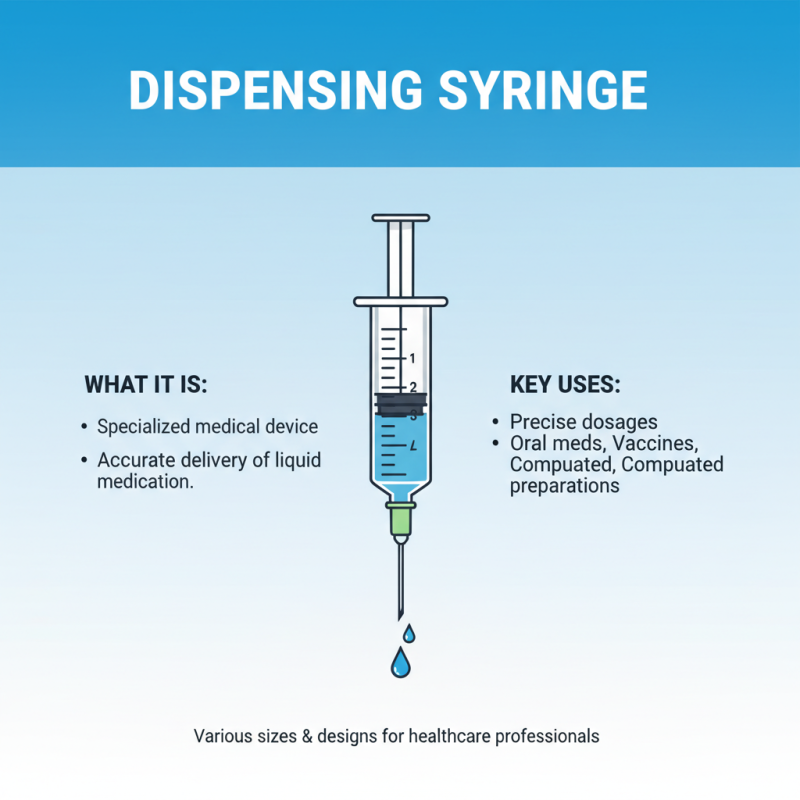
A dispensing syringe is a specialized medical device designed for accurately delivering a specific volume of liquid medication or fluid. Unlike traditional syringes, which may be used for drawing blood or administering injections, dispensing syringes are typically used for precise dosages in various healthcare settings. They are available in different sizes and designs, allowing healthcare professionals to select the appropriate syringe for their specific tasks, such as administering oral medications, vaccines, or even compounded preparations.
In practice, a dispensing syringe often features clear markings along its barrel to facilitate accurate measurement and administration of substances. The plunger is designed to smoothly push or withdraw the fluid while maintaining an airtight seal to prevent leakage. This precision is crucial, especially in pediatric care or other sensitive patient populations, where even slight deviations in dosage can have significant implications. Overall, dispensing syringes play an essential role in various medical procedures, ensuring effective and safe delivery of medications.
Components of a Dispensing Syringe
A dispensing syringe is a critical tool in medical settings, designed for precise measurement and delivery of liquids, such as medications or vaccines. Understanding its components is essential for efficient use. The main parts of a dispensing syringe include the barrel, plunger, and nozzle.
The barrel is the cylindrical body that holds the liquid, typically marked with graduated measurements to ensure accurate dosing. This feature allows healthcare professionals to draw and administer specific volumes of medication safely. The plunger fits snugly inside the barrel and, when pushed, creates pressure to expel the liquid through the nozzle, which is connected to the needle or a dispensing tip. The design ensures that when the plunger is pulled back, a vacuum is created, enabling the syringe to draw liquid into the barrel effectively.
Additionally, some dispensing syringes come with a removable tip or locking mechanism to secure the needle in place, enhancing safety and preventing accidental disconnection during use. The materials used in syringes are also important; they must be compatible with various medications and sterilizable to maintain hygiene. Understanding these components and their functions is vital for healthcare providers to ensure accurate and safe medication administration.
What is a Dispensing Syringe and How is it Used in Medical Settings - Components of a Dispensing Syringe
| Component | Description | Function | Materials |
| Barrel | The main body of the syringe where the liquid is held. | Holds and allows the measurement of the medication. | Plastic, glass |
| Plunger | A movable cylinder that pushes the liquid out of the barrel. | Controls the flow rate of the medication. | Rubber, plastic |
| Needle | A thin, hollow tube used to inject or withdraw fluids. | Delivers the medication into the body. | Stainless steel |
| Tip | The end part of the syringe where the needle is attached. | Ensures a secure connection with the needle. | Plastic |
| Graduations | Markings on the barrel for measuring liquid volume. | Allows accurate dosing of medications. | Printed measurements on plastic or glass |
Types of Dispensing Syringes Used in Medicine
Dispensing syringes are crucial tools in medical settings, allowing for precise measurement and delivery of medications, vaccines, and other fluids. Various types of dispensing syringes are employed in different clinical scenarios, each designed to meet specific needs in treatment protocols.
One common type is the standard luer lock syringe, which features a threaded tip that securely attaches to needles or other devices. This design ensures a tight seal, preventing leaks and making it suitable for drawing up medications and administering injections. Another variant is the pre-filled syringe, which comes ready to use, reducing preparation time and the risk of contamination. These syringes are often utilized in vaccine administration, where consistency and speed are essential.
Additionally, there are specialized dispensing syringes, such as those designed for oral administration, which often include a graduated scale to measure liquid doses accurately. These syringes are commonly used in pediatrics and for patients who may have difficulty swallowing pills. Lastly, some medical settings use insulin syringes, designed specifically for administering insulin, featuring finer measurements to accommodate the precision required in diabetic management. Each type of dispensing syringe plays a vital role in enhancing patient safety and ensuring effective treatment outcomes.
How to Properly Use a Dispensing Syringe
A dispensing syringe is a crucial tool in medical and clinical settings, widely used for administering precise doses of medication or fluids. To ensure safe and effective use, it is essential to follow proper procedures. First, healthcare professionals should begin by selecting the appropriate syringe size and type based on the volume of the medication being dispensed. The syringe should be inspected for any defects before usage, and all components, including the plunger and needle, must be clean and sterile to prevent infection.
When using a dispensing syringe, the first step is to draw the medication into the syringe from a vial or ampoule. This is done by inserting the needle into the container, withdrawing the desired volume carefully, and ensuring no air bubbles remain in the syringe. Once filled, the healthcare provider should ensure that the patient is in a comfortable position, and the site of administration is prepared properly.
It’s vital to administer the medication slowly and steadily, as this minimizes discomfort for the patient and allows for better absorption. After use, the syringe should be disposed of in a designated sharps container to maintain safety and hygiene in the clinical environment. Proper training and adherence to protocols are key to using a dispensing syringe effectively.
Safety Measures When Using a Dispensing Syringe
When using a dispensing syringe in medical settings, safety measures are paramount to prevent contamination and ensure accurate dosing. Healthcare workers must adhere to strict protocols to maintain a sterile environment, which includes the proper handling and disposal of syringes. It is essential to use a new, sealed syringe for each patient to avoid cross-contamination, and workers should always wash their hands or use hand sanitizer before and after handling syringes. Additionally, maintaining a clean workspace reduces the risk of introducing pathogens during the dispensing process.
Furthermore, it is crucial to educate all personnel on the correct techniques for using dispensing syringes. Proper training ensures that syringes are used correctly to deliver precise dosages. Staff should also be aware of the potential risks associated with needle stick injuries and implement measures such as using safety-engineered devices or puncture-proof containers for disposal. Monitoring the use of syringes and conducting regular safety audits can help identify any lapses in protocol, reinforcing a culture of safety in the medical environment.
Common Applications in Medical Settings
Dispensing syringes are versatile tools extensively used in medical settings to deliver precise dosages of liquids. Commonly employed in hospitals, clinics, and home healthcare, these syringes can be utilized for a variety of applications. One prominent use is in administering medications, whether they are oral solutions or intravenous fluids. Their design allows for easy measurement, ensuring patients receive accurate doses as prescribed by healthcare providers.
Another important application of dispensing syringes is in the field of vaccinations. Nurses and healthcare professionals often rely on these syringes to administer vaccines efficiently and safely. The graduated markings on the syringe ensure the right amount of vaccine is delivered, minimizing wastage and promoting effective immunization efforts.
Additionally, dispensing syringes are frequently used for feeding infants and patients who have difficulty swallowing, offering a method to provide nutrition without the need for complex feeding mechanisms.
Tips: When using a dispensing syringe, it's crucial to ensure that the device is clean and free from contaminants to prevent any risk of infection. Additionally, take care to remove air bubbles before administering the medication to ensure an accurate dose is delivered. Always follow the guidelines provided by healthcare professionals when utilizing a syringe for medication or vaccine delivery.
Maintenance and Cleaning of Dispensing Syringes
Dispensing syringes are essential tools in medical settings, used for accurate dosage delivery of medications, vaccines, or fluids. However, the efficacy of these syringes not only depends on their design but also on their maintenance and cleaning. Ensuring that syringes are properly maintained is crucial for patient safety, as improper handling can lead to contamination and infection.
Regular cleaning of dispensing syringes should involve rinsing with distilled water followed by sterilization methods such as autoclaving or using chemical disinfectants suitable for the materials of the syringe. Healthcare professionals must establish protocols for cleaning syringes after each use and inspect them for any damages before reuse. Following the manufacturer's guidelines for cleaning and maintenance can prevent cross-contamination and extend the lifespan of the syringes.
Tips: Always store dispensing syringes in a clean, dry area to prevent contamination. Label used syringes clearly to avoid accidental reuse. Additionally, consider using single-use syringes whenever possible, as they eliminate the risks associated with cleaning and disinfecting. This practice not only safeguards patients but also simplifies the operational protocols within medical facilities.
Innovative Solutions: A Comprehensive Guide to Domestic Industrial Dispensing Jet Valve Accessories
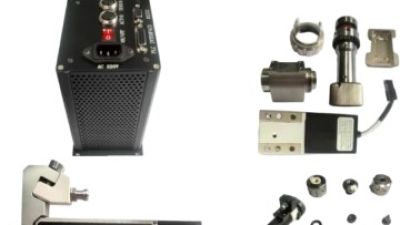
In the realm of domestic industrial applications, the adoption of innovative dispensing technologies has revolutionized the manufacturing process, particularly in PCB assembly and precision bonding. Jet valve accessories play a crucial role in this advancement, delivering exact dot and line dispensing solutions. With an orifice size ranging from 0.1 to 0.5mm, these valves ensure heightened precision, allowing for extensions of dots or lines between 50μm to 3mm in width. This level of accuracy is essential for applications that demand non-contact dispensing, such as underfilling of PCBs, ensuring robust performance in modern electronics.
The design of these jet valve accessories incorporates advanced materials, notably tungsten carbide nozzles that feature a remarkably smooth surface finish of less than 5μm. This attention to detail not only enhances durability but also contributes to the consistent quality of the dispensing process. Operating at a maximum frequency of 500Hz with a response time of just 2ms, these accessories facilitate rapid and efficient production cycles, meeting the demands of high-volume manufacturing without compromising on quality. By integrating such cutting-edge technologies, industries can achieve greater reliability and efficiency in their production lines, responding adeptly to the ever-evolving challenges of the market.
FAQS
: The main components of a dispensing syringe include the barrel, plunger, and nozzle. The barrel holds the liquid and is marked with graduated measurements, the plunger creates pressure to expel the liquid, and the nozzle is connected to the needle or dispensing tip.
A dispensing syringe should be stored in a clean and sterile environment, ensuring it remains free from contaminants and defects before use.
First, insert the needle into the medication container, withdraw the desired volume carefully, and ensure that no air bubbles remain in the syringe before proceeding.
Healthcare professionals should administer the medication slowly and steadily and ensure that the patient is in a comfortable position while preparing the site for administration.
After use, the syringe should be disposed of in a designated sharps container to maintain safety and hygiene.
Dispensing syringes are commonly used for administering medications, vaccines, and for feeding patients or infants who have difficulty swallowing.
Removing air bubbles is crucial to ensure an accurate dose is delivered, which minimizes the risk of underdosing and enhances the effectiveness of the medication.
Dispensing syringes should be made from materials that are compatible with various medications and should be easily sterilizable to maintain hygiene standards.
If a syringe shows any defects, it should not be used and should be replaced to ensure safe and accurate medication administration.
Proper training is essential to ensure that healthcare providers can use dispensing syringes effectively and follow safety protocols to prevent errors and maintain patient safety.
Conclusion
Dispensing syringes are vital tools in medical settings, designed for the accurate delivery of medications and other fluids. Comprised of several key components including a barrel, plunger, and needle or tip, these syringes come in various types tailored for specific applications, such as oral, intravenous, or intramuscular use. Proper usage entails techniques for measuring doses and administering injections safely, while adhering to strict safety measures to prevent contamination and ensure patient safety.
In addition to understanding the common applications of dispensing syringes—from vaccination to fluid administration—healthcare professionals must emphasize maintenance and cleaning protocols. Regular cleaning and inspection ensure the syringes remain functional and sterile, contributing to effective healthcare delivery. Overall, dispensing syringes are essential for precise medication administration, and their proper use is crucial for enhancing patient care.