Leave Your Message
0%

You know, in a bunch of industries, being precise and accurate really isn’t optional — it’s a must. That’s where tools like the Dispensing Plunger come into play. It’s a pretty simple device, but honestly, it’s surprisingly effective. It helps folks measure and pour liquids with a good amount of control — whether you're working in a lab, a clinic, or somewhere else entirely, these tiny tools are super important.

What’s interesting about a Dispensing Plunger is how straightforward it looks. Basically, you push down on the plunger to release a specific amount of liquid. Sure, the design’s pretty simple — but don’t let that fool you. It’s actually vital for keeping things consistent. If you don’t use it right, the results can end up all over the place, which can be a real headache. So, it’s good to pay attention to your technique when using one.

Getting a grip on how a Dispensing Plunger works is pretty key if you’re in the field. Sure, it looks easy enough — push here, release there — but every part needs to work properly to get accurate results. Like with most tools, taking a moment to think about best practices can really make a difference. It’s worth regularly checking your method to make sure everything stays precise and reliable.

What is a Dispensing Plunger and How Does It Work?

What is a Dispensing Plunger?

What is a Dispensing Plunger and How Does It Work?

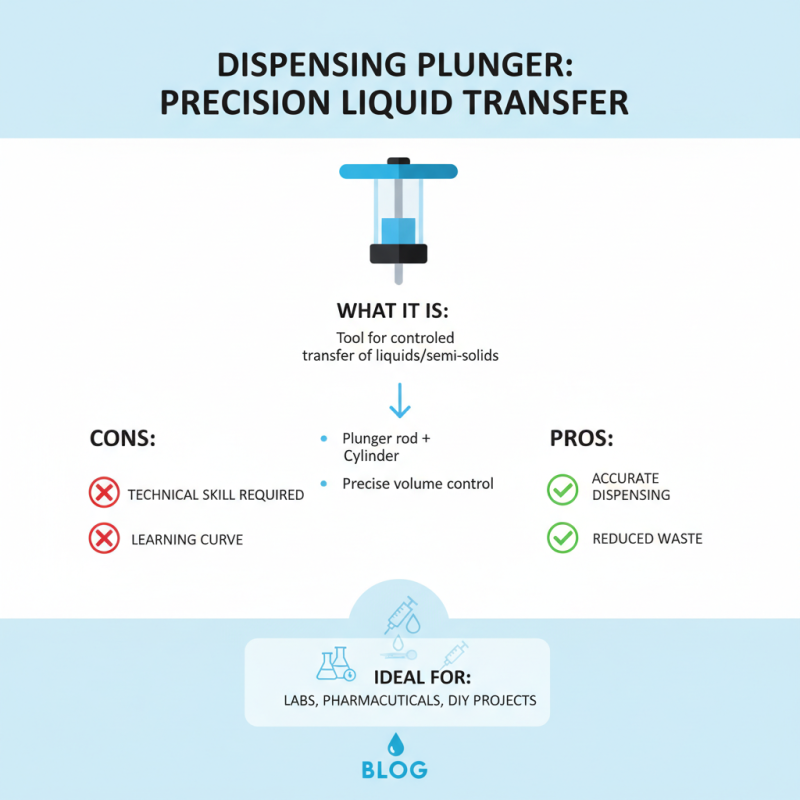
A dispensing plunger is a tool used to transfer liquids or semi-solids from one container to another. It typically consists of a plunger rod and a cylinder. The design allows for precise control over the amount of liquid dispensed. Many users appreciate this feature, yet some struggle with the technique required to operate it effectively.

Using a Reusable Plunger can be a cost-effective solution. Unlike single-use options, a reusable design can help reduce waste. However, if not cleaned properly, it may lead to contamination. This raises concerns about safety and efficacy. Some users find it easy to overlook the cleaning step, which can result in less desirable outcomes.

The mechanism is straightforward, but mastery takes practice. Pressing the plunger down expels the liquid, while pulling it back creates a vacuum. This process seems simple, yet inconsistencies often arise. Beginners might find challenges in achieving the desired flow rate. With careful attention to technique, most can overcome these hurdles, leading to more effective use of the dispensing plunger.

The Components of a Dispensing Plunger

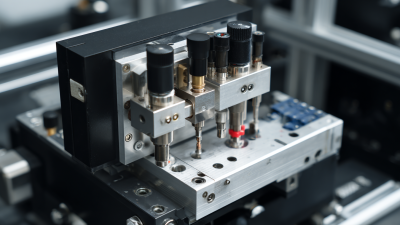
A dispensing plunger is a device that helps to accurately deliver liquids or pastes. Its main components include a barrel, a plunger, and a nozzle. Each part plays a crucial role in the dispensing process. The barrel holds the material, while the plunger actuates to push the substance out through the nozzle.

The design of the Plunger Actuator is vital. It must fit snugly inside the barrel to prevent leakage. However, if the fit is too tight, it can be hard to operate. A balance is necessary to ensure smooth function. The nozzle directs the flow of the material. Its diameter affects both speed and precision.

Some systems also incorporate a spring mechanism. This feature allows for quicker returns of the plunger after dispensing. But, improper calibration of this mechanism can lead to inconsistency in dispensing. Users must regularly check all components for wear. Minor damages can accumulate over time, impacting accuracy. Keeping track of these details is essential for effective operation.

How Does a Dispensing Plunger Function?

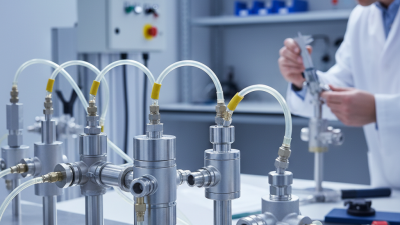
A dispensing plunger is a tool designed for precise liquid delivery. It consists of a cylindrical body with a plunger that can be pushed down to dispense a measured amount of liquid. The operation is quite simple. When the plunger is depressed, liquid moves up the cylinder and is expelled through an outlet. This mechanism allows for accuracy and ease of use in various applications.

The functionality of a dispensing plunger is enhanced by materials such as a Ptfe Coated Plunger. This coating provides resistance to chemicals and improves the longevity of the tool. Users often appreciate the smooth operation of a plunger with a PTFE coating. However, achieving the right pressure can be tricky. Too much force may cause splattering or inaccurate dosing. Fine-tuning the pressure might require practice and patience.

An important consideration when using a dispensing plunger is the viscosity of the liquid. Thicker fluids may resist easier movement, complicating the dispensing process. Users may find it necessary to adjust their technique based on the substance. Additionally, regular maintenance of the plunger can prevent wear and ensure consistent performance over time. It's essential to keep the equipment clean and functional for the best results.

Applications of Dispensing Plungers in Various Industries

What is a Dispensing Plunger and How Does It Work?

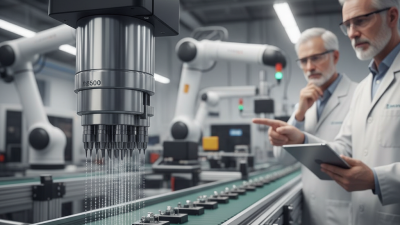
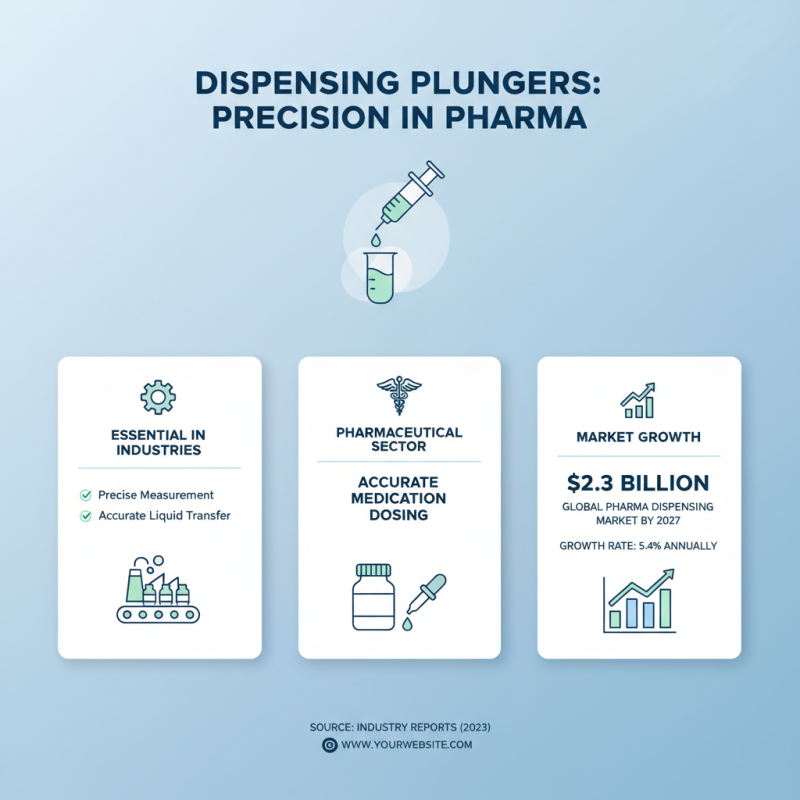
Dispensing plungers are essential in many industries. They ensure precise measurement and transfer of liquids. In the pharmaceutical sector, they are used for accurate dosing of medications. Reports indicate that the global pharmaceutical dispensing system market is projected to reach $2.3 billion by 2027, growing at a rate of 5.4% annually.

In the food and beverage industry, dispensing plungers are critical as well. They help in the precise delivery of sauces, dressings, and other liquid products. A recent study reveals that about 60% of consumers prefer products that use precise dispensing methods. This demand drives manufacturers to invest in high-quality dispensing technology. However, challenges arise. Some products may experience clogging, leading to wastage and inefficiency.

The cosmetic industry also benefits from dispensing plungers. They enable controlled dispensing of creams and lotions. According to market research, the cosmetic dispensing market is expected to grow to $1.5 billion in the next few years. Despite their benefits, companies must continuously evaluate the effectiveness of their dispensing systems. A small error in measurement can lead to inconsistent product quality.

Advantages of Using Dispensing Plungers

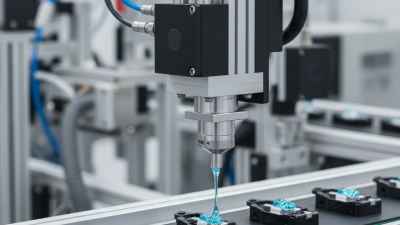
Dispensing plungers are essential tools in various industries. They allow for precise dispensing of materials like adhesives, sealants, and even food substances. One notable advantage of using dispensing plungers is their ability to minimize waste. According to a recent industry report, businesses can reduce material waste by up to 30% when they adopt these tools. This efficiency saves costs and promotes sustainability.

Another significant advantage is the improved accuracy in dispensing. Many users report inconsistencies when using traditional methods. However, dispensing plungers can deliver consistent amounts, ensuring product quality. Studies show that maintaining uniformity boosts production efficiency by 20%. This improvement can have a massive impact, especially for manufacturers who rely on precise measurements.

Tips for effective use include regular maintenance to prevent clogging. A clogged plunger can lead to frustrating delays. Always clean after each use. Don't overlook the importance of the right size. A mismatched plunger can also lead to errors. Understanding your material's viscosity is crucial; thicker materials require a different approach.

Maintenance and Care for Dispensing Plungers

Proper maintenance of dispensing plungers is crucial for their effective operation. Regular cleaning is essential to remove any residue that can affect performance. Use warm, soapy water for cleaning. After rinsing, let the plungers dry completely. Neglect can lead to sticky mechanisms or blockages. A clogged dispensing plunger can alter liquid flow, leading to inaccurate dispensing.

Check the seals regularly for wear and tear. Old seals can cause leaks or inconsistent flow. Replacing worn seals will save time and prevent waste. Additionally, inspect any attachments, such as Dispensing Valves. These components work together, and one malfunction can impact the entire system. Be aware of how each part interacts; this awareness aids effective maintenance.

Storing plungers properly enhances their lifespan. Keep them in a cool, dry place. Avoid exposing them to extreme temperatures or harsh chemicals. Remember, even a small oversight can lead to significant issues later. Use these basic care tips to ensure the longevity and efficiency of your dispensing plungers in various applications.

Common Issues and Troubleshooting Tips for Dispensing Plungers

Dispensing plungers can face various challenges during use. Common issues include inconsistent dispensing, clogging, and difficulty in operation. Inconsistent dispensing often occurs when users do not apply steady pressure. This can lead to unpredictable flows, affecting accuracy. To remedy this, ensure you grip the plunger firmly and maintain a constant pressure.

Clogging is another widespread problem. It can happen when materials dry up within the plunger or when debris enters the system. Regular cleaning is essential to prevent this. Disassemble the plunger and rinse it with warm water. For stubborn clogs, use a soft brush. Remember, neglecting maintenance will only lead to more frustration.

Some plungers resist easy movement. This can be annoying, especially in critical applications. Try lubricating the plunger rod with compatible substances. This simple step can enhance functionality. However, avoid over-lubrication, as it may create more issues. Stay aware and address these problems promptly to ensure a smooth dispensing experience.

FAQS

: What types of products are commonly featured on such platforms?

: Various categories exist, including electronics, fashion, home goods, and personal care items.

How are the prices determined for the products?

Prices can vary based on demand, availability, and product features. Some may feel they fluctuate too much.

Are there any quality guarantees for the items sold?

Many platforms claim a satisfaction guarantee. However, buyers should still check reviews before purchasing.

What should I do if I receive a defective item?

Contact customer service immediately. They may offer returns or exchanges, but experiences can differ widely.

Can I return a product if I change my mind?

Return policies vary greatly. Some items can be returned easily, while others may have more rigid rules.

How can I track my order?

Most services provide tracking information via email, but sometimes the tracking can be inconsistent or delayed.

What payment methods are usually accepted?

Common options include credit cards, digital wallets, and sometimes cash on delivery. Not all methods may be available.

Is it safe to shop online?

Generally, online shopping is secure, but risks persist. Users should remain cautious about sharing sensitive information.

What if my order is late?

Delivery delays can occur. Contacting customer support might help, but they may not always have clear answers.

How often are new products added?

New arrivals can happen frequently, yet some platforms may lack consistent updates. Keep checking for fresh options.

Conclusion

A dispensing plunger is a precise tool commonly used for transferring liquids or pastes, equipped with components such as a barrel, plunger rod, and sealing mechanism. Its operation relies on the movement of the plunger within the barrel, creating suction to draw in materials and then dispensing them accurately when the plunger is pushed down.

These devices find applications across various industries, including pharmaceuticals, food production, and cosmetics, due to their ability to handle a wide range of viscosities. The advantages of using dispensing plungers include enhanced precision, reduced waste, and the ability to manage small batch sizes effectively. Proper maintenance and care ensure longevity, while being aware of common issues and troubleshooting tips can help maintain optimal performance.
Emily

Emily

Emily is a dedicated marketing professional at Shenzhen Anyco Automation Equipment Co., Ltd., a national high-tech enterprise established in 2013. With a strong background in automated fluid control equipment and accessories, she possesses a deep understanding of the company's innovative products......
Previous Maximizing Service Benefits and Cost Efficiency with Best Gum Valve Fittings Examples