When you're starting a project that needs precise bonding or coating, choosing the right materials is super important. One thing that often gets overlooked is the Epoxy Mixing Tube. Picking the right one can really make a difference in how smooth and effective your work turns out, helping you get those perfect results without any hiccups. Whether you're tackling a DIY repair at home or working on a big professional job, understanding the different kinds of mixing tubes out there can help you work smarter and boost the overall quality of your project.
Epoxy mixing tubes come in all sorts of shapes, sizes, and styles—each designed for different uses and epoxy types. Things like how thick your epoxy is, how big your project is, and what kind of mixing method you're using all play a role in figuring out the best tube for you. Getting a good handle on these options means your epoxy will be mixed thoroughly and applied properly, so you avoid issues like improper curing or uneven coating.
In this guide, I’ll walk you through the key factors to consider when choosing a mixing tube. From checking if the material works with your epoxy to understanding how the dispensing system works, my goal is to give you the info you need to make a smart choice. That way, you can improve your work quality and make sure your projects last longer and turn out just how you want them to.
Understanding Epoxy Mixing Tubes: An Overview of Types and Applications
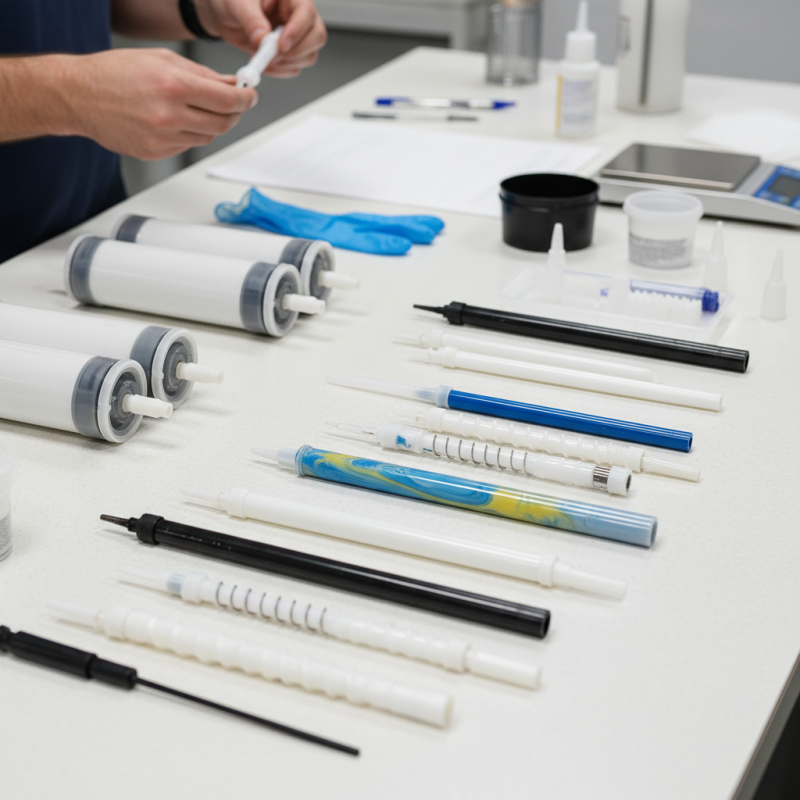
When it comes to mixing epoxy for various projects, understanding the different types of epoxy mixing tubes is essential. These tubes serve a critical role in ensuring precise and effective mixing of resin and hardener. There are several types of mixing tubes available, including static mixers, disposable syringes, and dual-chamber cartridges. Each type caters to specific applications, making it vital to select the right one based on project requirements.
Static mixers are particularly popular in industrial applications due to their repeatability and efficiency. According to a report by the Adhesive and Sealant Council, the global market for mixing equipment is projected to exceed $8 billion by 2025, indicating a growing trend towards specialized mixing solutions. For projects that require intricate detailing, precision-engineered mixing tubes with multiple internal elements can enhance the quality of the mix, ensuring optimal adhesion and performance. Meanwhile, disposable syringes are ideal for smaller tasks or adjustments, providing a straightforward and no-mess solution for hobbyists and professionals alike.
In addition to the type of mixing tube, the choice of material is also fundamental. Many professional-grade mixing tubes are made from high-density polyethylene, ensuring chemical resistance and durability. The specific application, whether it be for construction, automotive, or art projects, often dictates the best material and design to use. Understanding these factors helps users achieve the best results in their epoxy projects, ultimately leading to more reliable and long-lasting applications.
Key Factors to Consider When Selecting an Epoxy Mixing Tube
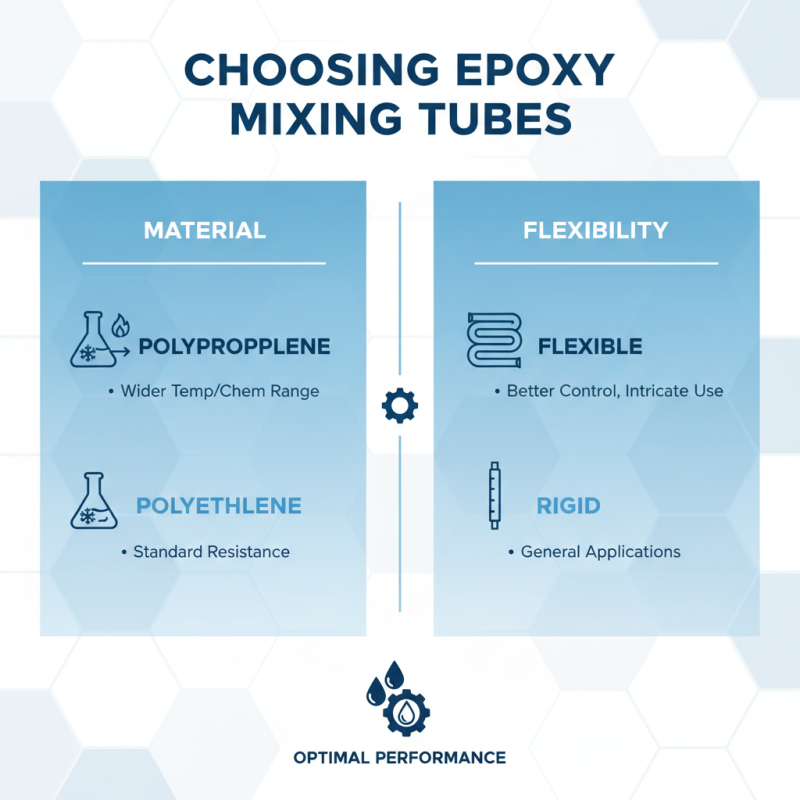
When selecting the right epoxy mixing tube for your project, several key factors must be considered to ensure optimal performance and results. One of the primary considerations is the tube's material. Typically, mixing tubes are made from polypropylene or polyethylene, materials known for their chemical resistance and durability. According to industry reports, polypropylene can withstand a much wider range of temperatures and chemicals, making it a preferred choice for industrial applications where exposure to harsh substances is common. Additionally, the choice between rigid and flexible tubes can impact the ease of use; flexible tubes usually provide better control during the mixing process, especially in intricate applications.
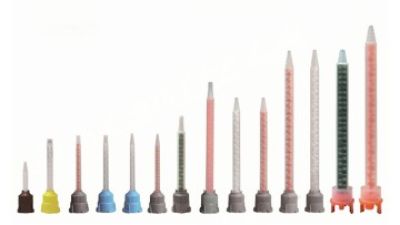
Another crucial factor is the tube's diameter and length, which can significantly affect the mixing efficiency. Research indicates that a larger diameter can facilitate easier flow and reduce mixing times, while a longer tube may improve the integration of the epoxy components by providing more surface area for interaction. It’s essential to assess the specific requirements of your project, as improper dimensions can lead to incomplete mixing or unwarranted bubbles in the final product. Choosing a mixing tube that balances these parameters based on the volume of epoxy being used can lead to superior adhesion and curing characteristics, ultimately enhancing the quality of the finished work.
Matching Mixing Tube Size to Your Epoxy Project Requirements
When selecting the right epoxy mixing tube for your project, understanding the correlation between the size of the mixing tube and the requirements of your epoxy application is crucial. Mixing tubes come in various sizes, typically measured in milliliters or ounces, which directly affects the volume of epoxy that can be prepared at one time. According to industry reports, using the correct tube size can improve the consistency and quality of the mixture, leading to enhanced performance in the finished product. For instance, a study by the Epoxy Resin Association highlights that using a mixing tube that matches the epoxy’s recommended volume can reduce the potential for improper curing or incomplete mixing, which are common issues in larger applications.
In addition to volume, the inner diameter of the mixing tube should be considered. A wider diameter often facilitates better mixing and may be beneficial for thicker epoxy formulations. Research indicates that mixing tubes with a diameter of 10mm or greater can significantly reduce vortex formation, leading to a more homogenous mixture when used with high-viscosity epoxies. Project requirements, such as intricate mold designs or thick adhesive applications, may necessitate different tube sizes to achieve the desired flow and working time. By carefully matching your mixing tube size to the specific demands of your epoxy project, you can enhance both the efficiency of the application and the quality of the end result.
This chart illustrates the recommended number of projects based on the size of epoxy mixing tubes. Small tubes are ideal for small projects, while larger tubes are suited for more extensive work. Understanding the appropriate tube size helps in efficient material usage and project execution.
Material Composition of Mixing Tubes: What You Need to Know
When selecting an epoxy mixing tube for your project, understanding the material composition is crucial to achieving the best results. Mixing tubes are typically made from various materials, each offering different properties that can affect the mixing process. Common materials include plastic, silicone, and metal, with plastic being the most widely used due to its lightweight nature and cost-effectiveness. However, one must consider the type of plastic, as certain grades can endure higher temperatures and chemical exposure better than others.
Silicone mixing tubes, on the other hand, can be advantageous for their flexibility and durability. They are less likely to deform under stress, which allows for more precise mixing when working with sensitive epoxy formulations. Metal mixing tubes provide excellent thermal conductivity, which can be beneficial when rapid heat dissipation is needed during the curing process. Regardless of the material chosen, ensuring that it is chemically compatible with the epoxy resin is essential to prevent any adverse reactions that could compromise the integrity of your project.
Evaluating Mixing Tube Design for Efficient Epoxy Application
When selecting an epoxy mixing tube, the design plays a crucial role in ensuring efficient application. The shape and size of the mixing tube can significantly influence the blending process, affecting both the consistency and usability of the epoxy. For instance, a tapered design can facilitate smoother flow, preventing clogging and ensuring a thorough mix. Additionally, the internal structure is vital; tubes with mixing fins or other features can enhance the agitation of the components, leading to a more homogenous mixture.
Moreover, the material used in the construction of the mixing tube can impact both the mixing efficiency and the final outcome of the epoxy application. Tubes made from flexible, durable materials can withstand the pressure of both the components being mixed and the application process, reducing the likelihood of breakage or leaks. It's also essential to consider the volume capacity of the tube to match the needs of your project, as oversized tubes can waste material, while undersized options may lead to inefficiency in mixing. Careful evaluation of these design elements will help ensure that you choose the right mixing tube for optimal epoxy performance.
Common Mistakes to Avoid When Choosing Mixing Tubes
When selecting an epoxy mixing tube, avoiding common mistakes can significantly impact the quality of your project. One prevalent error is choosing a tube that is incompatible with the type of epoxy you are using. Different epoxies have varied viscosities and chemical properties; thus, using a tube designed for a specific type of resin can lead to improper mixing and poor adhesion. Always check compatibility and select tubes explicitly designed for the specific formulation of epoxy in your project.
Another frequent mistake is underestimating the volume of epoxy needed during mixing. Using a tube that is too small can lead to overflow and messy workspaces, while too large a tube may waste materials. It is crucial to assess the quantity of epoxy required for your project accurately and select the mixing tube proportionally. Additionally, be conscious of the length of the mixing tube; longer tubes can provide more thorough mixing but may be challenging to work with in tighter spaces. Taking the time to evaluate these aspects will enhance your mixing process and the overall success of your project.
Best Practices for Using Epoxy Mixing Tubes Effectively
When selecting epoxy mixing tubes, understanding best practices for their effective use is crucial to ensure optimal results in your projects. According to a study from the Adhesive and Sealant Council, improper mixing techniques can reduce the strength of the cured epoxy by up to 30%, leading to unnecessary material waste and decreased project longevity.
To mitigate these risks, it is essential to use the right mixing tube size and configuration that suits the specific viscosity of the epoxy you're working with. This ensures a uniform mix, allowing the resin and hardener to properly interact, thus achieving the desired chemical bond strength.
Moreover, consistency in the mixing process cannot be overstressed. A report from the International Journal of Adhesion and Adhesives highlights that the duration and method of mixing are vital for achieving homogeneity. Users should aim for a minimum mixing time of 2-3 minutes, utilizing a back-and-forth motion if using manual tubes or following a specific pattern with automated mixers.
Additionally, pre-conditioning the components at room temperature can prevent issues related to thickening or premature curing, thus enhancing the performance of the epoxy when applied. By implementing these best practices, one can significantly improve the efficiency and outcome of their epoxy projects.
Enhancing Efficiency in Industrial Applications: Insights from Market Reports on Static Dispensing and Mixing Technologies
In recent years, the industrial sector has witnessed a significant shift towards enhancing efficiency through advanced static dispensing and mixing technologies. These innovations have been pivotal in streamlining operations, especially in processes that require precise material handling. Market reports indicate a growing demand for equipment that can handle diverse materials, as industries aim to optimize their production capabilities and minimize waste.
When selecting static dispensing and mixing technologies, the choice of materials plays a crucial role in determining efficiency and effectiveness. Options like polypropylene (PP) stand out for their disposability and chemical resistance, operating efficiently within a temperature range of 0-80°C. This makes PP an ideal choice for applications where quick turnaround is essential. Conversely, stainless steel 316L offers durability and the ability to withstand higher temperatures, up to 250°C, while being reusable and autoclave-safe. This material is preferred in environments where thorough sterilization and repeated use are critical.
Furthermore, the use of PTFE-lined dispensers provides additional advantages, notably their non-stick properties, which are particularly beneficial when working with silicone or urethane adhesives. This non-stick feature not only enhances the mixing process but also reduces material waste, ultimately leading to cost savings and improved productivity. As industries continue to evolve, the integration of these materials and technologies will be paramount in driving efficiency and ensuring high-quality outcomes in industrial applications.
FAQS
: Epoxy mixing tubes are typically made from polypropylene or polyethylene, both of which offer chemical resistance and durability.
Flexible tubes usually provide better control during the mixing process, especially in intricate applications, while rigid tubes can be beneficial in straightforward mixing scenarios.
A larger diameter facilitates easier flow and reduces mixing times, while a longer tube provides more surface area for interaction, improving the integration of epoxy components.
Different epoxies have varied viscosities and chemical properties; using an incompatible tube can lead to improper mixing and poor adhesion.
Using a tube that is too small can cause overflow and mess, while a tube that is too large may waste materials and affect the quality of the mix.
Longer tubes can provide more thorough mixing but may be difficult to maneuver in tighter spaces, so it's essential to evaluate the working conditions.
A common mistake is underestimating the epoxy volume, which can result in overflow or poorly mixed epoxy if the tube size is not appropriately selected.
Selecting a mixing tube that is appropriately sized and compatible with the epoxy ensures superior adhesion and curing characteristics, ultimately improving the quality of the finished product.
Conclusion
Choosing the right Epoxy Mixing Tube is crucial for achieving optimal results in your epoxy projects. Understanding the different types and applications of mixing tubes can help in selecting the one that best suits your needs. Key factors to consider include the size of the mixing tube in relation to your project requirements and the material composition, as these aspects significantly impact the efficiency and effectiveness of the epoxy application.
Additionally, evaluating the design of the mixing tube can enhance mixing precision and minimize waste. It is essential to avoid common mistakes, such as selecting the wrong size or material, to ensure a successful outcome. By following best practices for the effective use of Epoxy Mixing Tubes, you can ensure a smooth and efficient epoxy application process, leading to high-quality results in your projects.