Picking out the right dispensing syringes can feel kinda overwhelming at first. I mean, with so many types and sizes out there, it’s easy to get a bit lost trying to figure out what’s best. But honestly, choosing the right syringe can really make your work or DIY projects so much smoother and more accurate.
These Dispensing Syringes are pretty much essentials across a bunch of industries. They help you measure and deliver liquids really precisely. That said, since the market is packed with options, not every syringe will fit your particular needs perfectly. It’s really important to understand what exactly you’re looking for.
When you’re picking out a syringe, think about the material, the size, and what you’re planning to use it for. Do you need to handle big volumes, or are you after something super precise? Are you working with thick, viscous liquids, or just runny solutions? Taking a moment to consider these details can save you from some frustrating mistakes down the line. Sometimes, people overlook these stuff, but trust me, they can totally influence your results. I hope this little guide helps make the whole decision a lot easier!
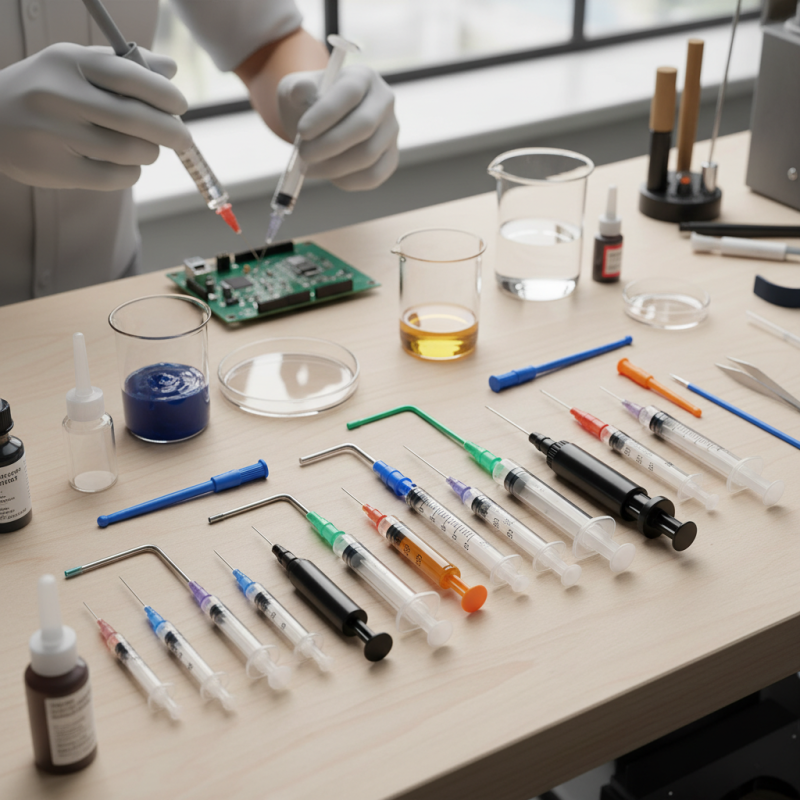
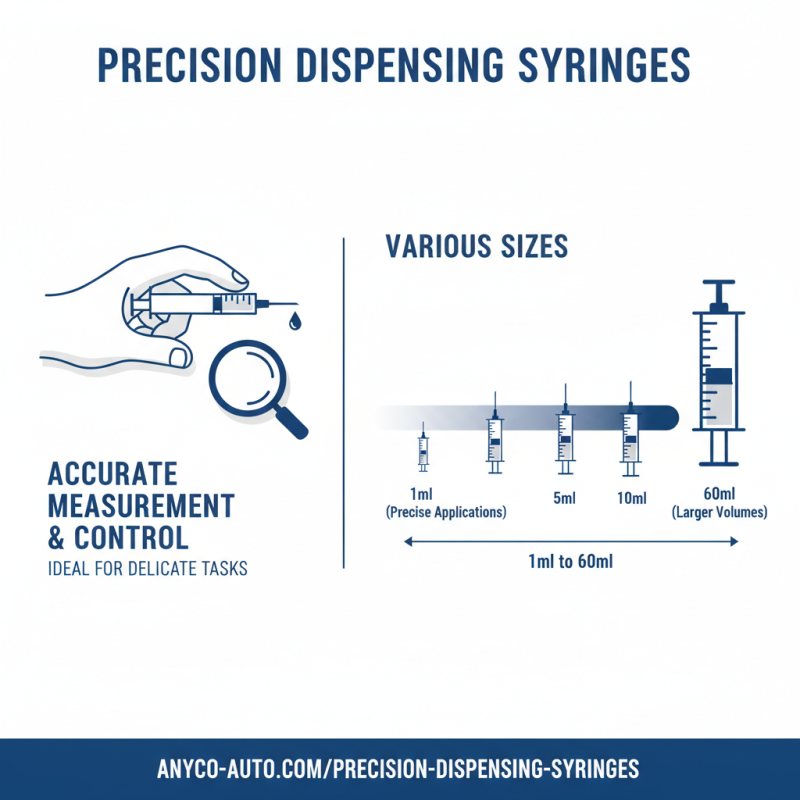
When choosing dispensing syringes, it's crucial to understand the various types available. Precision Dispensing Syringes offer accurate measurement and control, making them ideal for delicate tasks. These syringes come in various sizes, often ranging from 1ml to 60ml. Smaller sizes are perfect for precise applications, while larger syringes accommodate bigger volumes.
Another aspect to consider is the tip design. Some syringes have blunt tips, suitable for thicker substances. Others have sharp points for more delicate tasks. Each design impacts fluid flow and user experience. Familiarity with your required application helps determine the best choice.
Material plays a key role as well. Syringes can be made of plastic or glass. Plastic syringes are lightweight but might not provide the same precision as glass alternatives. Glass syringes offer durability and easy cleaning, but they can be fragile. Selecting the appropriate material is essential for efficiency. It might require practice to determine the perfect fit for specific tasks.
When selecting the right dispensing syringes, materials and safety features should be top priorities. Many syringes are made from glass or plastic. Each material has its pros and cons. Glass syringes are durable. Yet, they can break easily. Plastic syringes are lightweight and less likely to shatter. But, they may not be as environmentally friendly.
Consider the safety features in addition to material. A safety syringe can minimize the risk of needlestick injuries. Look for designs that contain built-in safety locks or retractable needles. These features can protect users effectively. Do remember that not all syringes are created equal. Some might lack proper certifications for safety or material quality.
Tip: Evaluate what fits best for your needs. Do you prioritize durability or weight? Another suggestion is to check if syringes come with clear dosage markings. Proper markings help in accurate dispensing. Such details can prevent mistakes in medication delivery. Choose wisely, as the right choice can make a significant difference.
When selecting dispensing syringes, size and volume capacity are vital. Different tasks require different syringe sizes. For precise applications, small syringes are ideal. Larger syringes can accommodate greater volumes. Always consider what you'll be dispensing.
If you're working with a liquid, think about its viscosity. Thicker fluids may need a larger volume capacity. A small syringe might struggle with such substances. On the other hand, simple tasks may not require large syringes. You might waste material with an oversized syringe.
Focusing on Dispensing Valves, they play a crucial role in syringe function. Not all valves are created equal. Some are better for fine control, while others are suited for high-flow applications. Choosing the right valve can enhance your efficiency. Test a few options before settling on one. You might discover a better fit through experimentation.
| Tip Number | Key Consideration | Recommended Size | Volume Capacity |
|---|---|---|---|
| 1 | Assess your application | 1 mL | 0.1 - 1 mL |
| 2 | Consider viscosity of the liquid | 5 mL | 1 - 5 mL |
| 3 | Choose the right needle gauge | 2.5 mL | 1 - 3 mL |
| 4 | Consider sterilization requirements | 1 mL | 0.5 - 1 mL |
| 5 | Check material compatibility | 10 mL | 2 - 10 mL |
| 6 | Evaluate ease of use | 3 mL | 1 - 5 mL |
| 7 | Review the required precision | 0.5 mL | 0.1 - 0.5 mL |
| 8 | Assess disposal requirements | 1.5 mL | 0.5 - 1.5 mL |
| 9 | Consult with suppliers | 20 mL | 10 - 20 mL |
| 10 | Understand legal and regulatory standards | 5 mL | 2 - 5 mL |
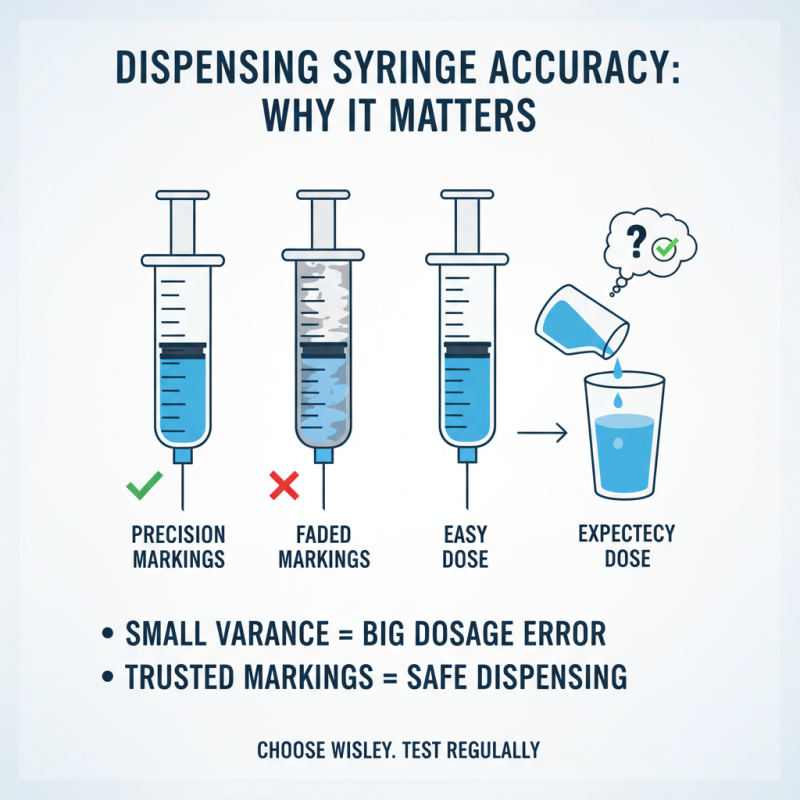
When choosing dispensing syringes, accuracy must be a top priority. Many assume all syringes are alike, but this isn't true. A slight variance in measurement can lead to significant dosage errors. Precision in the markings is crucial. If the markings fade, it can jeopardize the accuracy of each dispense. An easy test is to fill the syringe with water and see if it dispenses the expected amount.
Assessing the Dispensing Plunger is equally important. A well-functioning plunger smoothly moves without excessive force. A sticky or stiff plunger can introduce variability into your measurements. It may seem minor, but an imperfect plunger can affect the final outcome. Consider how often you’ll use the syringe. Frequent use means wear and tear. Over time, syringes lose accuracy, requiring frequent replacements.
Careful selection of dispensing syringes ensures reliable results. Precision is key in many applications, especially where errors can be costly. Regularly check both the syringe and its plunger. This simple habit will help maintain the integrity of your work. A focus on these details can prevent larger issues down the line.
When selecting dispensing syringes, design and ergonomics are crucial. A syringe should feel comfortable in hand. Look for carefully crafted grips that reduce strain. The design should not slip during use. A well-designed syringe can improve precision and reduce user error.
Weight matters too. A lightweight syringe allows for easier handling. However, it should feel sturdy enough to instill confidence. Some users may prefer a heavier syringe for stability, making the choice subjective. There’s no one-size-fits-all solution.
Pay attention to the plunger. A smooth, responsive plunger can greatly enhance usability. It should not require excessive force to operate. Some syringes may have design flaws that make plunging difficult, leading to frustration. Always consider personal comfort and habitual use pattern in testing different models.
When selecting dispensing syringes, compatibility with various liquids is crucial. Different materials react uniquely with solutions. For instance, some syringes work well with viscous liquids. Others may warp or leach chemicals into the solution. It’s essential to understand the type of liquid you will use. Some commonly used syringes may not hold up against acidic or alkaline substances.
Consider using a 2k Dispensing System for challenging applications. This system ensures versatility and reliability across multiple solutions. However, it's important to test syringes for each specific liquid to avoid unexpected reactions. Sometimes, a syringe that works with one liquid may fail with another. Conducting small-scale trials can help identify these incompatibilities. Keep an eye out for any changes in syringe integrity over time.
It's tempting to overlook the importance of compatibility. Many users focus solely on functionality. Yet, if you choose the wrong syringe, it can lead to waste and contamination. Regular evaluations and updates on materials used in your syringe are necessary. Trusting only one type may not always be wise, especially in complex applications. Always prioritize safety and quality in your selection process.
When selecting dispensing syringes, finding reliable suppliers is crucial. Suppliers should have a history of quality products. Research their reputation in the industry. A quick online search can reveal important details. Look for suppliers with certifications and compliance with safety standards. This ensures you receive the best quality.
Checking customer reviews is another key step. Customer feedback often reflects the true quality of products. Look for verified reviews that highlight specific experiences. Did users notice accuracy and ease of use? What about the durability of the syringes? This detailed information can guide your decision.
However, beware of overly positive reviews. Some could be biased or fake. A mix of positive and negative reviews is often more reliable. Balance is essential when evaluating feedback. Take your time to read through various sources. This helps refine your choices and avoid potential pitfalls.
When it comes to enhancing operational efficiency in industrial settings, the role of accessories for dispensing jet valves cannot be overstated. Among these accessories, the Pneumatic Valve Striker stands out as a critical component that directly influences performance. By utilizing ultra-durable materials such as tungsten carbide or hardened stainless steel, these strikers are designed to endure over 10 million cycles without degradation. This longevity not only minimizes downtime but also translates into significant cost savings for manufacturers who rely on consistent and reliable operations.
The precision machining process, with a tolerance of ±0.005mm, ensures that each plunger or striker pin operates optimally within its designed parameters. This high degree of accuracy is essential for achieving consistent valve opening and closing, which is paramount in processes that involve high-frequency applications, potentially reaching up to 300Hz. Such specifications highlight the importance of investing in quality components, as they enable tighter control over dispensing accuracy, resulting in reduced waste and improved product consistency.
Moreover, the self-lubricating coating on these strikers further mitigates wear and tear, contributing to their efficiency in high-cycle environments. According to industrial efficiency reports, organizations that incorporate advanced accessory components like pneumatic valve strikers can experience up to a 20% improvement in operational efficiency. This statistic underscores the necessity for businesses to prioritize quality and precision in their choice of jet valve accessories, ensuring they remain competitive in an increasingly demanding market.
: The articles discuss various aspects of daily life, challenges, and personal growth.
Start by setting small, achievable goals. Focus on one task at a time for better results.
Take a break. Step outside or practice deep breathing to clear your mind.
Yes, reflecting helps understand your feelings and can lead to personal growth.
Keep a journal. Write down your feelings and remind yourself of past successes.
Self-care is vital. It helps you recharge and maintain a positive mindset.
Reach out to friends and family. Attend local events to meet new people.
Mistakes are part of life. Learn from them and move forward with a positive attitude.
When selecting the right dispensing syringes, it is essential to understand the various types available in the market. Each type may cater to different applications, influencing the choice based on specific needs. Evaluating the material and safety features ensures that the syringes are reliable and suitable for the intended use. Additionally, considering the size and volume capacity is crucial for effective dispensing, while the accuracy and precision of the syringes can significantly impact the outcomes of their application.
Ease of use also plays a vital role; hence, examining the design and ergonomics of dispensing syringes can enhance user experience. Furthermore, it is important to review the compatibility of syringes with various liquids and solutions to avoid any issues during usage. Finally, finding reliable suppliers and checking customer reviews can provide valuable insights into the quality and performance of the syringes. By thoroughly assessing these factors, one can confidently choose the right dispensing syringes for their specific requirements.