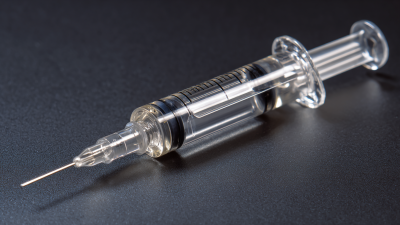
Choosing the right Dispensing Syringes for your needs is actually pretty important if you want accurate and smooth operation, whether you're working in healthcare, research, or industrial stuff. These syringes come in all sorts of sizes, types, and materials—each one made for different purposes. So, getting a good handle on these options is pretty much essential if you want to pick the best one to fit your workflow.
In this guide, we’re gonna break down the whole process of picking the right dispensing syringe. We’ll look at things like what substances they work with, how precise they are, and how easy they are to handle. By understanding these key points, you can make smarter choices that not only boost your efficiency but also keep things safe. With the right info, navigating the wide world of dispensing syringes gets a lot simpler—so you can find the perfect match for your project. Trust me, it’s all about making things run more smoothly and getting better results.
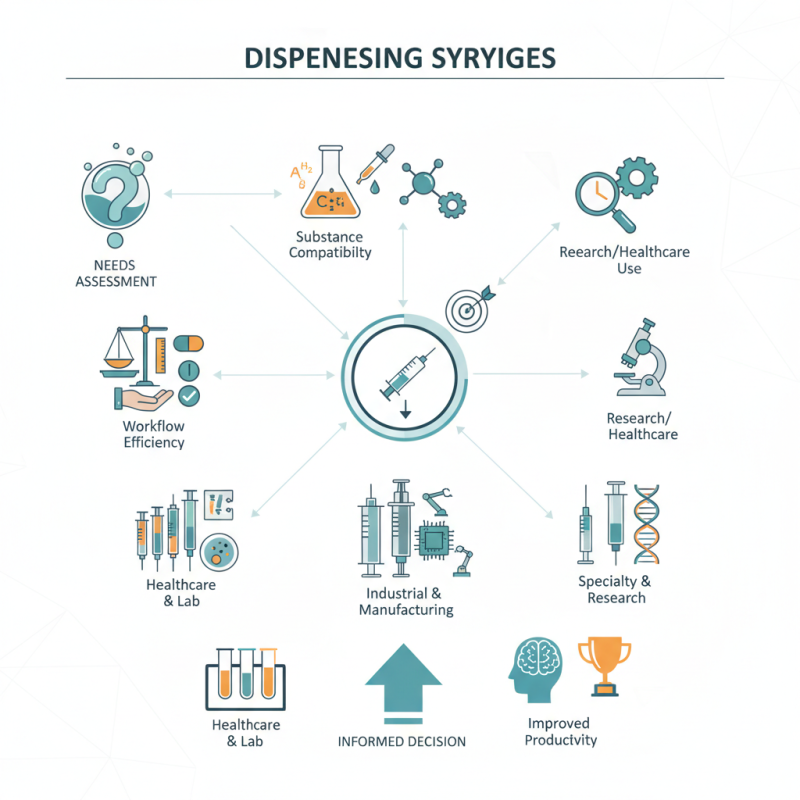
Understanding the Different Types of Dispensing Syringes Available
When selecting a dispensing syringe, it is crucial to understand the various types available to meet specific needs. Generally, dispensing syringes can be categorized into standard, luer lock, and safety syringes. Standard syringes are commonly used for general applications, providing a straightforward option for accurate dosing. Luer lock syringes, which feature a secure connection for needles, are ideal for applications that require precision and reduced risk of leaks. In recent studies, luer lock syringes have shown to minimize medication waste by up to 10%, thereby enhancing efficiency in clinical settings.
In addition to standard options, there are specialized syringes designed for specific applications. For instance, antibiotic syringes have become increasingly popular in settings where precise medication delivery is paramount. Research conducted by industry analysts indicates that the demand for specialty syringes is expected to grow by 8% annually over the next five years, driven by advancements in healthcare practices and an increased focus on patient safety. Furthermore, safety-engineered syringes, which are equipped with mechanisms to prevent needlestick injuries, are gaining traction, particularly in hospitals, where the risk of accidental exposure is a significant concern. Understanding these categories will empower users to make informed decisions tailored to their particular dispensing needs.
Key Factors to Consider When Selecting a Dispensing Syringe
When choosing the right dispensing syringe, several key factors should be considered to ensure that it meets your specific needs. One of the most important factors is the material of the syringe. Common materials include polypropylene and glass, each offering different benefits in terms of chemical compatibility and ease of sterilization. According to a recent industry report from MarketsandMarkets, the global market for medical disposable syringes is projected to reach USD 5.9 billion by 2025, driven by advancements in materials and increased demand for precise dispensing solutions.
Another significant factor is the size and capacity of the syringe. Syringes come in various volumes, typically ranging from 0.5 mL to 60 mL, and selecting the right size is essential for dosage accuracy. For instance, a study published in the Journal of Pharmaceutical Sciences highlights that using a syringe that closely matches the desired dose can significantly reduce the risk of both under-dosing and over-dosing. Additionally, the gauge and length of the syringe needle can influence performance; finer needles decrease the chance of cross-contamination and provide greater comfort for the user.
Finally, consider the design and features of the dispensing syringe. Ergonomic designs with textured grips can enhance usability, particularly in high-volume settings where comfort is crucial. Features like clear graduation markings and Luer lock tips further improve accuracy and reliability. A recent survey indicated that 78% of healthcare professionals prioritize ergonomics and ease of use when selecting medical devices, underscoring the importance of thoughtful design in dispensing syringes.
Assessing the Material Compatibility of Dispensing Syringes
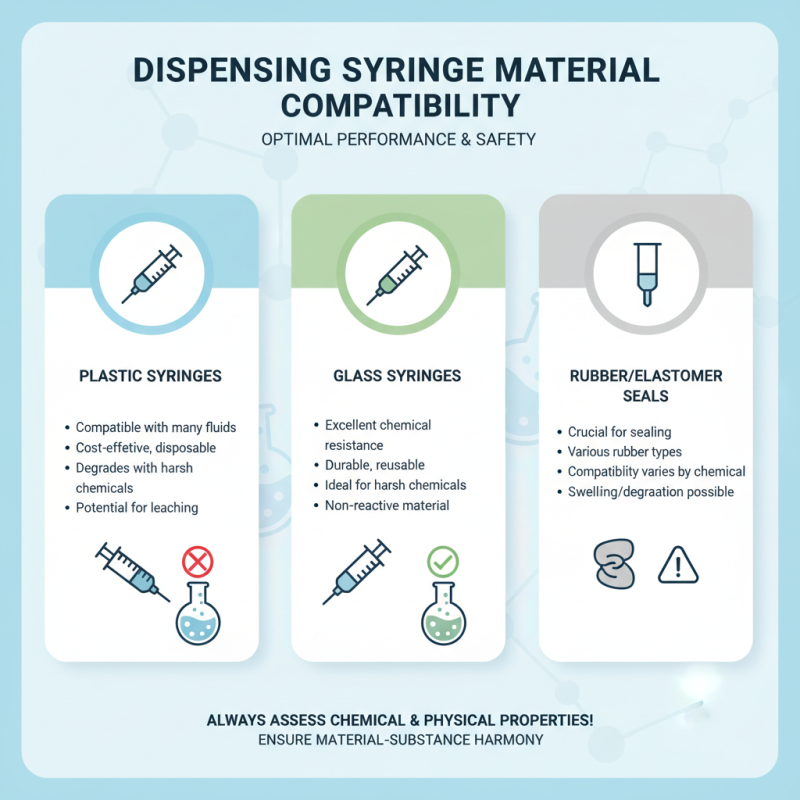
When selecting a dispensing syringe, assessing material compatibility is crucial to ensure optimal performance and safety. Different materials used in syringes such as plastic, glass, or rubber can interact variably with the substances they dispense. Hence, understanding the chemical and physical properties of the material is essential. For example, certain plastics may degrade over time when in contact with harsh chemicals, while glass syringes tend to be more resistant and suitable for a wider range of applications.
In addition to chemical compatibility, the potential for leachables or extractables from the syringe material must be considered. These are substances that can migrate from the syringe into the dispensed product, potentially altering its composition or effectiveness. It is essential to evaluate whether the chosen syringe material will not adversely affect the quality of the contents being dispensed. Moreover, factors like temperature resistance and viscosity compatibility also play a significant role. By carefully selecting a syringe that aligns with the specific requirements of the medium being dispensed, users can enhance the efficiency and safety of their dispensing process.
Determining the Appropriate Size and Volume for Your Needs
Choosing the right dispensing syringe is essential to ensure accurate delivery of fluids. The size and volume of the syringe should be aligned with the specific requirements of the task at hand. For instance, according to industry studies, a syringe volume range from 1 mL to 60 mL is critical for applications that vary in scale, particularly in precision medicine and laboratory settings. Smaller syringes are typically preferred for precise measurements, while larger syringes are suited for higher volume delivery.
When selecting the appropriate size, consider both the viscosity of the fluid being dispensed and the required accuracy. Studies indicate that syringes with a lower dead volume provide improved precision, especially for therapeutic applications where small quantities are critical. A syringe with a barrel size that complements the volume can significantly minimize waste and enhance delivery efficiency.
Tips:
- For highly viscous fluids, a syringe with a larger diameter is advisable to ease the dispensing process and reduce the force required.
- Always choose a syringe with clear calibration markings to ensure accurate measurement of the fluid being dispensed, catering to applications where precision is paramount.
- Consider the compatibility of the syringe material with the fluid, as this can affect both the integrity of the fluid and the effectiveness of the dispensing process.
Evaluating the Accuracy and Precision of Dispensing Syringes
When selecting a dispensing syringe, evaluating accuracy and precision is crucial to ensure reliable and consistent dosing. Accuracy refers to how close a measured volume is to the true value, while precision indicates the repeatability of measurements under identical conditions. According to a report by the National Institute of Standards and Technology (NIST), small variations in syringe design and manufacturing can significantly influence these attributes, making it essential to choose models that adhere to industry standards for quality control.
Recent studies highlight that syringe calibration and the materials used in their construction directly impact both accuracy and precision. For instance, a publication from the International Journal of Pharmaceutics indicates that syringes made from high-grade plastics exhibit lower variability in dosing, ensuring more accurate measurements. Furthermore, precision is markedly enhanced with syringes designed with smaller increment markings, allowing for more detailed dosing, which is particularly important in fields such as pharmaceuticals and laboratory research. Understanding the nuances of these factors not only contributes to improved outcomes but also ensures compliance with regulatory standards, which often require rigorous testing of dispensing devices.
Dispensing Syringe Accuracy and Precision Comparison
Exploring Safety Features in Dispensing Syringe Design
When choosing a dispensing syringe, safety features should be a paramount consideration. Modern syringe designs incorporate various elements aimed at minimizing the risk of accidental needle-stick injuries, contamination, and improper dosage. One of the critical safety features is the needle safety mechanism, which can retract or shield the needle after use, helping to prevent accidental exposure. Such mechanisms are essential in healthcare settings, where the risk of infection and injury is heightened.
Moreover, the materials used in syringe construction also play a significant role in safety. Biocompatible materials reduce the risk of adverse reactions when the syringe comes into contact with medication or the patient’s body. Additionally, clear markings on the syringe barrel enhance dosage accuracy, reducing the likelihood of dosage errors that can have serious health implications. User-friendly design is another aspect related to safety; syringes with ergonomic grips and intuitive features can reduce user fatigue and enhance take-up during administration, ensuring a smoother, safer process.
In conclusion, understanding the safety features available in dispensing syringes is crucial. By prioritizing designs that offer enhanced safety mechanisms, healthcare professionals can better protect both themselves and their patients during medication administration, ensuring a high standard of care and minimizing risks associated with improper syringe use.
Tips for Proper Use and Maintenance of Dispensing Syringes
When it comes to using dispensing syringes, proper use and maintenance are essential for achieving accurate measurements and ensuring safety. First and foremost, always select the right syringe based on your specific needs. Consider factors like the volume you need to dispense and the nature of the liquid. This ensures that you will be able to perform your tasks efficiently and avoid complications.
Tips for proper use include keeping the syringe clean and free from contaminants. Always use a new syringe for each different substance to prevent cross-contamination, and make sure to handle the syringes with clean hands. When dispensing, hold the syringe vertically to ensure that you can measure accurately. Also, do not force liquid through the syringe, as this can create bubbles and lead to inaccurate doses.
In terms of maintenance, regularly inspect your syringes for any signs of wear or damage. If a syringe is stained, cloudy, or has a damaged plunger, it's time to replace it. Store syringes in a cool, dry place to prolong their lifespan, and avoid exposing them to extreme temperatures or direct sunlight. Following these tips will help ensure that your dispensing syringes remain reliable and effective for all your needs.
Enhancing Precision in Manufacturing: A Comprehensive Guide to Domestic Industrial Dispensing Jet Valve Accessories
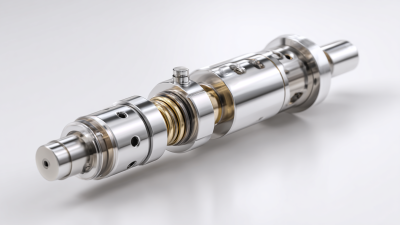
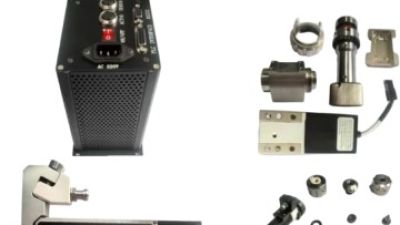
In the realm of modern manufacturing, precision is critical, especially in the field of electronics where small tolerances can significantly impact product performance. This guide delves into the essential components of domestic industrial dispensing jet valve accessories, emphasizing their importance in enhancing manufacturing precision. The jet valve accessories, designed with orifice sizes ranging from 0.1mm to 0.5mm, offer precision control within ±0.01mm, ensuring accurate dispensing for various applications.
One of the standout features of these accessories is their ability to operate at a maximum frequency of 500Hz, which translates to a rapid 2ms response time. This high-frequency operation facilitates non-contact dispensing of dots and lines, with widths ranging from 50µm to 3mm. The use of tungsten carbide nozzles, renowned for their durability and excellent surface finish of less than 5µm, ensures that the dispensing process remains consistent and reliable, which is crucial for tasks such as PCB underfill and precision bonding. By integrating these advanced dispensing jet valves into manufacturing processes, companies can significantly elevate their production standards and achieve superior quality in their electronic components.
FAQS
: The main types of dispensing syringes include standard syringes, luer lock syringes, specialized syringes, and safety-engineered syringes. Each type serves different applications and needs.
Luer lock syringes provide a secure connection for needles, reducing the risk of leaks and enhancing precision in medication delivery. They can also help minimize medication waste by up to 10%.
Material compatibility is crucial because different syringe materials can interact with the substances they dispense, potentially affecting performance and safety.
Concerns include the degradation of certain plastics with harsh chemicals and the risk of leachables or extractables from the syringe material altering the composition or effectiveness of the dispensed product.
Safety-engineered syringes are designed with mechanisms that prevent needlestick injuries, making them particularly valuable in environments like hospitals where accidental exposure is a risk.
Additional factors include temperature resistance, viscosity compatibility, and the specific requirements of the medium being dispensed to ensure efficiency and safety in the dispensing process.
Specialized syringes, such as antibiotic syringes, are tailored for precise medication delivery in specific applications, reflecting the growing demand for specialty syringes in healthcare.
The demand for specialty syringes is expected to grow by 8% annually over the next five years, driven by advancements in healthcare practices and a focus on patient safety.
By carefully selecting a syringe that aligns with the material compatibility and specific requirements of the substances being dispensed, users can enhance the efficiency and safety of their dispensing processes.
Glass syringes tend to be more resistant and can be suitable for a wider range of applications, making them preferable for certain dispensing scenarios where durability is a priority.
Conclusion
Choosing the right dispensing syringes is crucial for achieving accurate and effective results in various applications. This comprehensive guide walks you through understanding the different types of dispensing syringes available and highlights key factors to consider, such as material compatibility, appropriate size and volume, and the importance of accuracy and precision. Furthermore, the article emphasizes exploring safety features designed to protect both the user and the substance being dispensed.
In addition to selection criteria, the guide also offers practical tips for the proper use and maintenance of dispensing syringes, ensuring longevity and reliability. Whether you are working in a lab, manufacturing, or home crafting, understanding these aspects will help you make informed decisions that meet your specific dispensing needs effectively.