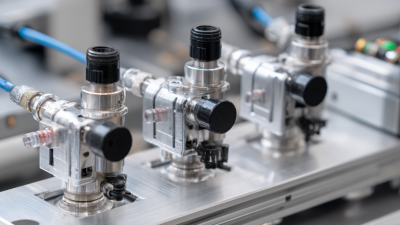
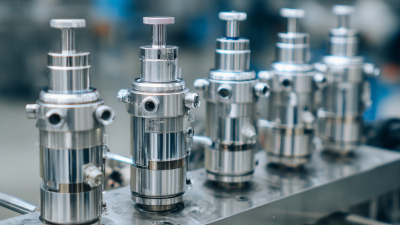
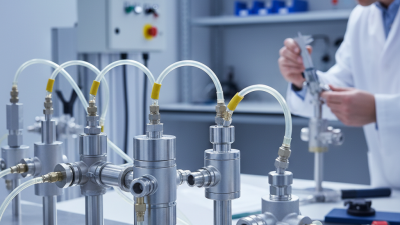
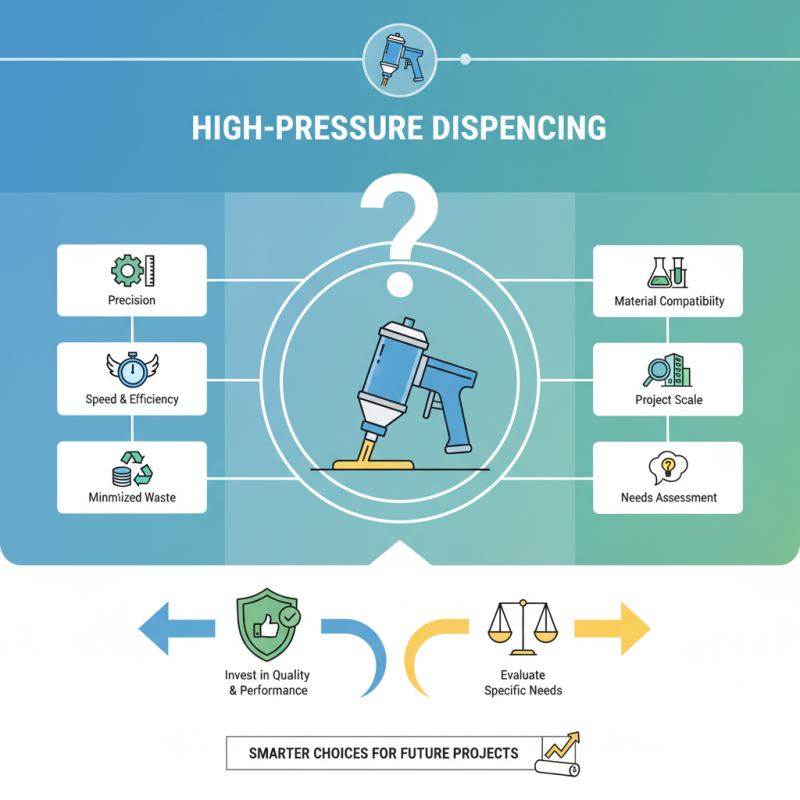
You know, when it comes to manufacturing and construction, precision really is everything. Picking the right tools can make a huge difference in how smoothly your project turns out. Take, for example, a High-Pressure Dispensing Tool — it’s pretty impressive when it comes to both effectiveness and efficiency. This kind of tool is built to apply materials accurately and quickly, so it’s perfect for a lot of different jobs.
Thinking about it, using a High-Pressure Dispensing Tool can really help streamline your workflow. It cuts down on waste and helps make the most of your resources. But, to be honest, not every project is a perfect fit for this kind of tool. Things like what materials you're working with and how big the project is really matter and should be thought through.
Looking back at some of my past projects, I realize there’s often room for better tool choices. Going for a High-Pressure Dispensing Tool definitely shows you’re investing in quality and performance. Still, it’s super important to double-check if it actually makes sense for your specific needs. Getting a good grasp on these things can really help you make smarter decisions down the road.
High-pressure dispensing tools have become essential in various industries. Their ability to achieve precise applications makes them widely sought after. According to recent industry reports, using high-pressure systems can increase efficiency by up to 40%. This is significant for sectors like automotive, aerospace, and construction. The ability to dispense materials accurately reduces waste and enhances product quality.
These tools excel in applications such as sealant and adhesive dispensing. They ensure that materials are applied evenly, which minimizes the risk of defects. A study reveals that projects utilizing high-pressure dispensing experience a 30% reduction in labor costs. This impact is crucial for businesses looking to streamline operations. It’s vital to recognize that improper use can lead to issues, such as over-application.
Tip: Always train your team on using high-pressure dispensing tools effectively.
Consider maintenance as well. If not properly maintained, these tools can underperform. Regular checks can prevent costly delays. Be mindful of how environmental factors like temperature can influence material viscosity, affecting application consistency.
Tip: Monitor workplace conditions regularly to ensure optimal use of dispensing tools.
| Application | Benefits | Pressure Range (psi) | Viscosity Handling (cP) | Cost Efficiency |
|---|---|---|---|---|
| Industrial Adhesives | High precision and control | 500 - 1500 | 1000 - 5000 | Reduces waste and increases output |
| Automotive Assembly | Enhanced bonding strength | 700 - 2000 | 500 - 3000 | Improves product durability |
| Electronics Encapsulation | Prevents moisture and dust ingress | 1000 - 2500 | 200 - 1000 | Cost-effective long-term protection |
| Medical Device Manufacturing | Precision dispensing for sensitive materials | 500 - 3000 | 500 - 2000 | Ensures compliance with standards |
| Cosmetic Packaging | Uniform and attractive application | 600 - 1800 | 100 - 800 | Reduces product spoilage |
High-pressure dispensing technology is a highly efficient solution for various projects. Its mechanism relies on applying significant pressure to ensure precise material delivery. This technology often uses a Solenoid Magnet Tool for accurate control. The solenoid allows quick on-off operation, enhancing efficiency.
When utilizing high-pressure dispensers, attention to detail is crucial. The pressure must be managed carefully. Too much pressure can lead to waste or errors in application. An ideal setting balances speed and accuracy. Many users find it challenging to achieve this balance. Fine-tuning pressure settings takes time and practice.
The materials used in high-pressure dispensing also affect results. Viscosity and composition play a role in performance. Not every material performs well under high pressure. Conducting small tests can help identify issues. Users may discover that some projects demand adjustments or changes in technique. Through experimentation, one can refine their approach and improve overall outcomes.
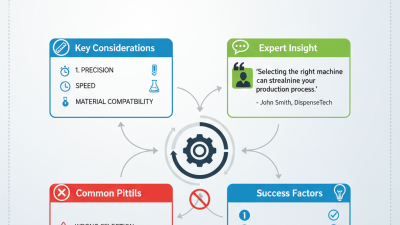
When selecting a high-pressure dispensing tool, consider key features that enhance your projects. A durable construction ensures longevity, especially when handling various materials. Look for tools that offer ergonomic designs. They reduce hand fatigue during long hours of use. It’s essential that the tool is comfortable to hold, especially under pressure.
Another critical feature is precision control. Fine dispensing can elevate the quality of your work. Tools with adjustable flow rates offer this capability. A Solenoid Valve Magnet Tool is an example of a device that can provide precise control over fluid output. Such tools can be particularly useful for intricate applications. Easy cleanup and maintenance features can also save time. Disassembling for cleaning should not be complicated.
Consider the weight of the tool. Heavier tools can be cumbersome, while lighter options may not have the same durability. Striking that balance is necessary. Some users may find them challenging to handle, leading to mistakes. Assessing these factors ensures that the investment enhances efficiency and output quality. Your specific needs will guide the final decision.
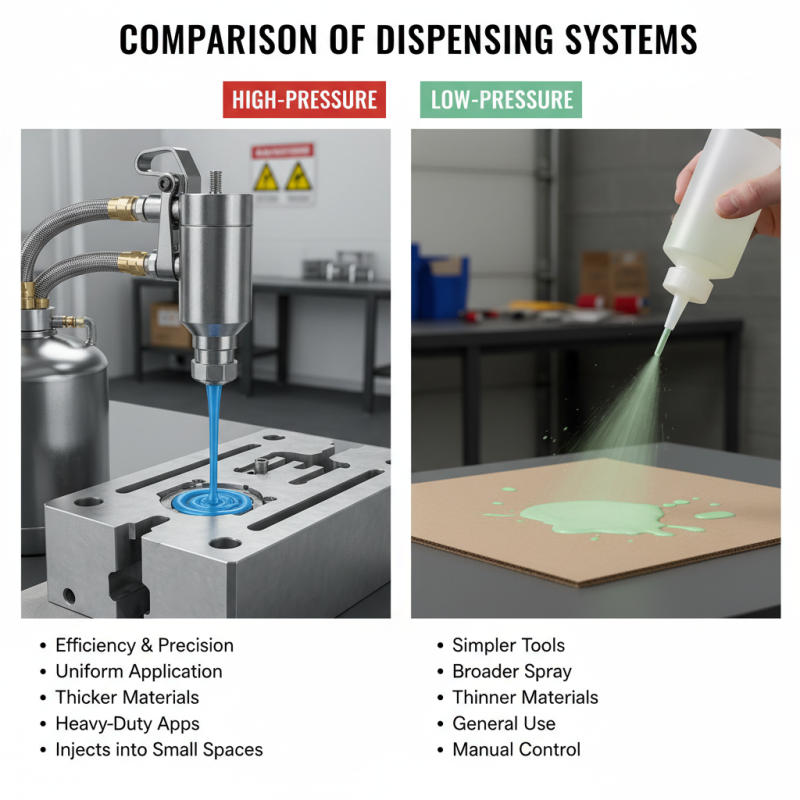
When considering dispensing systems for various projects, one crucial factor is the pressure level. High-pressure dispensing tools are known for their efficiency and precision. They ensure a more uniform application, which is vital in industrial settings. These tools work well with thicker materials, making them suitable for heavy-duty applications. They can inject fluids more effectively into small spaces or intricate designs. However, operators must be trained to handle these tools safely.
In contrast, low-pressure dispensing systems provide a gentler touch. They are ideal for delicate tasks where minimal pressure is required. This reduces the risk of damage to sensitive components. Yet, the trade-off is often in speed and material compatibility. Some projects may suffer delays because low-pressure systems just don’t apply products as quickly. Ultimately, deciding between these two systems will impact project outcomes. It's essential to weigh the benefits of High-Pressure Fluid Fittings against the application needs.
High-pressure dispensing tools have transformed project efficiency and precision significantly. According to a recent industry report, using high-pressure techniques can increase application speeds by up to 30%. This not only saves time but also reduces labor costs. When you choose high-pressure tools, you ensure a more consistent application, which is crucial for intricate tasks.
Tips for choosing the right tool: Focus on design and ergonomics. A comfortable grip makes the tool easier to handle. Pay attention to the specifications of the High Pressure Solenoid Valve used. This component can make or break the functionality of your dispensing system. Explore various nozzle sizes for different applications. Each project may require a specific flow rate and pressure level.
While high-pressure tools boost efficiency, they can also be challenging. Improper use may lead to over-application or waste of materials. Training and experience are vital for optimal performance. Always evaluate the results after each project. Reflect on what worked and what didn't. Understanding these factors can guide future tool selections and usage adjustments.
High-pressure dispensing tools are pivotal in various industries. They work efficiently with multiple materials. Commonly used materials include adhesives, sealants, and coatings. These substances often require precise application to ensure performance and durability.
For instance, adhesives in construction projects significantly benefit from high-pressure systems. According to a report by the Adhesives and Sealants Industry, the use of high-performance adhesives can enhance structural integrity. Sealants, on the other hand, are crucial in automotive applications. A study noted that over 70% of manufacturers prefer high-pressure dispensing for consistent bead shapes. This consistency can prevent future repairs, which is often underestimated in cost assessments.
However, using these tools isn't without challenges. Some materials may present viscosity issues. High-pressure can create excess foaming in certain sealants. Issues like these can arise, leading to wasted materials. Additionally, precision is paramount. Miscalculations can result in expensive rework. Balancing efficiency and accuracy is crucial, yet difficult. Understanding the nuances of material behavior under pressure is vital for achieving optimal results.
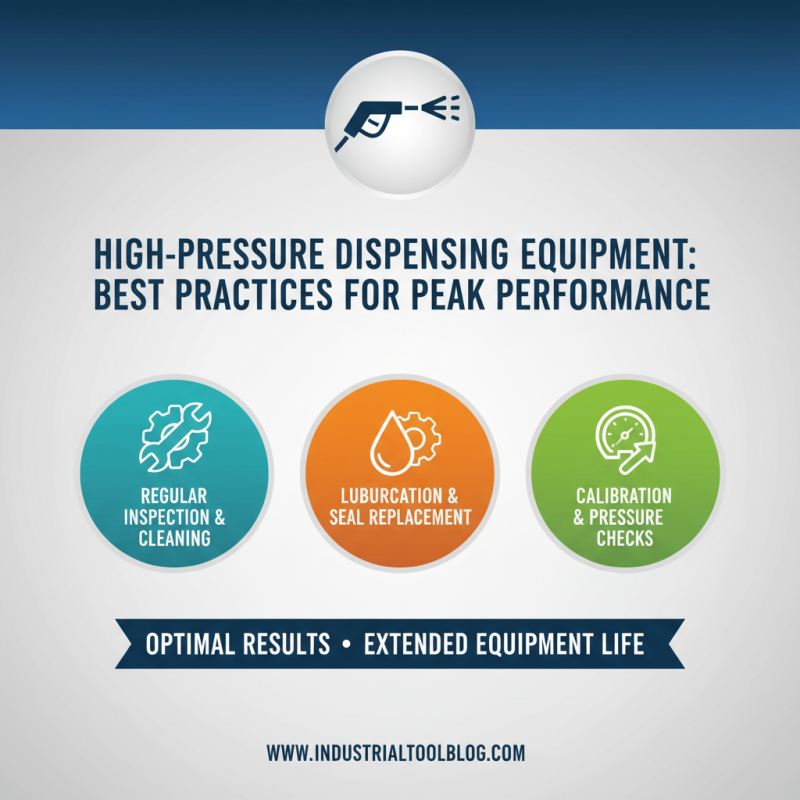
High-pressure dispensing tools are essential for various projects. They provide precision and efficiency. However, without proper maintenance, their performance can decline. Keeping equipment in top shape is vital for achieving optimal results.
One key practice is regular cleaning. Residues from previous materials can clog dispensers. This leads to uneven flow and wasted resources. Scheduled inspections help catch problems early. Look for wear and tear, and replace any damaged parts promptly. It’s easy to overlook these details, but doing so can save time and money in the long run.
Storage conditions are equally important. High-pressure tools should be kept in a dry environment. Humidity can cause corrosion and degradation. Make notes about environmental conditions and adjust as needed. Although it may seem tedious, maintaining a record can help identify patterns. This awareness can lead to smarter decisions in managing your equipment. Remember, even small missteps can have big consequences. Regular vigilance ensures your projects run smoothly.
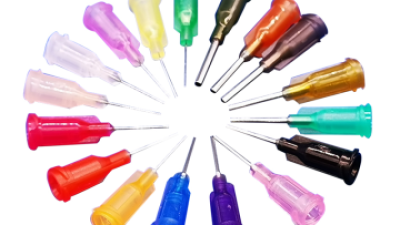
Industrial dispensing needles are essential tools in various manufacturing processes, especially when working with materials like metal, plastic, and polypropylene (PP). Their versatility is highlighted by their ability to deliver precise bead widths ranging from 0.1mm to 2.0mm while maintaining an impressive ±5% consistency. This precision not only boosts the efficiency of material application but also ensures that the final product meets quality standards and specifications.
Another significant advantage of modern dispensing needles is their material optimization. Constructed from stainless steel and frequently coated with ETFE or Teflon, these needles are designed to prevent clogging during prolonged use, lasting over 100 hours under continuous operation. This durability is crucial for industrial applications where downtime can lead to substantial delays and increased costs. Additionally, the tapered designs, available in angles between 15° and 30°, facilitate low-pressure dispensing of a wide range of fluids with viscosities from 50 to 500,000 cP. This feature allows manufacturers to work with diverse materials seamlessly, tailoring their dispensing strategies to suit the characteristics of each substance.
: Key features include durable construction, ergonomic design, and precision control for better performance.
Heavier tools may be cumbersome, while lighter ones may lack durability. Balance is essential for ease of use.
It ensures fine dispensing, elevating work quality, especially in intricate applications.
Regular cleaning, scheduled inspections, and prompt replacement of worn parts are vital for performance.
Regular cleaning is essential to prevent clogs and ensure even flow. Make it a routine.
Yes, incorrect application may cause over-application and material waste. Training is crucial.
Regular inspections help catch wear and tear early, saving time and money in the long run.
Keep tools in a dry environment to avoid corrosion. Monitor conditions frequently.
Regular maintenance and vigilance are key. Small missteps can lead to significant issues.
Evaluate results after each project. Note what worked well and what didn’t for better decisions.
High-Pressure Dispensing Tools are essential for enhancing the efficiency and precision of various applications in industries such as manufacturing and construction. These tools operate by utilizing high pressure to dispense materials rapidly and accurately, making them ideal for projects that demand meticulous detailing. When selecting a dispensing tool, it is crucial to consider key features such as pressure range, nozzle size, and compatible materials to ensure optimal performance.
The comparison between high-pressure and low-pressure dispensing systems highlights the advantages of the former, including improved speed and consistency. Common materials used with these tools range from adhesives to sealants, requiring proper maintenance practices to prolong service life. Understanding the mechanism behind high-pressure dispensing technology is vital for users to maximize their effectiveness while implementing best practices for equipment upkeep, ultimately driving project success.