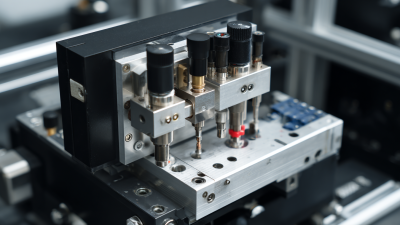
Hey, have you noticed? The solenoid valve market is really booming right now. Experts are actually predicting some serious growth, like, by 2026, it’s expected to hit around USD 6.36 billion, according to MarketsandMarkets. A big part of this push is due to more automation and the increasing need for smarter fluid control systems across all kinds of industries.
You know, the performance and reliability of these valves are pretty crucial—especially in sectors like oil and gas, water treatment, and HVAC setups. Companies like ASCO and Parker Hannifin are really pushing the envelope, innovating to make these valves not just more energy-efficient but also tougher and longer-lasting. Of course, it’s not all smooth sailing—there are still some hurdles, especially around quality control and making sure the materials used are compatible with different environments.
If you’re shopping around, it’s important to pay attention to these factors. Do some homework on suppliers, check out their credentials, and really dig into the specs of the products. The goal is to find those valves that aren’t just good quality but also fit your specific needs and don’t break the bank. As this industry keeps changing, staying up-to-date with these trends is pretty much essential if you want to get it all right when buying. Basically, keeping informed is your best bet for making smart choices in this evolving market.
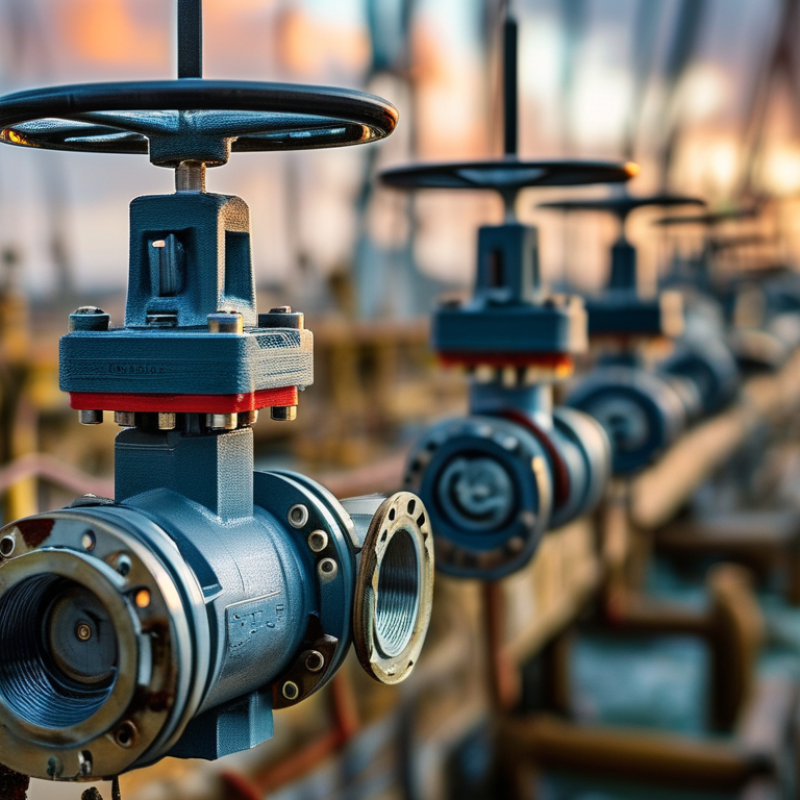
2026 Overview of Solenoid Valves and Their Applications
Solenoid Valves are crucial in various industries. They are used in hydraulic systems, irrigation, and industrial automation. According to industry reports, the global solenoid valve market is projected to reach $9.2 billion by 2026, growing at a CAGR of 6.5%. This growth indicates their increasing popularity and application across multiple sectors.
These valves function by using an electromagnetic solenoid to control fluid flow. This mechanism allows for precise control in applications like water treatment and HVAC systems. Data from the International Society of Automation highlights that efficient solenoid valves can enhance system performance and reduce energy consumption by up to 30%. However, improper installation or maintenance can lead to significant failures.
The applications of solenoid valves vary widely. They are pivotal in automotive fuel systems, healthcare equipment, and even robotics. Studies have shown that choosing the right type of solenoid valve can affect overall system efficiency. Yet, many users overlook maintenance. Regular monitoring and timely replacements are essential for optimal performance.
Key Factors to Consider When Choosing a Solenoid Valve
When selecting a solenoid valve, understanding the key factors is essential. One primary aspect is the valve's pressure rating. Getting this right can prevent significant failures. For instance, a study indicated that over 20% of valve failures stem from incorrect pressure choices. It is vital to match the valve to the application's specific demands to avoid future issues.
Another critical factor is the valve's materials. The right material ensures longevity and reliability. According to industry reports, using stainless steel can increase the valve's lifespan by up to 50%. Additionally, consider environmental factors like temperature and corrosion. Choosing the wrong material can lead to premature wear or leaks. This reflects the importance of thorough research in making decisions.
Flow rate is also a crucial metric. Solenoid valves must meet the necessary flow specifications. Insufficient flow rates can hinder system performance. For instance, the Nc Solenoid Valve is designed to optimize flow without sacrificing control. Recognizing how each of these factors affects overall performance is vital for decision-making. Reflection on past choices can lead to better future outcomes. A well-informed selection process can enhance operational efficiency and reliability.
2026 Best Solenoid Valve Options for Global Buyers
| Type | Voltage (V) | Connection Type | Material | Operating Temperature (°C) | Flow Rate (L/min) | Price Range (USD) |
| Direct Acting | 12 | Threaded | Brass | -10 to 80 | 15 | 25 - 35 |
| Pilot Operated | 24 | Flanged | Stainless Steel | -20 to 120 | 25 | 50 - 75 |
| Normally Closed | 110 | Compression | Nylon | 0 to 60 | 20 | 30 - 50 |
| Normally Open | 220 | BSP | Aluminum | -5 to 80 | 30 | 45 - 65 |
| Two-Way | 48 | Socket | PVC | -10 to 50 | 10 | 15 - 25 |
Top Solenoid Valve Manufacturers for Global Buyers in 2026
In 2026, the solenoid valve market continues to demonstrate robust growth, with estimates indicating a compound annual growth rate (CAGR) of around 4.5%. This surge stems from the increasing demand across various industries, including automotive, manufacturing, and oil and gas. Many global buyers need to navigate a landscape filled with choices and diverse functionalities.
Leading manufacturers exhibit a commitment to innovation and efficiency. As per recent industrial reports, over 60% of solenoid valve production now incorporates smart technology for better automation. This offers enhanced performance but also complicates selection for buyers. Understanding technical specifications and service options is crucial. Buyers sometimes overlook crucial details in their decision-making process. Technical support, warranty terms, and installation guidelines often receive insufficient attention.
Quality control remains a persistent challenge. In recent assessments, 25% of solenoid valves faced quality issues related to production inconsistencies. This can lead to operational failures, causing unexpected costs for buyers. Ensuring reliability in sourcing is imperative. Engaging with manufacturers who prioritize quality certifications can mitigate risks. However, not all manufacturers meet these standards consistently, posing a dilemma for global buyers navigating this evolving market landscape.
Comparative Analysis of Electric vs. Pneumatic Solenoid Valves
When choosing between electric and Pneumatic Solenoid Valves, various factors come into play. Electric solenoid valves, commonly referred to asAc Solenoid Valves, provide precise control and quicker response times. They operate silently and require less maintenance. According to a 2021 report by the International Society of Automation, electric solenoid valves can reduce energy consumption by up to 30% compared to their pneumatic counterparts. This efficiency makes them an appealing choice for many industries.
On the other hand, pneumatic solenoid valves offer significant advantages in robust environments. Their ability to withstand high pressuresand temperatures is notable. Industries like oil and gas often rely on them, as pneumatic systems maintain performance even in extreme conditions. However, Pneumatic Valves typically requiremore complex setup and maintenance, which can be a drawback for some manufacturers.
Tip: Before deciding, assess the operational environment. Consider factors like temperature, pressure, and required response time. Such details can shape your choice significantly. Balancing the need for efficiency with system complexity can lead to better decision-making in valve selection. Always evaluate the long-term implications of your choice on system performance and maintenance costs.
Innovative Technologies in Solenoid Valves for Enhanced Performance
Innovative technologies in solenoid valves are revolutionizing various industries. Manufacturers are focusing on enhancing performance while ensuring reliability and efficiency. Recent advancements include the development of Smart Solenoid Valves. These products use sensors to adjust flow rates automatically. This capability allows for better control and energy savings.
In addition, new materials are contributing significantly to solenoid valve performance. They increase durability and resist corrosion. Such improvements extend the lifespan of the valves. However, it is essential to approach these innovations with caution. Sometimes, the promise of new technology does not match real-world applications. Testing under various conditions is crucial before widespread adoption.
One noteworthy advancement is the integration of IoT technology into solenoid valves. This change allows for remote monitoring and diagnostics. It provides users with valuable data to optimize operations. Nevertheless, technology also raises concerns about cybersecurity. Protecting sensitive information in smart systems is vital. Consumers should stay informed about potential risks while embracing new features like those found in Ypc Solenoid Valve.
2026 Solenoid Valve Performance Comparison
Maintenance Tips for Prolonging the Life of Solenoid Valves
Regular maintenance is crucial for ensuring the durability of solenoid valves. One essential aspect is keeping the valves clean. Dust and debris can accumulate, acting as blockages. This can lead to premature failure. Cleaning the exterior and ensuring that no dirt seeps into the internal mechanisms can extend the lifespan significantly.
Another tip involves regularly inspecting electrical connections. Corrosion can affect performance. Check the wires and terminals for any signs of wear. Loose connections can lead to inconsistent operation, especially in critical systems like those using Dump Valve Solenoid. Addressing small issues promptly can prevent bigger problems down the line.
Lastly, it's worth considering the environmental factors affecting the solenoid valves. Temperature fluctuations can impact functionality. Using valves suitable for specific environments is essential. Even minor changes in temperature can affect performance significantly. Documenting these conditions and how they influence operation can help in future maintenance planning.
Global Market Trends and Future Outlook for Solenoid Valves
The global market for solenoid valves is evolving rapidly. Innovations in automation and remote monitoring are driving demand. Industries like automotive, oil and gas, and HVAC increasingly rely on solenoid valves for efficiency. These components manage the flow of liquids and gases with precision. As industries evolve, their needs change too.
Future trends suggest a focus on sustainability. Eco-friendly materials may become a standard in manufacturing. The growing emphasis on energy efficiency aligns with these developments. Smart technology integration will enhance valve performance as well. However, this shift demands extensive testing and validation to ensure reliability.
Challenges remain in the market landscape. Supply chain disruptions can impact availability. Manufacturers face pressure to innovate while keeping costs down. Adapting to these fluctuations is essential for success. Companies need to anticipate market needs continually. Embracing flexibility may be key in this changing environment.
FAQS
: Solenoid valves control fluid flow in various applications, including irrigation, hydraulic systems, and industrial automation.
They use an electromagnetic solenoid to precisely manage fluid movement, allowing for efficient operations in different systems.
Key factors include pressure rating, material choice, and flow rate. Each significantly impacts overall system efficiency.
Improper installation can lead to serious failures. Ensuring correct setup is vital for long-term performance and reliability.
Stainless steel is recommended for durability and reliability. Choosing the right material reduces wear and potential leaks.
Regular monitoring and timely replacements are essential to prevent inefficiencies and failures in your systems.
Electric valves offer precise control and lower energy use, while pneumatic valves perform well in harsh conditions but can be more complex.
Assess operational environment, including temperature and pressure, to guide your decision for optimal efficiency.
Insufficient flow rates can hinder system operation, making it crucial to select valves that meet flow specifications.
Reflecting on previous decisions can improve future selections, leading to better efficiency and reliability in operations.
Conclusion
The article "2026 Best Solenoid Valve Options for Global Buyers" provides a comprehensive overview of solenoid valves, highlighting their diverse applications across various industries. It outlines critical factors to consider when selecting a solenoid valve, such as pressure ratings, materials, and compatibility with existing systems. Additionally, the article features a comparative analysis of electric versus pneumatic solenoid valves, showcasing the advantages and limitations of each type.
Innovative technologies are also discussed, emphasizing enhancements in performance that can help meet the growing demands of the market. Further, the article offers maintenance tips to prolong the lifespan of solenoid valves, ensuring longevity and reliability in operations. Finally, the article reviews global market trends and forecasts, painting a picture of the future landscape for solenoid valves, which are integral to automation and control systems worldwide.