In today’s constantly changing manufacturing world, finding solutions that are both efficient and dependable isn’t just nice to have — it’s absolutely essential. Take the **Industrial Dispensing Machine** for example. It’s a pretty important tool across numerous industries, helping to streamline everything from packaging to precise liquid dispensing. As we gear up for 2026, it’s more important than ever for businesses to know who the main players are when it comes to exporting these machines, especially if they want to stay ahead and boost productivity.
This guide aims to shed some light on the key companies in the OEM market for Industrial Dispensing Machines. Having this knowledge can seriously influence your decisions when it’s time to buy. The right partner isn’t just about the lowest price—it’s about finding someone who offers innovative products and reliable support, which can really make a difference in your overall success. But here’s the thing: not all manufacturers meet the highest standards of quality.
So, it’s crucial to do your homework—look into each company’s expertise and check out what their clients are saying. Making an informed choice ensures you get the best mix of quality and value. Companies like TechDispense and AutoLiquidServe have built solid reputations, but it’s always wise to dig a little deeper to make sure they’re in it for the long haul. Cost versus quality can be a tricky balance, and taking the time to do your research will help you find the best options tailored to your specific needs.
Understanding CE Certification for Industrial Dispensing Machines
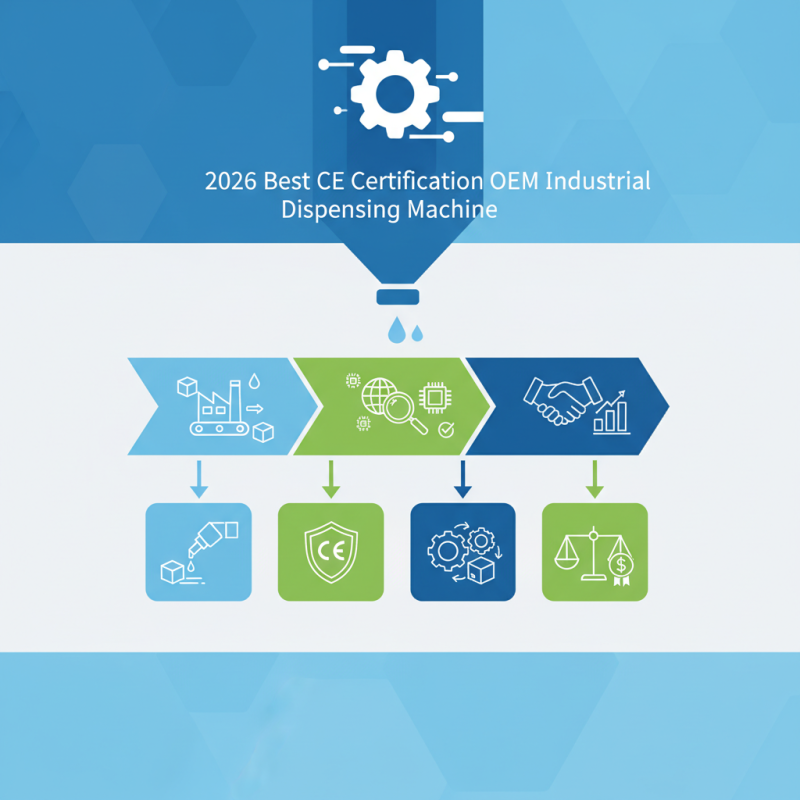
CE certification is essential for exporting industrial dispensing machines. This certification indicates compliance with European safety standards. It assures customers of product safety and reliability. In recent years, the demand for CE-certified equipment has surged. Reports indicate that around 30% of global industrial equipment is now required to meet CE standards. Companies especially in manufacturing should take this certification seriously.
Manufacturers of industrial machines, including those using components like the Industrial Solenoid Valve, must understand EU regulations. Non-compliance can lead to hefty fines and product recalls. It's crucial to conduct thorough audits and implement quality management systems. Neglecting this can result in serious reputational damage. A recent study revealed that 45% of companies faced inspection issues due to inadequate understanding of CE certification.
Investing in training for staff on CE compliance is vital. This fosters a culture of quality and safety in production processes. Moreover, staying updated with changing regulations is necessary for success. Many firms fail to adapt, risking their market presence. Understanding CE certification is not just a legal obligation; it's a pathway to greater trust and marketability for industrial dispensing machines.
Key Features of High-Quality OEM Industrial Dispensing Machines
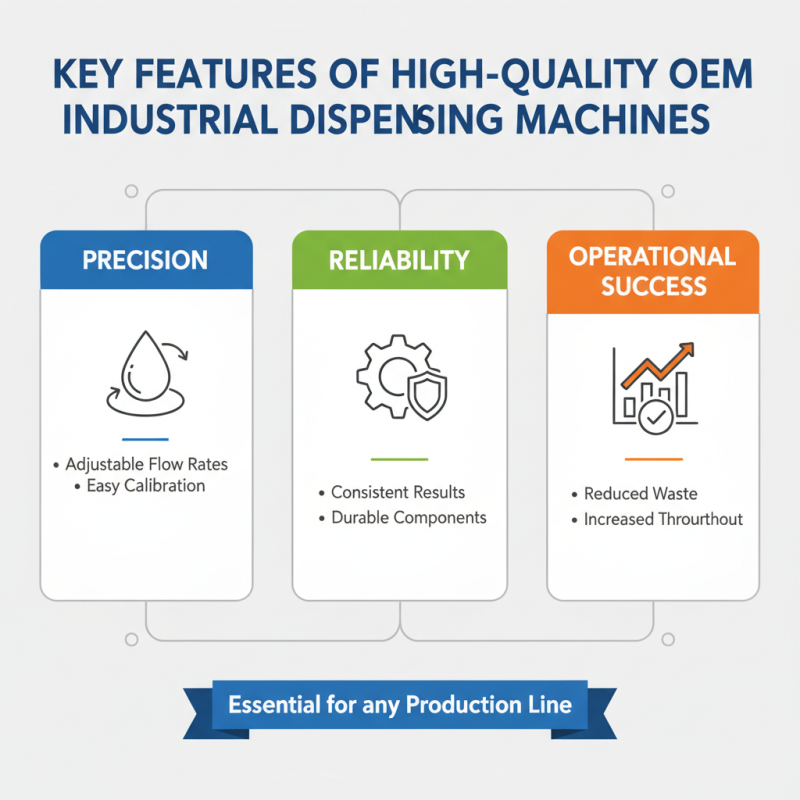
When considering OEM industrial dispensing machines, quality features play a pivotal role in achieving operational success. Advanced dispensing machines should prioritize precision and reliability. Features that enhance accuracy, such as adjustable flow rates and easy calibration options, are vital. A well-built dispensing machine ensures consistent results, which is essential for any production line.
The Dispensing Machine S-551 stands out due to its user-friendly interface. Operators can easily navigate through settings, allowing quick adjustments on the fly. Another notable aspect is its durability; these machines are designed to withstand heavy workloads. High-quality materials used in construction contribute to a longer lifespan. However, it is crucial to regularly inspect components to avoid unexpected breakdowns.
Integration capabilities also matter. Machines that easily connect with existing systems can streamline the entire operation. This allows for better data tracking and improved efficiency. Yet, some machines may have compatibility issues. Addressing these challenges ahead of time can save time and resources later. Investing in an OEM industrial dispensing machine means weighing these factors carefully and making an informed decision.
Top Exporting Countries for CE Certified Dispensing Machinery
CE certification plays a vital role in the global dispensing machinery market. According to recent industry reports, the demand for CE certified dispensing machines has surged, driven by their compliance with European safety standards. The top exporting countries for these products include Germany, Italy, and The Netherlands. These nations have established robust manufacturing capabilities and a strong emphasis on quality assurance.
Germany stands out as a leader in the field. Statistical data indicates that nearly 30% of all dispensing machinery exports originate from Germany. Italian manufacturers focus on innovation and design, securing a significant share of the market. The Netherlands is also emerging as a critical hub, particularly for eco-friendly dispensing solutions.
Tip: When selecting a dispensing machine supplier, assess their CE certification credentials. Look for manufacturers with a proven track record. Quality matters immensely.
Moreover, while many manufacturers excel, some still face challenges in meeting the evolving standards. Navigating compliance can be complicated. You may encounter manufacturers struggling with documentation or quality control. Always conduct due diligence before making investment decisions.
Tip: Engage directly with manufacturers to understand their certification processes. This information can reveal their commitment to quality. Stay proactive in your search for reliable partners.
Evaluating OEM Manufacturers: What to Look For
When evaluating OEM manufacturers for industrial dispensing machines, experience matters. Look for a manufacturer with a strong track record in the sector. Check their history and project success. This will give you insights into their reliability. A seasoned OEM is likely to understand the nuances of industrial standards and efficiency.
Pay attention to technical expertise. Each OEM should demonstrate proficiency in the latest dispensing technologies. Having in-house engineers can be a significant advantage. They can provide custom solutions tailored to your application needs. Ask about their innovation processes. This reveals how they adapt to changing market demands.
Communication is crucial. A responsive manufacturer fosters a good partnership. Evaluate their customer service and support systems. This will help avoid potential misunderstandings during the process. Lastly, gather feedback from current clients. Their experiences can reveal strengths and weaknesses in performance. This reflection can guide your choice effectively.
Market Trends in Industrial Dispensing Machine Exports for 2026
The industrial dispensing machine market is evolving rapidly. A recent report by Markets and Markets indicates that the global market for dispensing machines might reach $3.2 billion by 2026, growing at a compound annual growth rate (CAGR) of 5.6%. This growth reflects an expanding demand for precise material application in various sectors, including automotive and electronics.
Export trends predict significant shifts in 2026. Countries in Asia and North America are likely to dominate this market, with an increasing focus on automation and efficiency. The Dispensing Machine S-331, known for its precision and reliability, exemplifies innovations driving this market. Manufacturers are investing in technologies to enhance product performance while reducing waste. However, with this growth comes challenges like supply chain disruptions and fluctuating raw material costs.
Data reveals that nearly 40% of manufacturers in the dispensing sector are focusing on enhancing product features rather than cost reduction. This strategy could yield superior machines but may also risk alienating cost-sensitive customers. The balance between innovation and affordability is a delicate one, necessitating reflection on long-term sustainability.
Logistics and Compliance for Exports of Dispensing Machines
In the realm of exporting dispensing machines, logistics and compliance are critical. Ensuring adherence to regulations is complex but necessary. Countries have different standards. Understanding these can prevent costly delays.
Documentation is essential for smooth transactions. Exporters must prepare shipping documents meticulously. This includes bills of lading, packing lists, and certificates of conformity. Missing information can lead to customs delays. Expediting the process requires careful organization and attention to detail.
Also, compliance with CE certification is vital. This certification indicates that the machine meets European safety, health, and environmental protection standards. It builds trust with customers. However, not all machines easily meet these criteria. Continuous quality checks and improvements are necessary. It's beneficial to consult with experts to navigate these regulations effectively. Building a strong compliance framework can significantly enhance export success.
Tips for Selecting the Right Export Partner in the Industry
When considering a partnership with an exporter of industrial dispensing machines, various factors come into play. The global market for dispensing machines is projected to reach approximately $3.5 billion by 2026, reflecting a growing demand for efficient and reliable solutions. The right export partner must demonstrate expertise and experience, particularly in supplying advanced models like the Dispensing Machine Q-6800.
To choose wisely, evaluate their industry certifications and compliance with CE standards. Certifications assure that products meet safety and quality requirements. It’s essential that the partner has a solid track record of reliable deliveries. Reviewing customer testimonials and case studies can provide insights into their performance and dependability.
Additionally, consider communication and support. A responsive partner can significantly enhance your operational efficiency. If issues arise, swift resolution is vital. Ask potential partners about their quality assurance processes and how they handle product returns. Data indicates that about 25% of machine failures are due to poor handling during export. This highlights the importance of selecting an exporter who prioritizes quality at every step. Building a relationship based on trust and transparency will ensure lasting success in your business endeavors.
2026 Best CE Certification OEM Industrial Dispensing Machine Exporters Performance
FAQS
: Precision, reliability, adjustable flow rates, and easy calibration are vital features.
It allows operators to navigate settings easily and make quick adjustments.
Good integration with existing systems improves data tracking and operation efficiency.
The market may reach $3.2 billion, with growth driven by demand in automotive and electronics sectors.
Enhancing features can yield better machines but risks alienating cost-sensitive customers.
Consider their experience, certifications, delivery record, and quality assurance processes.
They provide insights into the exporter’s performance and dependability.
It’s crucial for enhancing operational efficiency, especially when issues arise.
Nearly 25% of failures are due to poor handling during the export process.
Trust and transparency are essential for ensuring lasting success in business.
Conclusion
The article serves as a comprehensive guide for exporters of CE-certified Industrial Dispensing Machines, emphasizing the importance of understanding CE certification and its implications for quality and safety standards. It highlights essential features that high-quality OEM machines should possess and identifies key exporting countries that excel in producing certified dispensing machinery.
Additionally, the guide provides insights into evaluating OEM manufacturers, outlining critical factors to consider when selecting a partner in the industry. Market trends for 2026 are discussed to help exporters anticipate future demands and opportunities. Finally, logistics and compliance considerations for exporting dispensing machines are addressed, along with tips for choosing the right export partner, ensuring success in this competitive market.