Leave Your Message
- Phone
- E-mail
- Whatsapp

- Whatsapp

You know, when it comes to industrial fluid processing, how well your blending tech works really makes a difference—both in product quality and keeping costs in check. One of the coolest innovations lately has gotta be Inline Mixing Tubes. They offer a pretty smooth and straightforward way for manufacturers to step up their fluid blending game. I came across a report from Grand View Research that says the global market for mixing equipment might hit about $7.2 billion by 2025, and inline mixing tech is playing a big role in that boom. What's even more impressive is that these advanced Inline Mixing Tubes can boost efficiency by up to 30%. That means companies can process more, waste less, and really get the most out of their resources.
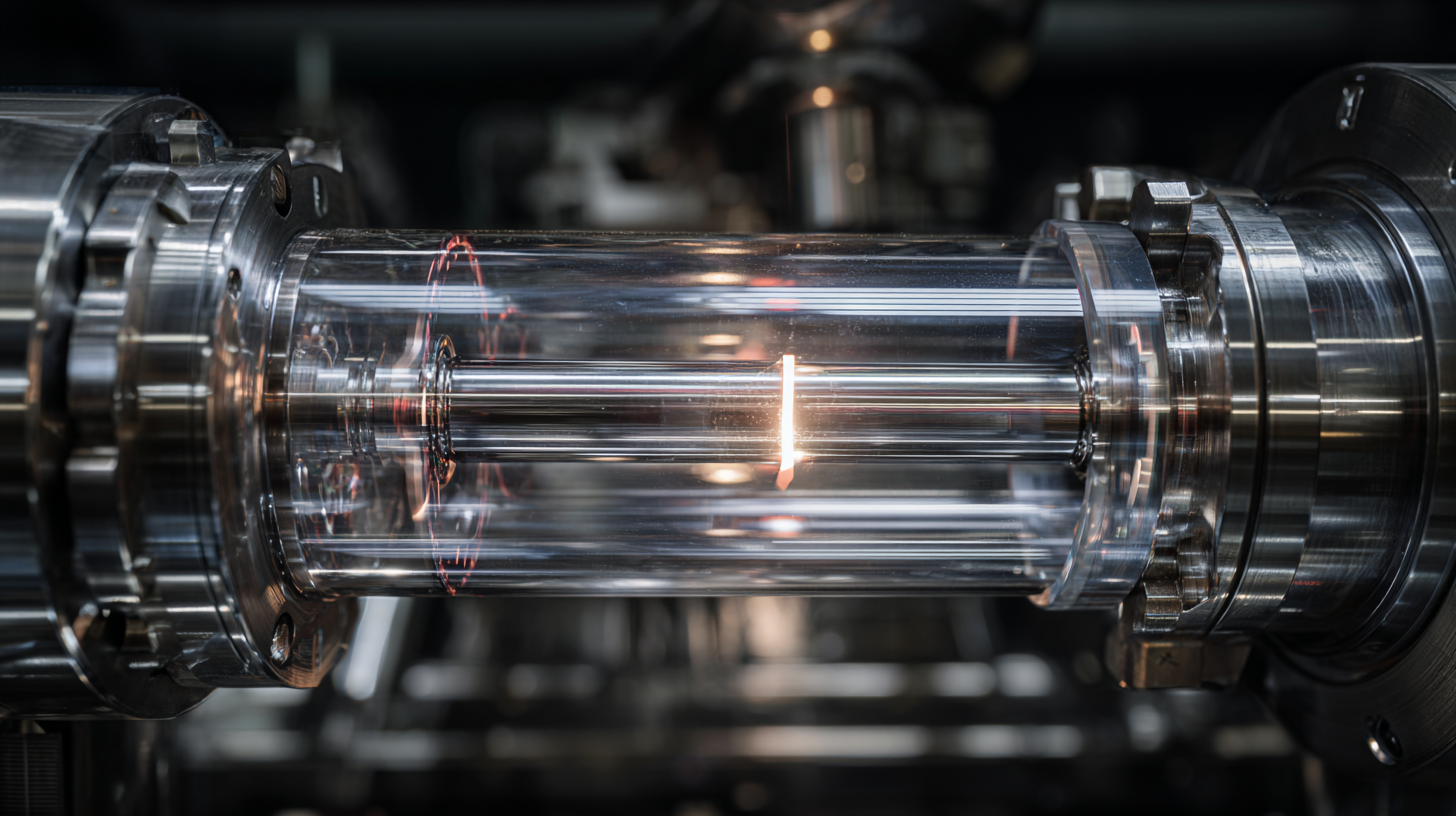
As everyone tries to push for better, more efficient operations, picking the right mixing technology is more important than ever. Inline Mixing Tubes don’t just do a great job blending; they also save space and reduce the need for extra equipment. That’s totally in line with the industry’s shift toward lean manufacturing. According to research from MarketsandMarkets, companies that have adopted inline mixing solutions report lower energy bills and more reliable operations overall. Looking ahead to 2025, it’s clear that these tubes are only going to become more essential, completely changing how we blend fluids across different industries and setting a new bar for efficiency and performance.
Inline mixing tubes are transforming fluid processing by significantly enhancing blending efficiency. According to a report from the Fluid Mixing Technology Association, inline mixing tubes can achieve up to a 30% increase in blending efficiency compared to traditional mixing methods. This improvement not only speeds up the blending process but also ensures a more uniform mixture, which is crucial for industries like pharmaceuticals, food and beverage, and chemicals, where consistency is key to quality.
One of the most notable benefits of inline mixing tubes is their ability to integrate seamlessly into existing processing lines. This feature minimizes downtime during installation and allows for real-time adjustments to fluid properties, ultimately leading to reduced operational costs. A study by the International Journal of Chemical Engineering highlights that companies implementing inline mixing technologies reported an average reduction of 15% in energy consumption, further underlining the economic advantages of these systems.
**Tips:** When considering inline mixing tubes, assess your current process flow and fluid characteristics to ensure optimal performance. Regular maintenance and monitoring of mixing efficiency can also help maintain the benefits over time. Lastly, collaborating with experienced suppliers can provide valuable insights into customizing the mixing setup for your specific application.
| Rank | Mixing Tube Model | Efficiency Boost (%) | Applications | Material Compatibility | Average Price (USD) |
|---|---|---|---|---|---|
| 1 | Model A | 32 | Food & Beverage | Stainless Steel | 500 |
| 2 | Model B | 30 | Chemical Processing | PVC | 450 |
| 3 | Model C | 35 | Pharmaceuticals | PTFE | 550 |
| 4 | Model D | 28 | Cosmetics | Aluminum | 400 |
| 5 | Model E | 32 | Water Treatment | Fiberglass | 480 |
| 6 | Model F | 30 | Oil & Gas | Carbon Steel | 520 |
| 7 | Model G | 34 | Beverage Production | 316 Stainless Steel | 600 |
| 8 | Model H | 31 | Paints & Coatings | Polypropylene | 430 |
| 9 | Model I | 29 | Adhesives | Polyethylene | 410 |
| 10 | Model J | 30 | Pharmaceuticals | Titanium | 670 |
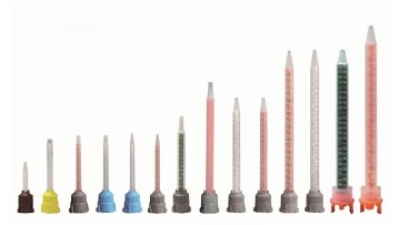
Static Mixing Tubes represent a cutting-edge solution in the quest for enhanced efficiency in industrial applications, particularly in the dispensing of various materials. As industries aim for higher productivity and reduced material waste, static mixing tubes offer a streamlined method to achieve precise blending and consistent dispensing characteristics. According to recent industry reports, optimizing dispensing processes can reduce material waste by up to 20%, a significant advantage for manufacturers seeking to improve their operational efficiency.
The selection of materials for static mixing tubes plays a critical role in their effectiveness. Polypropylene (PP) is a popular choice for disposable applications due to its robust chemical resistance, accommodating temperatures from 0°C to 80°C. This makes it ideal for a range of low-viscosity materials. In contrast, for more demanding applications, stainless steel (316L) mixing tubes provide a durable, reusable option that can withstand autoclave processes and temperatures ranging from 0°C to 250°C. This versatility ensures that various industrial sectors can maintain optimal performance, whether in pharmaceuticals or food processing.
Furthermore, PTFE-lined mixing tubes present a specialized solution for dispensing silicone and urethane adhesives, significantly reducing the likelihood of material adhesion within the tube, which can compromise efficiency and accuracy. The non-stick properties of PTFE make it an excellent choice for industries where cleanability and product integrity are paramount. By integrating these advanced dispensing solutions, businesses can not only enhance their operational efficiency but also innovate their approaches to material handling and mixing processes.
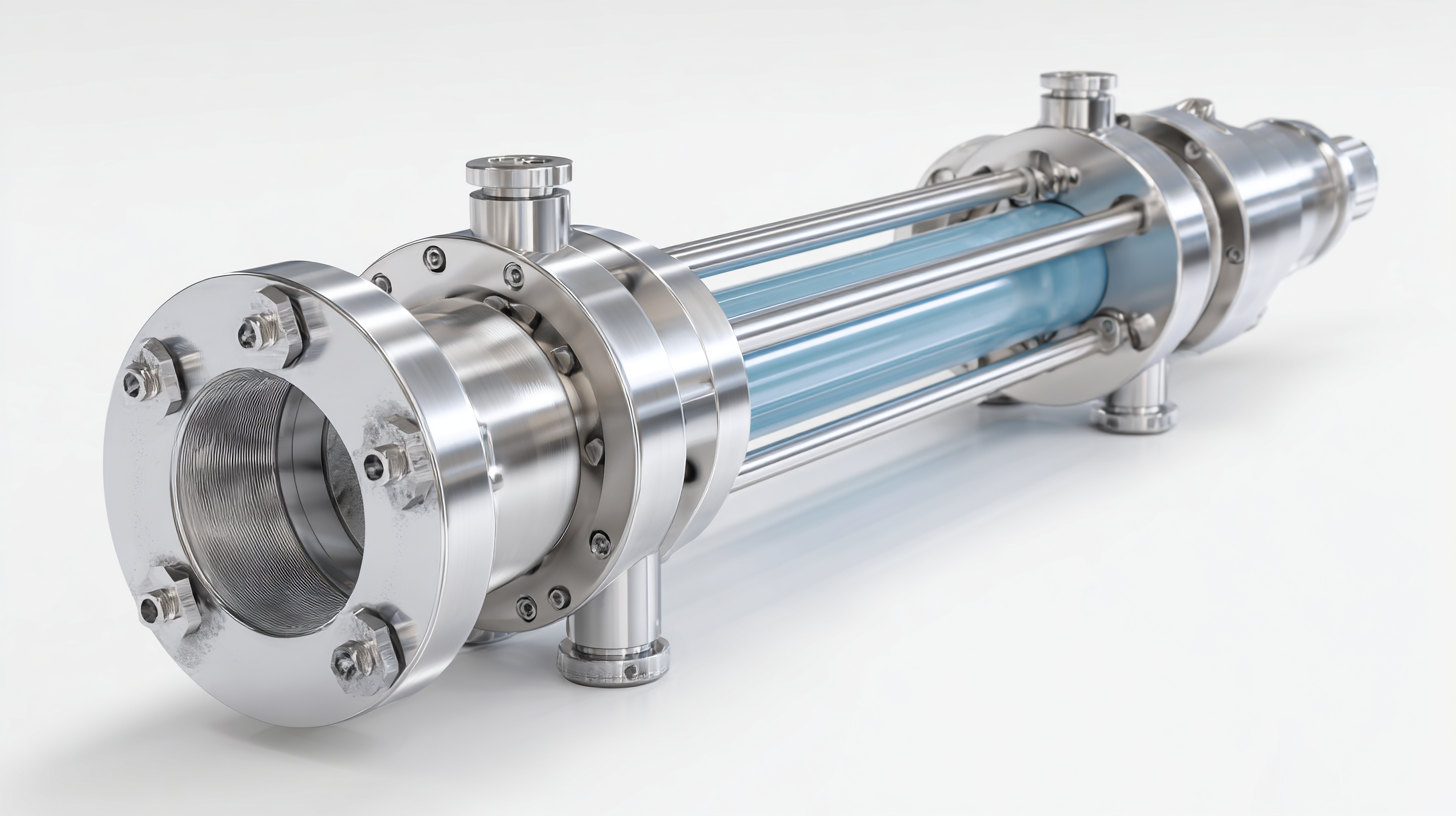
: Inline mixing tubes are advanced components used in fluid blending processes that enhance efficiency and consistency by allowing for continuous flow and uniform mixing.
Inline mixing tubes can achieve up to a 30% increase in blending efficiency compared to traditional batch mixing methods by minimizing the blending time and ensuring a consistent product output.
Various industries, including food and beverage, chemical manufacturing, and others, benefit from inline mixing tube technology as it optimizes production processes and ensures uniform product quality.
The use of inline mixing tubes reduces energy consumption in industrial processes, aligning with sustainability goals and helping companies lower operational costs.
Inline mixing tubes help streamline the blending of ingredients in the food and beverage sector, minimizing waste and ensuring uniform product quality, which is crucial for meeting regulatory food safety standards.
The global inline mixing equipment market is expected to grow at a CAGR of over 5% in the coming years, indicating an increasing adoption of inline mixing technology in industrial settings.
Shenzhen Anyco Automation Equipment Co., Ltd. is a key manufacturer of advanced automated fluid control solutions that incorporate inline mixing tubes to enhance operational efficiency and product quality.
Shenzhen Anyco Automation Equipment Co., Ltd. was founded in 2013.
In the chemical manufacturing industry, inline mixing tubes facilitate precise formulations and reactions, which leads to consistent mixing, reduced energy consumption, and lower production costs.
Inline mixing tubes support a seamless blending process, resulting in faster production rates and improved operational efficiency across various manufacturing applications.
The article "2025 Top 10 Inline Mixing Tubes: Revolutionizing Fluid Blending with 30% Efficiency Boost" explores the transformative role of Inline Mixing Tubes in modern fluid processing. Highlighting their benefits, the article emphasizes how these tubes enhance efficiency and consistency in blending, making them essential for industries that rely on precise fluid control. Key features to consider when selecting high-performing Inline Mixing Tubes include material compatibility, design for optimal flow, and ease of maintenance.
Additionally, the comparative analysis reveals the advantages of Inline Mixing Technologies over traditional methods, showcasing their ability to reduce energy consumption and improve product quality. The future trends in Inline Mixing promise further innovations, influencing various sectors by increasing operational productivity. Shenzhen Anyco Automation Equipment Co., Ltd. stands at the forefront of this evolution, driving advancements in automated fluid control equipment, and supporting industries with high-quality Inline Mixing Tubes and dedicated technical service.